


Healthy pregnancy fasting is a big topic that many women talk about as soon as the holy month starts because everyone wants to do their best for their faith while also keeping their baby safe. It is a very personal choice and every woman has a different body and a different pregnancy story so what works for your sister might not work for you. This healthy pregnancy in Ramadan guide is meant to help you understand what the doctors say about who can skip the food and water for a few hours and who should really take a break. In general if you are feeling strong and your doctor says the baby is growing well you might be able to fast but you have to be very careful and listen to your body every single minute of the day.
Read Also: Ramadan stress relief: How to Avoid Stress While Fasting
Talking to Your Doctor About Healthy Pregnancy Fasting
Before you decide to start your first day of the month you must have a real talk with your OBGYN because they know your medical history better than anyone else. A healthy pregnancy in Ramadan plan usually starts with checking your blood sugar levels and making sure you are not suffering from anemia or high blood pressure. If you have any health issues like gestational diabetes the doctors will almost always tell you not to fast because it can be dangerous for the baby’s development. For a healthy pregnancy in Ramadan experience you need to have a green light from a professional who can tell you if your iron levels are high enough to handle the long hours without a meal.
Read Also: Healthy iftar guide: smarter eating from dates to starches
Who Should Avoid Fasting This Year
Not every woman is in the right place for healthy pregnancy fasting and that is perfectly okay in our religion because there are exceptions for a reason. If you are in your first trimester and you are dealing with a lot of morning sickness and throwing up then you should probably not fast because you will get dehydrated very quickly. Also if you are in the very last weeks of your pregnancy and the baby is getting big you need a constant flow of calories to keep your energy up. Choosing a healthy pregnancy fasting path means knowing when to say that your health is the priority so you don’t end up feeling faint or dizzy while you are home alone.
What to Eat at Iftar and Suhoor
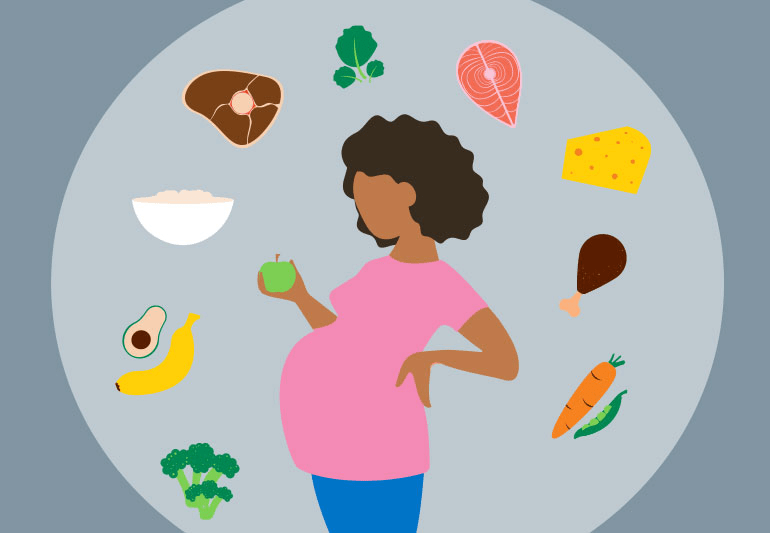
If you do get the okay from your doctor then what you put on your plate during the night is the most important part of healthy pregnancy fasting for you. You should stay away from too many fried foods or very salty things because they will make you feel incredibly thirsty the next day. A good healthy pregnancy in Ramadan meal should have lots of slow-burning carbs like brown rice or oats and plenty of protein like chicken or beans to help the baby grow. Also you need to drink as much water as possible between sunset and sunrise to make sure your amniotic fluid stays at the right level for the little one.
Signs That You Need to Break Your Fast
Even if you started the day feeling great you have to be ready to stop if things change because healthy pregnancy fasting means being flexible. If you notice that the baby is not moving as much as usual or if you start to feel very strong cramps you should have a glass of water or some juice right away. Other warning signs include having a very dark color of urine or feeling a bad headache that won’t go away. No one will be upset with you for breaking your fast if it protects the life inside you because that is the most important thing at the end of the day.
How to Manage Your Energy During the Day
To make healthy pregnancy fasting easier you should try to change your daily routine so you are not rushing around in the heat. Try to take a nap in the afternoon when the sun is at its strongest and avoid doing heavy housework or long walks until after you have had your Iftar. If you work in an office see if you can start a bit later or work from home so you can rest when you feel tired. Stress is not good for the baby so keeping a calm and quiet environment is a big part of making your healthy pregnancy fasting goals a reality without hurting your mental health.
The Importance of Post-Ramadan Checkups
Once the month is over you should go back to the clinic to make sure everything is still on track after your healthy pregnancy fasting journey. The doctor will check the baby’s weight and your own health to see if you need any extra vitamins or rest to recover. Many women feel a bit tired after the month is done so it is important to eat very well and keep up with your prenatal vitamins. Remember that your body has done a lot of hard work by growing a human while you were fasting so give yourself some grace and plenty of time to get back to your normal strength.
Final Thoughts for Expecting Mothers
In the end the choice is yours but it should always be a choice made with knowledge and care. Healthy pregnancy fasting is possible for many women but it is not a competition and there is no shame in eating if you need to.
Read Also: Best calcium timing: when should you take your pills?
Our faith is meant to be a ease and not a hardship so trust your instincts and do what is best for you and your future child. Whether you fast the whole month or just a few days may you have a very peaceful and blessed time with your family.