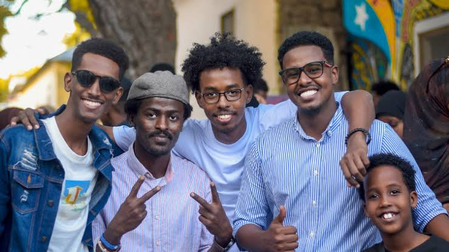


Somali diaspora culture is a very big topic for every family that has moved away from home to live in places like the uk or the us or scandinavia because it is a constant fight between holding on to the old ways and learning new ones. when people leave their land they carry their language and their religion and their food in their hearts but as the years go by and the children grow up in a different world everything starts to shift a little bit.
because diaspora culture is so strong it often stays alive through the weddings and the community meetings where the smell of frankincense and the sound of the somali language are always present. but we have to ask ourselves if the way we live in london or minneapolis is the same as how people live in mogadishu or if we are creating something totally new that combines both worlds together.
Read Also: The somali social customs and their deep meaning
How the somali diaspora culture survives in new lands
One of the first things you notice about the diaspora culture is that it is built on the idea of helping each other and staying connected through the clan and the family networks. if a new person arrives in a city they will always find a somali house where they can get a meal and a place to sleep because that is a rule that does not change no matter where we are in the world. these diaspora culture habits are what keep the community from getting lost in the big crowds of the western cities where people often don’t even know their own neighbors.
we also see that the young people are very proud of their roots and they use social media to share the diaspora culture with the rest of the world by wearing traditional clothes and talking about their history. even if they speak english with their friends they still eat anjero for breakfast and listen to the stories of their grandparents about the life in the desert.

Read Also: Somali Photography Reality: Changing How We See Life
However we also see that the somali diaspora culture is changing because the environment around us is so different from the one back home. for example the way people work and the way they spend their free time has to adapt to the cold weather and the busy schedules of the western life.
this means that some parts of the somali diaspora culture like the long afternoon meetings under a tree are replaced by quick phone calls or messages on whatsapp because nobody has the time to sit for hours anymore. we also see that the language is changing among the youth who might mix somali words with english words which creates a new kind of dialect that belongs only to the people living abroad.
this is a natural part of any somali diaspora culture journey but it can sometimes make the older generation feel a bit worried that the true essence of the culture is being lost.
the struggle to protect somali diaspora culture for the kids
The biggest challenge for the somali diaspora culture is making sure that the third and fourth generations still feel a deep connection to their homeland even if they have never visited it. many parents spend a lot of time teaching their kids about the values of respect and faith that are at the center of the somali diaspora culture since they were born.
they open schools on the weekends to teach the alphabet and the history of the nation so that the somali diaspora culture does not just become a memory of the past. it is a hard job because the kids are surrounded by a very different culture at their regular schools and on the television every day. but we see that when these kids grow up they often look back at the somali diaspora culture as a source of strength that helps them understand who they really are in a very confusing world.
At the end of the day the somali diaspora culture is like a tree that has been planted in a new kind of soil where the sun and the rain are different but the roots are still the same. it might grow in a different shape than the trees back home but it is still a somali tree and it still produces the same kind of fruit. the somali diaspora culture is not something that is frozen in time but it is a living and breathing thing that changes to survive while keeping its heart alive.
we should not be afraid of the changes but we should celebrate how our people have managed to stay united and proud across thousands of miles. the somali diaspora culture is a beautiful example of how humans can adapt without losing their soul and their identity. let us keep sharing our tea and our stories and our music because that is how we make sure that the light of our culture never goes out.
Read Also: Somali blood bond: family is everything in our culture
Whether we are in hargeisa or toronto the somali diaspora culture is what makes us who we are and it is a gift that we must protect for all the generations that are still to come. turn to your brothers and sisters and remember that we are all part of the same big story that is being written in every corner of the globe today. the future of our culture is in our hands and it looks very bright and full of hope.