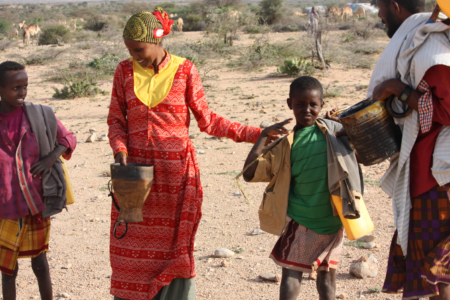



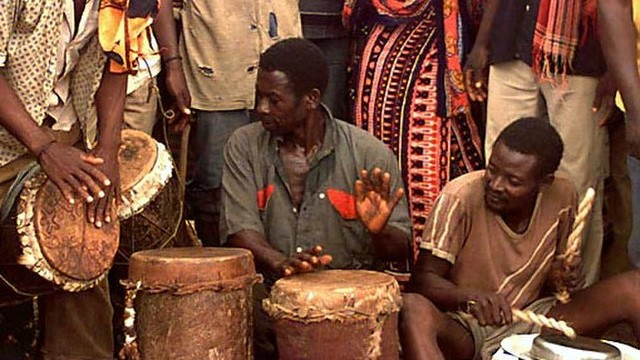
Somali music shifts are happening all around us as young artists find new ways to express their feelings and stories through digital beats and global sounds. For a long time the music of the people was based on deep poetry and traditional instruments like the shareero but the world is changing fast now.
Today when you walk through a market or sit in a cafe you are more likely to hear electronic sounds mixed with local lyrics than the old acoustic songs of the past. This change is exciting for many people because it feels fresh and modern but it also makes others worry that the deep roots of the culture might get lost in the noise of the new world.
Read Also: Why is Somali Oral Tradition so Important ?
The way Somali music shifts influence the younger generation
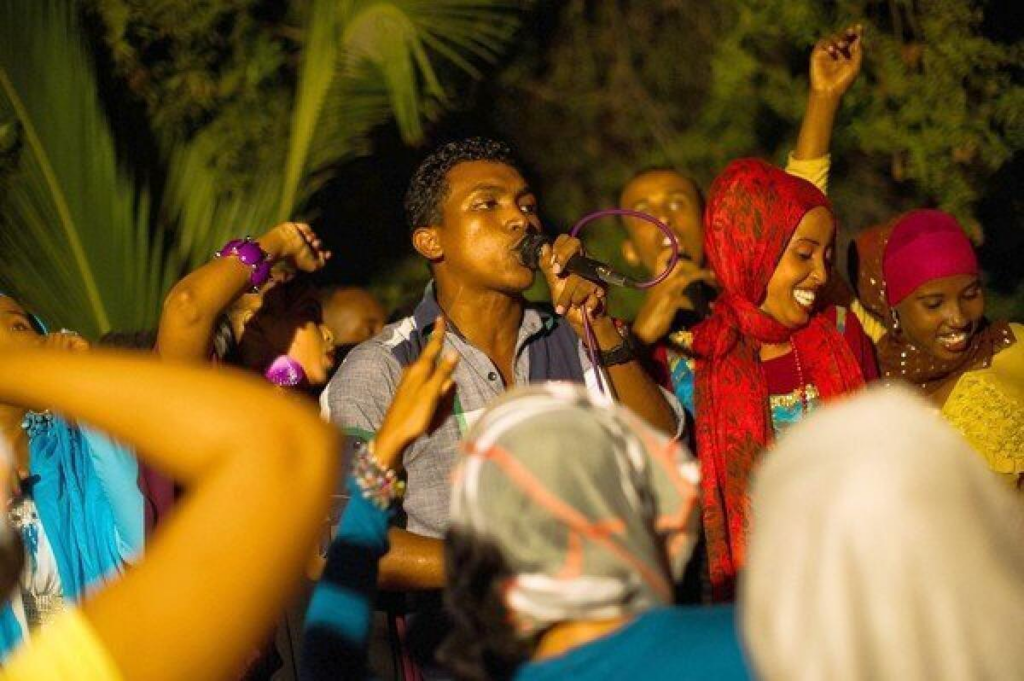
The young people in the cities are the ones driving these changes because they want to connect with the rest of the world. They listen to hip hop and pop from other countries and then they try to mix those styles with their own language. This creates a unique sound that is part of the broader Somali music shifts we see on social media every day.
It is a way for the youth to show that they are part of a global community while still being proud of where they come from. You can see this in how they dress and how they dance in their music videos which look very different from the old black and white recordings of the famous bands from the seventies.
However this movement is not just about fun and dancing because it also changes how stories are told. In the old days music was a way to share history and advice through long poems that took years to learn. Now the songs are shorter and focus more on catchy hooks and fast rhythms. This part of the Somali music shifts means that some of the complex language of the ancestors is being replaced by simpler words that are easier to fit into a three minute radio hit. While this makes the music more popular with kids it might mean that the deep meanings of the old poetry are not being passed down as they used to be.
Balancing the old ways with new creative sounds
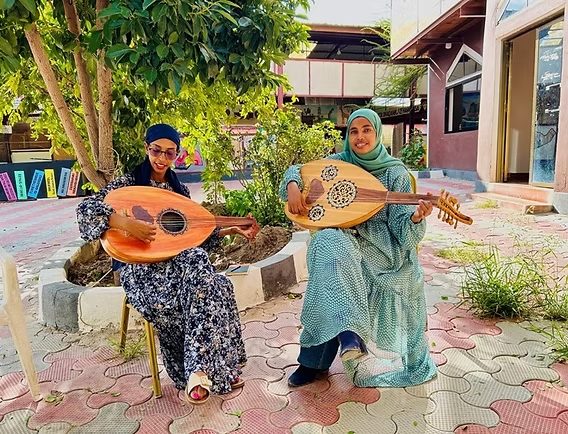
Even with all these new styles there is still a big effort to keep the heritage alive within the current Somali music shifts. Some clever musicians are taking old melodies and putting them over modern beats so that the grandparents and the grandchildren can both enjoy the same song. This middle ground is where the most interesting art is happening right now. It shows that Somali music shifts do not have to mean throwing away the past but rather evolving it into something that can survive in the digital age. By using modern studio tools to polish old folk songs these artists are making sure that the classic sounds do not simply disappear into history.
Another thing to think about is how technology has made it easier for anyone to be a singer. In the past you needed a whole band and a big studio but now you just need a laptop and a microphone. This accessibility is a major factor in the Somali music shifts because it allows voices from small villages to be heard just as loudly as the stars in the capital.
It democratizes the art form and allows for a lot of diversity in the sounds we hear. On the other hand since there is so much music being made it can be hard to find the high quality songs that will actually last for many years like the classics did.
Looking ahead at the future of the local sound
As we look toward the future it is clear that these Somali music shifts will continue to transform the cultural landscape of the country. The influence of the diaspora living in Europe and America is also bringing in new ideas and high production values that push the local scene to be better. This constant exchange of ideas is healthy and keeps the culture from becoming stagnant or boring. We should embrace the fact that art is always moving and changing because that is a sign of a living and breathing society.
Read Also: How Do Somali Wedding Traditions Bring Families Together?
In the end the goal should be to respect the masters of the past while giving space for the innovators of today to do their thing. The current Somali music shifts are a reflection of a nation that is rebuilding and finding its voice in a new century. As long as the heart of the music remains honest and connected to the people it will always be powerful regardless of what instruments are being used.
Read Also: Traditional Somali markets and five things to know?
We must keep listening and supporting the artists who try to bridge the gap between the ancient sands and the modern streets. This is how the spirit of the nation stays strong through every note and every beat that is played for the world to hear.
These Somali music shifts are just the beginning of a new chapter for a very musical people. Regardless of the style the soul of the music remains the same and that is what truly matters for everyone involved. Through these Somali music shifts we can see the resilience of a culture that refuses to be forgotten.