


Somali Oral Tradition is the backbone of how people in this part of Africa share their history and values with each other. For hundreds of years the Somali people did not use a written alphabet for their daily lives so they had to rely on their memories and their voices to keep their identity alive. This was not just about telling stories for fun but it was a way to keep the laws the family trees and the religious teachings safe from being forgotten. When you look at how they live you see that Somali Oral Tradition is what connects a young person in the city today to their ancestors who moved through the desert a long time ago.
Read Also: Somali Cultural Changes Shaping Today’s Society
The Power of Poetry in Somali Oral Tradition
In many cultures writing is the main way to prove something is true but in Somalia the spoken word carries more weight than a piece of paper. Poetry is the highest form of art here and it is used to solve big problems between tribes or to celebrate a wedding. A poet is not just an artist but he is a leader and a historian who uses Somali Oral Tradition to influence how people think and act. If a poet creates a beautiful piece of work it can travel across the whole country just by people repeating it to one another and this shows how strong Somali Oral Tradition really is in everyday life.
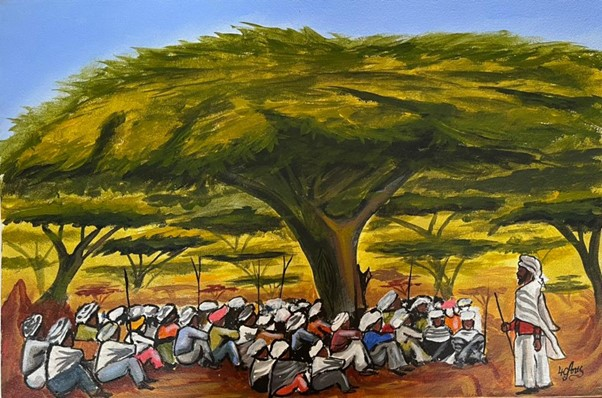
Because the environment was often harsh and people moved around with their animals they could not carry heavy books with them. This is why Somali Oral Tradition became the perfect tool for a nomadic lifestyle since you only need your mind to store your library. Even when the country started using a formal written script in the early 1970s the love for the spoken word did not go away at all. You can still hear elders sitting together and reciting long poems that they learned decades ago which proves that Somali Oral Tradition is very hard to erase.
Read Also: Somali Diaspora Culture Thrives Across Oceans
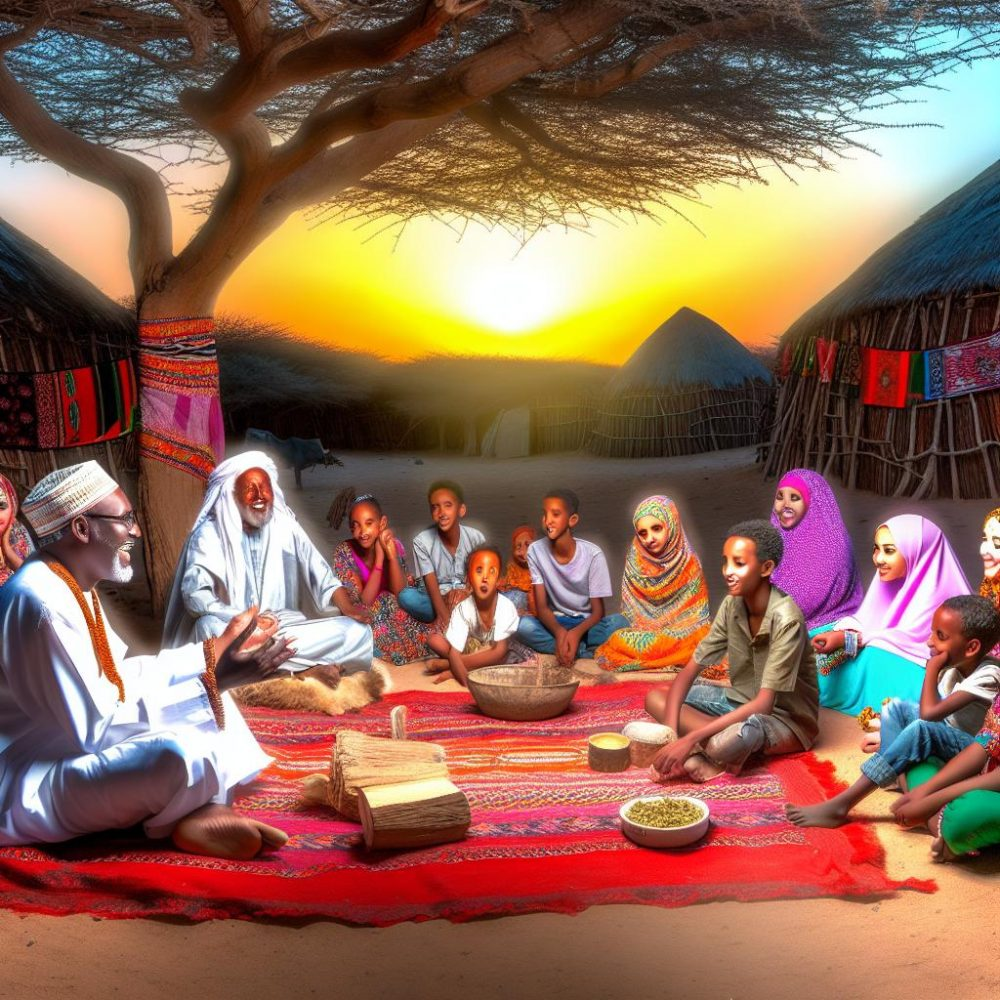
The way stories are told also helps children learn how to behave and what it means to be part of the community. Grandparents use Oral Tradition to teach lessons through animal fables and legends of heroes from the past. This creates a very strong bond between the different generations because the knowledge is passed down directly from one person to another. Without Oral Tradition many of the unique customs and the deep wisdom of the Somali people might have vanished when modern changes started happening.
Read Also: Somali food culture and its journey through time
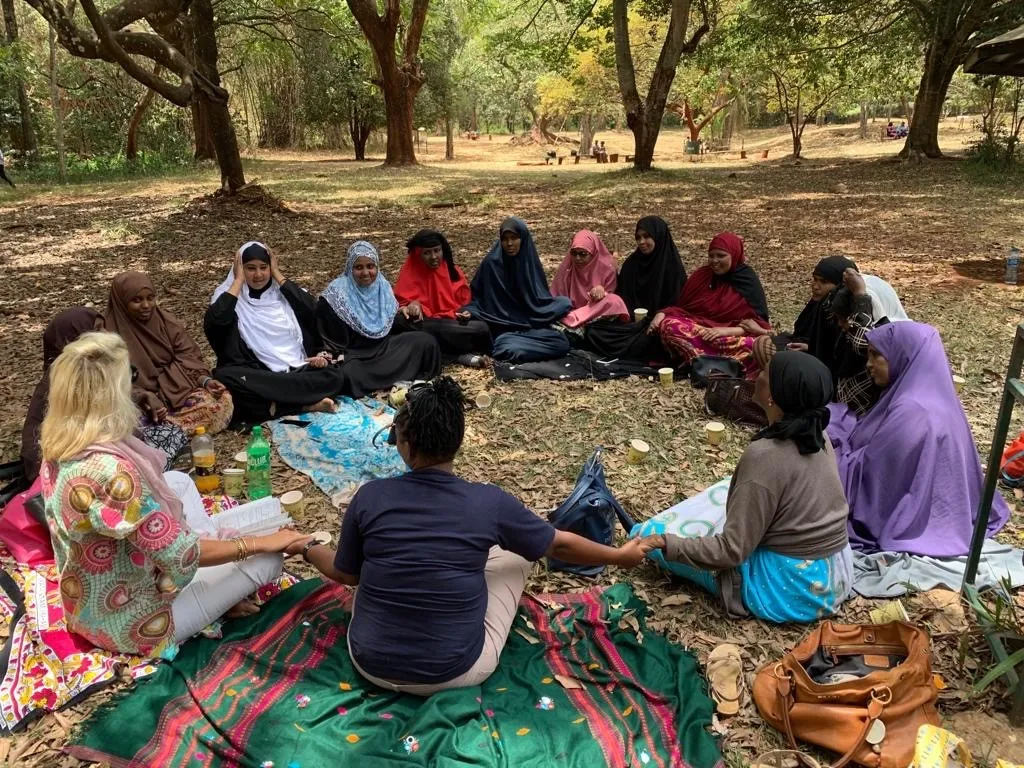
Even in the modern world with the internet and social media the spirit of Oral Tradition is still very much alive in digital spaces. People use voice notes and videos to share poems and news which is just a new way of doing what their ancestors did for centuries. It is clear that Oral Tradition will continue to be the heart of the nation because it is flexible and stays relevant no matter how much time passes. In the end the voice of the people is their greatest treasure and their most reliable record of who they are.