
Global school aid projects are the main reason why thousands of young kids in East Africa can still learn how to read and write despite all the wars and droughts around them. When a country goes through hard times for many decades its local schools are often the first things to fall apart or close down because there is no money for teachers. This is where school aid steps in to build temporary classrooms and buy notebooks for students who have nothing left in their hands.
Big groups from the United Nations come to these broken villages to make sure that the children do not become a lost generation without any future. Without this consistent school aid coming from outside borders the number of children who never step inside a classroom would be much higher than it is today.
Read Also: Why is the Somali school dropout rate still so high today?
How groups like UNICEF and UNESCO manage global school aid programs
The big organizations work together to divide the hard work so that the global school aid money is spent on the things that the kids need the most. For example UNICEF focuses on the physical things like giving out backpacks water bottles and training local women to become primary school teachers in their own neighborhoods. At the same time UNESCO uses its part of the school aid budget to help the government write new textbooks and design a school system that fits the culture of the people.
They also try to protect historical sites and use them as places where young people can learn about their own identity and past. This teamwork ensures that the global school aid is not just a short term fix but a long plan to help the nation stand on its own two feet after the crisis ends.
Helping displaced children through humanitarian school projects
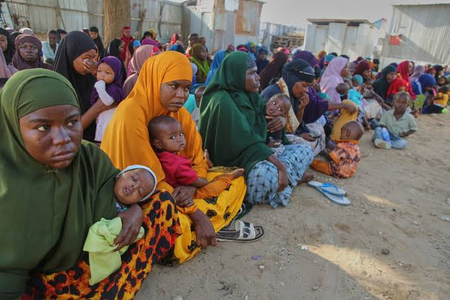
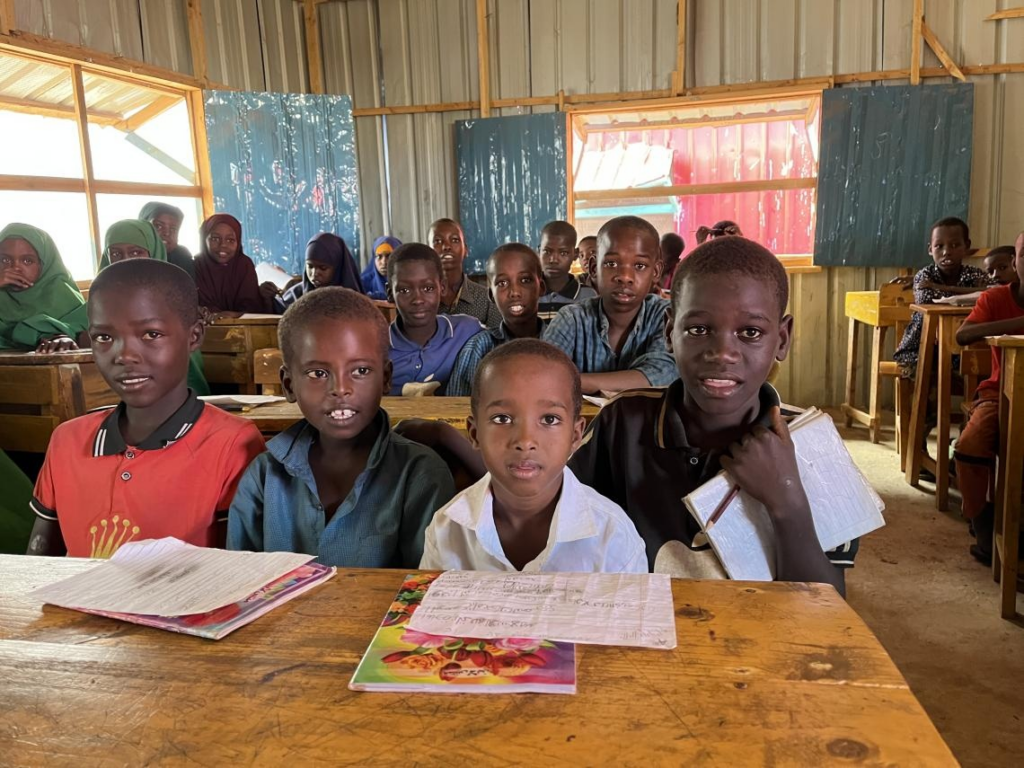
A very large part of the global school aid goes directly to the massive camps where families live after fleeing from violence or dry lands where nothing grows. For these uprooted families the global school aid provides mobile schools which are basically big tents with blackboards that can be moved from one place to another very quickly.
These tent schools are a blessing because they give the displaced children a safe place to play and learn during the day while their parents look for food and work. The workers who manage these global school aid tents also give the students a hot meal every morning which is often the only real food the child will eat that day. It shows that education is not just about books but it is also about keeping the kids safe and healthy during a terrible humanitarian disaster.
The challenges of safety and reaching the deep villages
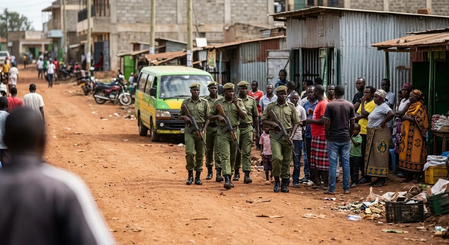
It is not easy to deliver this global school aid to the deep parts of the country because some roads are blocked by armed militias who do not want modern schools to exist. The aid workers often risk their own lives to deliver boxes of pencils and paper to remote schools that have been forgotten by the rest of the world.
Sometimes the global school aid cannot reach a village for many months because of heavy rains that turn the dirt roads into deep mud tracks that trucks cannot pass. But the international teams keep trying because they know that every single child who learns how to count is a step away from poverty and war. They are also trying to use radio lessons now so that kids can listen to their teachers even if the physical road to the classroom is blocked by fighting.
Read Also: Somalia education crisis and how it affects kids?
Building a sustainable future for the next generation
In the end the goal of all this work is to make sure the local communities can eventually run their own schools without needing global school aid forever. The international groups are slowly handing over the keys of the new buildings to the local elders and parents who are being trained to manage the budgets. This transition is the most important part of the global school aid strategy because true independence means a country can educate its own youth with its own money. Until that day arrives the help from the global community remains a vital lifeline for millions of young boys and girls who just want a chance to study.
Read Also: How Somali Student Internet Use Affects School Grades
As we look at the situation today it is clear that the road ahead is still very long and full of big rocks for the education system. The global school aid programs have saved countless minds from darkness but they need more support from rich nations to finish the job properly. We should all appreciate the teachers who go to work in those hot tents every morning to give the children a reason to smile and hope for a better tomorrow.
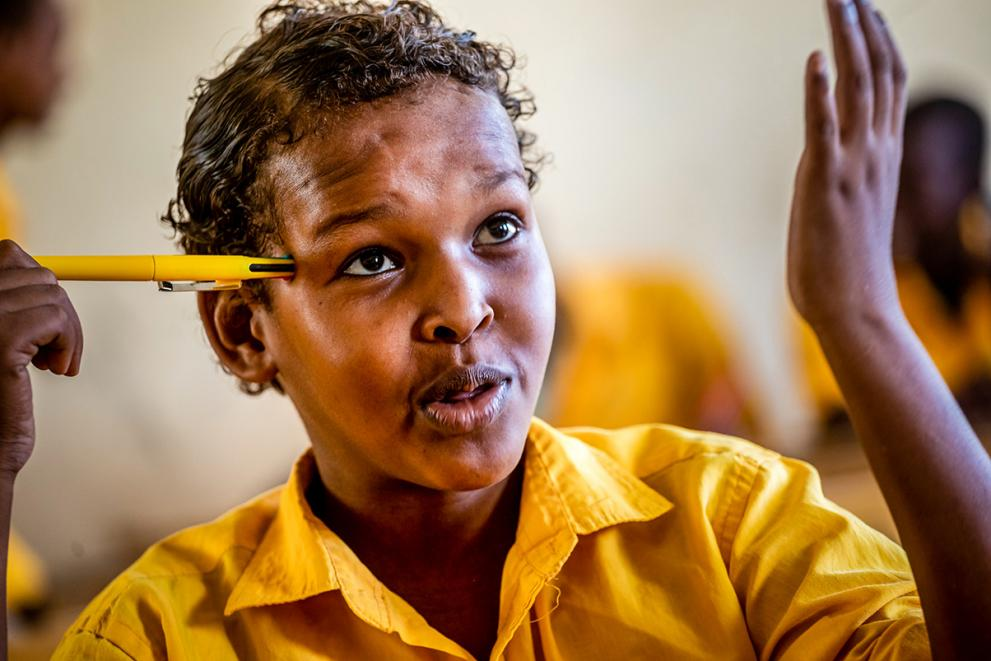
If we keep supporting these beautiful projects we will see a much brighter and more peaceful country in the years to come. Education is the ultimate weapon against war and poverty and keeping the schools open is the best way to win the battle for the future of the children.