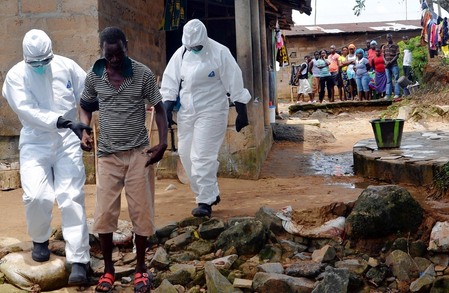

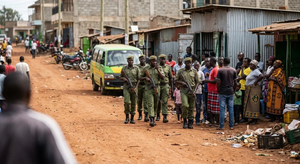

Public health focus areas are very different from the usual medical care we get when we visit a hospital because they look at the whole community instead of just one sick person at a time. When you think about medicine you usually imagine a doctor in a white coat giving you a pill or checking your heartbeat with a stethoscope. But a public health role is about preventing people from getting sick in the first place by cleaning the water or making sure everyone gets their vaccines before winter starts.
This split in how we protect people is very important because it shows that curing a disease is only half the battle when it comes to keeping a nation healthy and strong. If we only focus on fixing bodies after they break we will spend all our money on expensive surgeries instead of stopping the problems early. Understanding how a public health role works can help us see why some neighborhoods are much healthier than others even if they use the same hospitals.
Read Also: Why is the fast food habit so dangerous for your body?
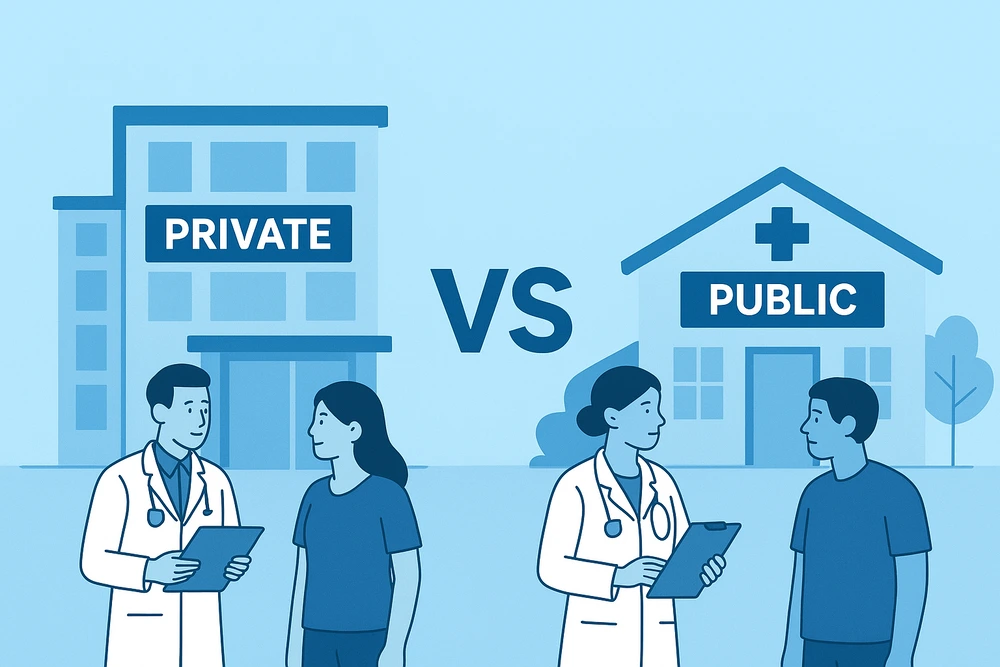
The different goals of a public health focus and clinical care
The main difference comes down to who the patient is because for a doctor the patient is the human sitting in the chair while for a public health role the patient is the whole town or city. If a hundred people come to a clinic with a stomach ache a regular doctor will treat each person one by one with medicine to stop the pain. However a team with a public health focus will go out into the town to check the local water pipes and the restaurants to see where the bad bacteria is coming from.
This means that a public health focus saves thousands of lives at once without the people even knowing that they were in danger of getting sick. It is a quiet kind of work that involves a lot of math and tracking data to see where diseases are spreading across the map. Doctors fix the damage after it happens but the people working on the public health focus are trying to build a shield around the community so the damage never happens.
How the money and resources are spent on both sides
Another big point to look at is how governments choose to spend their budgets on these two different paths of healthcare. Usually a lot of cash goes directly into big hospitals and high tech machines because people want to see fast results when they are hurting. But investing in a public health focus is actually much cheaper in the long run because simple things like building parks or teaching kids to wash their hands saves billions of dollars later.
If a country ignores its public health focus then the hospitals will become too crowded and the doctors will get exhausted from trying to treat too many patients every single day. We need a good balance where both sides get enough support so that the system doesn’t collapse under the weight of too many chronic illnesses. It is not about choosing one over the other but making sure they work together like a team to protect everyone from the youngest baby to the oldest grandparent.
Read Also: Why is the impact of soda so bad for your body?
The training and tools used by the professionals
The people who work in these fields also go to different kinds of schools and learn different skills to do their daily jobs. A hospital doctor spends years learning about anatomy and how to do complex operations with their hands inside a clean surgery room.
On the other side an expert in public health focus studies things like statistics and environment laws and how to talk to the public through the media. They use big campaigns on television or social media to warn people about the dangers of smoking or how to eat better food to avoid diabetes. This is why a public health focus requires a lot of patience because you might not see the results of your hard work for ten or twenty years down the road.
In the end both parts of the healthcare world are essential if we want to live long and happy lives without constantly worrying about disease. The public health focus keeps the world safe from big outbreaks and cleans up our environment so we can breathe fresh air and drink safe water every day.
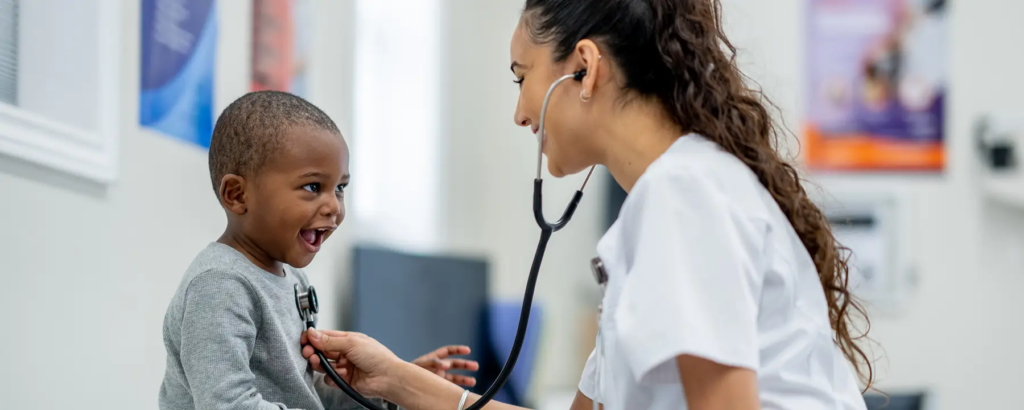
Meanwhile the clinical side is always there to catch us with expert care and kindness when an accident happens or when a sickness manages to get through the shield. We should appreciate both the doctors in the clinics and the invisible workers who manage the public health focus behind the scenes. By understanding their different roles we can make better choices for our own families and support policies that keep our whole society healthy for generations to come.