
Somali city names tell a beautiful story about the ancient trade routes and different cultures that shaped the region over hundreds of years. When you look closely at the words used for these towns you find clues about the geography language and old tribal structures of the area. For a long time travelers from Arabia Persia and Europe visited these coastal places to trade silk spices and gold. Understanding the true meaning of somali city names helps us see how these urban areas grew from tiny fishing villages into massive historical hubs. This deep connection to the land is why local people take so much pride in their hometowns and their historical roots.
Read Also: Eid Al Adha Festivities: Hope and Unity in Somalia
The Capital City and Its Coastal Neighbors
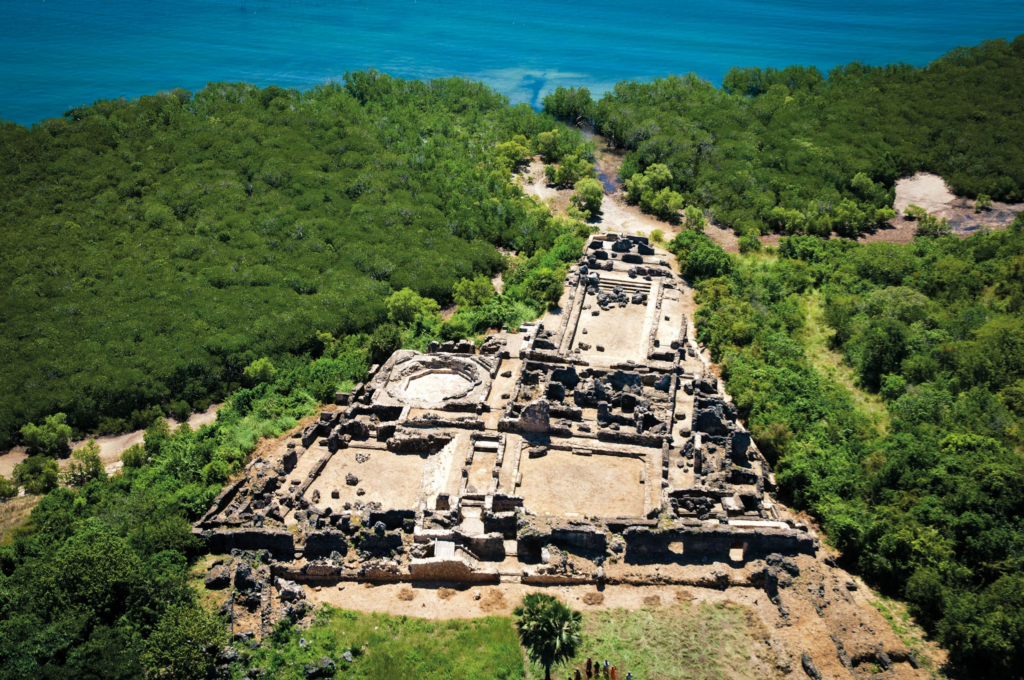
The most famous urban areas along the beautiful coast have names that are deeply connected to the sea and ancient maritime trading networks.
- Mogadishu: This name comes from the Persian word Maq’ad Shah which basically means the seat of the king showing its old royal history.
- Merca: A historic port city whose name is tied to ancient commercial records and local fishing communities along the Indian Ocean.
- Kismayo: This name translates to the source of the high tide reflecting the natural water movements and harbor structure of the area.
When traders arrived at these ports they interacted with the local populations and left behind words that eventually turned into permanent somali city names that people still use every single day.
Exploring Inland Towns and Somali City Names
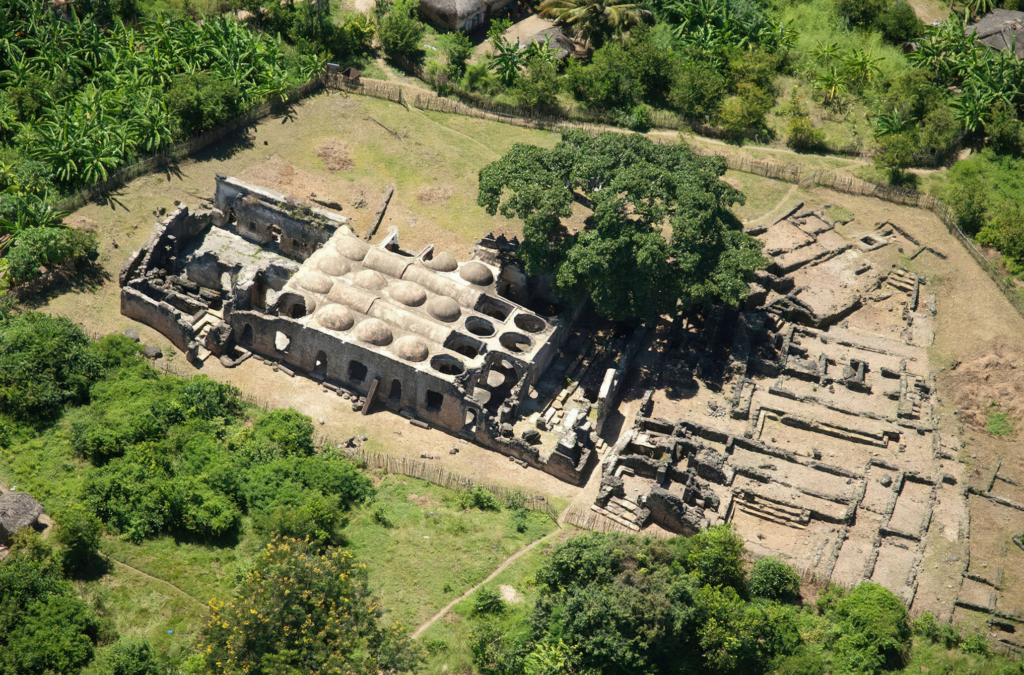
The names of towns built further away from the ocean usually describe the natural environment water sources or trees found in those specific spots. For instance Hargeisa means little hiding place or grassland and it was known as a great place for nomadic herders to find grass and shelter for their animals during the dry seasons.
Garowe is named after a specific valley and serves as a center for local administration while Bosaso is connected to old trading names and acts as a main gateway for commercial ships. By studying inland somali city names historians can map out exactly where people used to travel to find fresh water wells and safe pastures. These names serve as a living geography book for the younger generations.
For instance Hargeisa was known as a great place for nomadic herders to find grass and shelter for their animals during the dry seasons. By studying inland somali city names historians can map out exactly where people used to travel to find fresh water wells and safe pastures. These names serve as a living geography book for the younger generations.
Read Also: How do Somali women save their culture and traditions?
How Languages Mixed to Create Unique Titles
Because of the strategic position on the Horn of Africa different languages like Arabic Persian and Italian mixed heavily with the native language over time. This linguistic blend is very obvious when you analyze popular somali city names in different provinces. Some places kept their ancient roots completely pure while others changed slightly to match the accent of foreign travelers and rulers who settled down in the area. This mixing did not destroy the local culture but it actually made the identity of the towns much richer and more interesting to study.
A Note from Historians: Every time a name is passed down through generations it carries the memories of the people who built the very first stone houses in that settlement.
Keeping the Historical Identity Alive Today
In conclusion we can clearly see that these titles are much more than just simple labels on a modern map. Somali city names act as a permanent bridge connecting the busy modern life of today with the legendary traders and kings of the past. If we do not teach the younger generation the true meaning of somali city names we risk losing a massive part of our national heritage.
Read Also: How Somali Hot Drinks Strengthen Traditional Gatherings
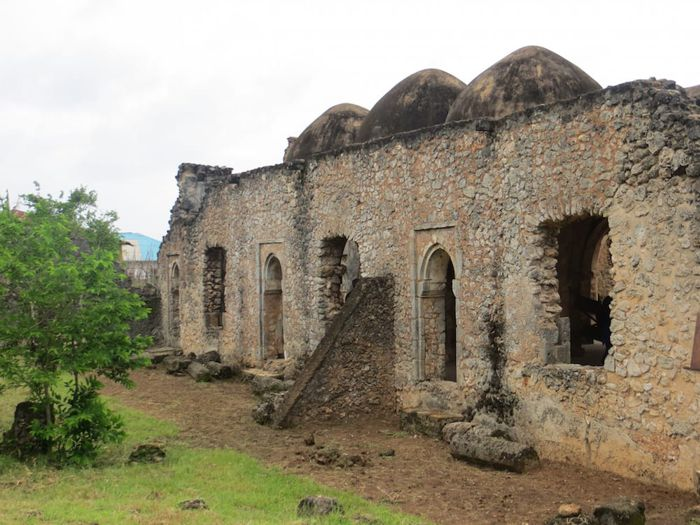
We must continue to document these stories and share them with the world so everyone can appreciate the deep history of East Africa.
Protecting the origins of somali city names ensures that the stories of old victories trade deals and natural wonders are never forgotten. Every time someone speaks these words they are keeping a piece of history alive.