


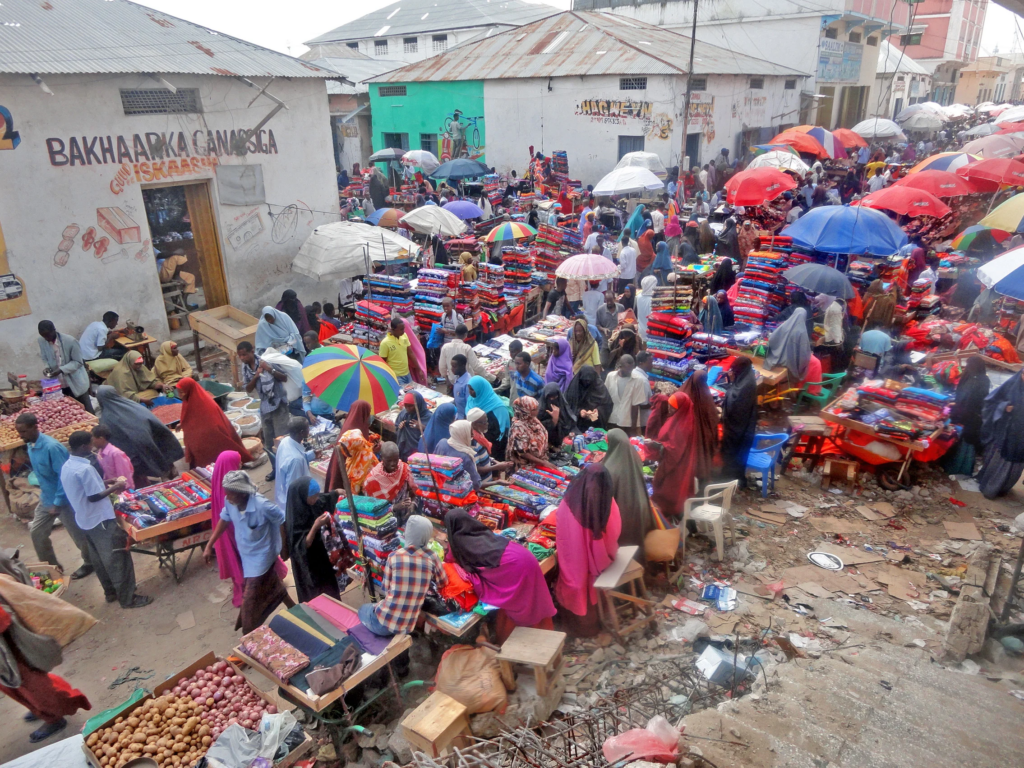
Somali market heritage comes to life the moment you step inside the historic Bakara market located in the center of the capital city Mogadishu. For many generations this bustling commercial space has stood as the largest open-air trading zone in the entire country bringing thousands of buyers and sellers together every single morning.
Walking through the narrow dusty streets of this giant market gives you a direct look into the resilient spirit and beautiful culture of the local citizens who have kept this place alive through difficult historical times. It is not just a place where people exchange money for goods but a massive social hub where news is shared friends meet for tea and the actual economic pulse of the nation beats daily.

Read Also: Somalia Wildlife Parks: Why They Matter to Nature Lovers Worldwide
The endless variety of goods that celebrate Somali market heritage
The primary reason why visitors are completely amazed by this legendary Somali market heritage site is the incredible diversity of products on display across the different specialized sections. In the fabric area you can find beautiful bright Dirac dresses and traditional wraps that local women wear for weddings and Eid celebrations hanging from every wooden stall wall.
Right next to the clothes the air becomes filled with the rich sweet smell of crushed frankincense raw myrrh and exotic spices like cardamom and cloves that are imported from nearby coastal towns. This magnificent sensory experience shows that the Somali market heritage is deeply connected to ancient global trade routes that used the Indian Ocean to connect East Africa with the rest of the world.
Another wonderful aspect of exploring this crowded trading zone is visiting the massive livestock and agriculture sections where farmers bring their fresh daily harvest. You can see long lines of healthy camels goats and cattle being traded by local nomads who have traveled for days across the dry countryside to reach the capital city. The vegetable stalls are overflowing with giant green watermelons sweet bananas and fresh mangoes that grow along the fertile banks of the Shabelle river nearby. This continuous flow of fresh food proves that the local ecosystem is highly productive and that the traditional trading system is fully capable of feeding a rapidly growing modern city without relying entirely on foreign imports.
Read Also: Culture Traditional Somali Games Keep Children Active and Teach Values
The economic power and digital growth of Somali market heritage spaces
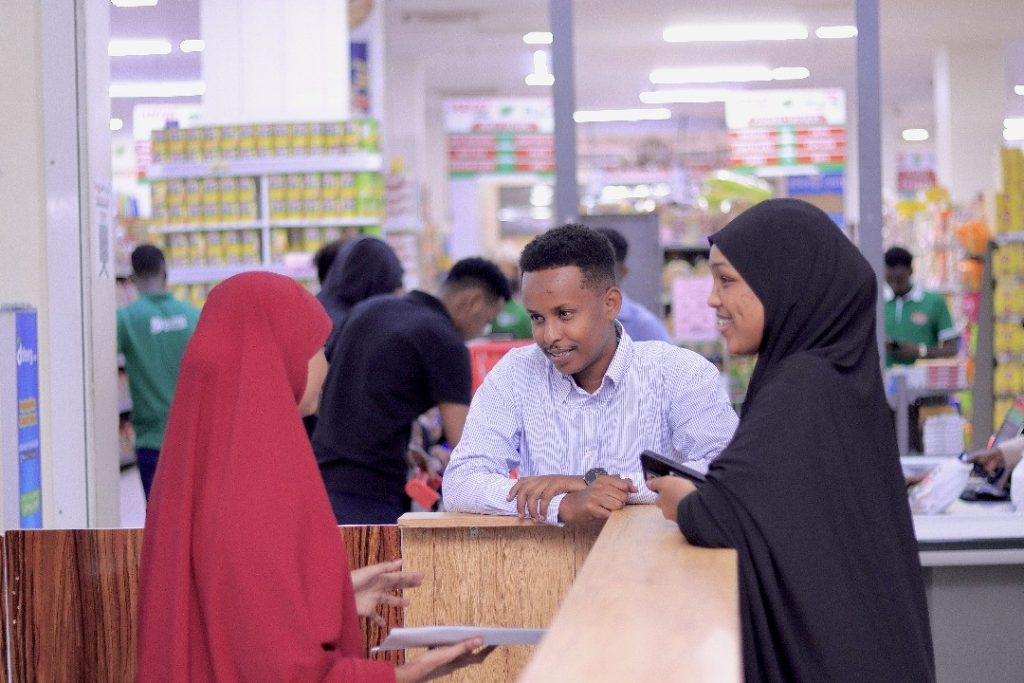
As the city enters a brand new era of peace and stability the younger generation of shopkeepers is upgrading the Somali market heritage by introducing modern digital technology into their daily business. Today almost every small vendor selling bananas or shoes on the sand accepts mobile money transfers directly through local telecommunication networks like Hormuud. This cashless system has made shopping inside the busy market incredibly safe and fast allowing regular citizens to buy their daily groceries without carrying heavy pockets of paper cash through the crowds. This unique blend of ancient tradition and modern mobile banking shows how adaptable the community is when it comes to improving their living standards.
Protecting the historical legacy of the Somali market heritage for the future
To ensure that this vital piece of Somali market heritage remains safe for future generations the local municipality has started implementing new fire safety rules and building wider roads between the stalls. Organizing the massive layout of the market helps emergency vehicles reach the center quickly if an accident happens while also making it much easier for international visitors to navigate the maze safely. The local elders and community leaders are working hand in hand with the police to maintain order and keep the market free from unmanaged chaos or crime. By investing in the infrastructure of this historical commercial zone the government is protecting the ultimate symbol of national resilience and local economic strength.
Read Also: Somali Cultural Icons Shaped East Africa’s Identity for Centuries
In conclusion the lively daily drama of the Bakara market is a beautiful reminder that true Somali market heritage is built on human connection hard work and a deep love for community life. We cannot truly understand the culture of this coastal nation without spending an afternoon walking through these vibrant alleyways and listening to the friendly bargaining between neighbors.
By supporting these independent local traders and celebrating their traditional lifestyle we are helping keep the historical heart of Mogadishu beating strongly for many years to come. Do not miss the chance to experience this unique cultural wonder because the story of our nation is written inside the busy stalls and smiling faces of this grand historic market today.