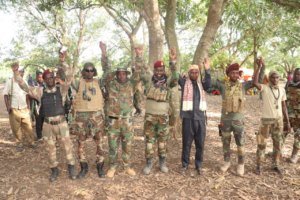


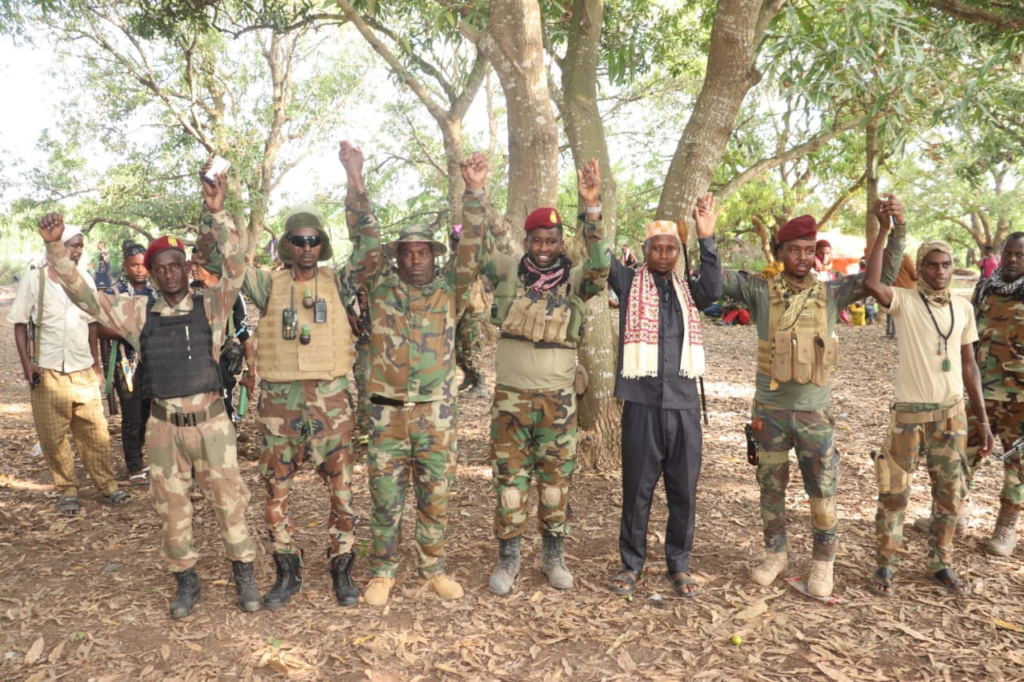
Puntland Security Surrender became reality early this week as special forces known as the PFS gave up their long standing fight against local state authorities in the commercial hub of Bosaso Reports coming from the city confirmed that regional officials took full control of the main military base without any heavy fighting or clashes breaking out This unexpected development came right after regional forces secured another PFS base located in Galkayo following a brief armed confrontation on Wednesday afternoon Local residents walked through the streets watching local state troops move into the abandoned installations and set up new security checkpoints across key neighborhood roads.
Read Also: Somalia Defense Talks: China Deepens Ties With Mogadishu
For many years the PFS claimed they were directly connected to the federal government in Mogadishu and operated as an official branch of the national army However the administration in Garowe always maintained that these fighters were operating illegally inside their territorial borders After two decades of tension and political disputes the regional leadership finally managed to disband the group and dismantle its local infrastructure
Puntland Security Surrender and the collapse of local militia bases
Understanding the Puntland Security Surrender requires looking closely at how local power dynamics shifted over the past few months across the Horn of Africa The special forces unit had maintained a steady presence in commercial.
Towns for nearly twenty years relying on complex political alliances and external funding sources When regional authorities organized a coordinated move against their strongholds the command structure quickly crumbled leading to quick surrenders in multiple districts.
Read Also: Somalia daily life what surprises people the most about it
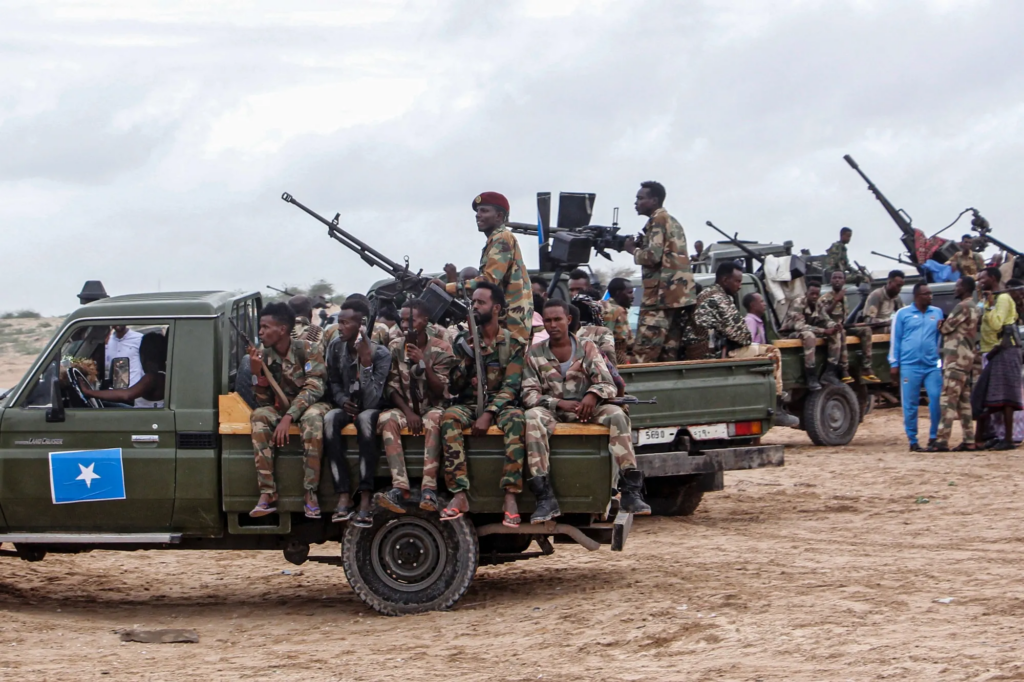
Military leaders inside Garowe viewed the Puntland Security Surrender as a necessary step toward consolidating absolute authority over local ports and trade corridors Uncontrolled armed groups operating outside the command of state authorities created constant friction between local merchants regional politicians and federal leaders in Mogadishu By removing this independent military factor the regional government aims to present a unified front and enforce local laws across all commercial sectors
Puntland Security Surrender: Role of local elders and community negotiators
Local community leaders played a quiet role in negotiating peaceful handovers once it became clear that armed resistance would cause unnecessary civilian casualties Elders from nearby villages met with commanders to convince them that laying down weapons was the best choice for community peace Their intervention prevented prolonged fighting in densely populated areas of Bosaso where businesses were closed and residents feared total war
- Peaceful base transfer: State troops entered the primary military facility in Bosaso without firing shots
- Prior conflict in Galkayo: State forces took over a secondary base after a short battle on Wednesday
- End of two decade era: The independent operation of special forces ended after twenty years of activity
- Federal vs regional debate: The group claimed national army status while local authorities called them illegal
- Trader relief: Local business owners welcomed the end of standoff tensions near main trade routes
Federal reactions and broader regional implications
The broader impact of the Puntland Security Surrender is being felt across the political landscape in Somalia as officials assess what comes next Federal authorities in Mogadishu have monitored these security developments closely given their historical links to the special forces group Some political analysts worry that disarming this unit could leave certain coastal areas vulnerable to other security threats while others argue it brings long overdue order to the state
Commanders from the state military are currently processing former members of the special forces to integrate them or send them back to civilian life Arms ammunition and heavy military vehicles found inside the captured bases have been registered and stored in state arsenals under official supervision Officers expressed confidence that the transition will proceed smoothly without further resistance from splinter groups hiding in rural hideouts
Puntland Security Surrender: Economic recovery and daily life in Bosaso
Residents living near the main port area reported that daily commercial life is returning to normal following days of anxiety and rumors about impending violence Shops have reopened market stalls are busy again and cargo trucks are moving freely along major supply highways People express hope that local stability will last and that local leaders will focus on economic development instead of constant internal political conflicts.
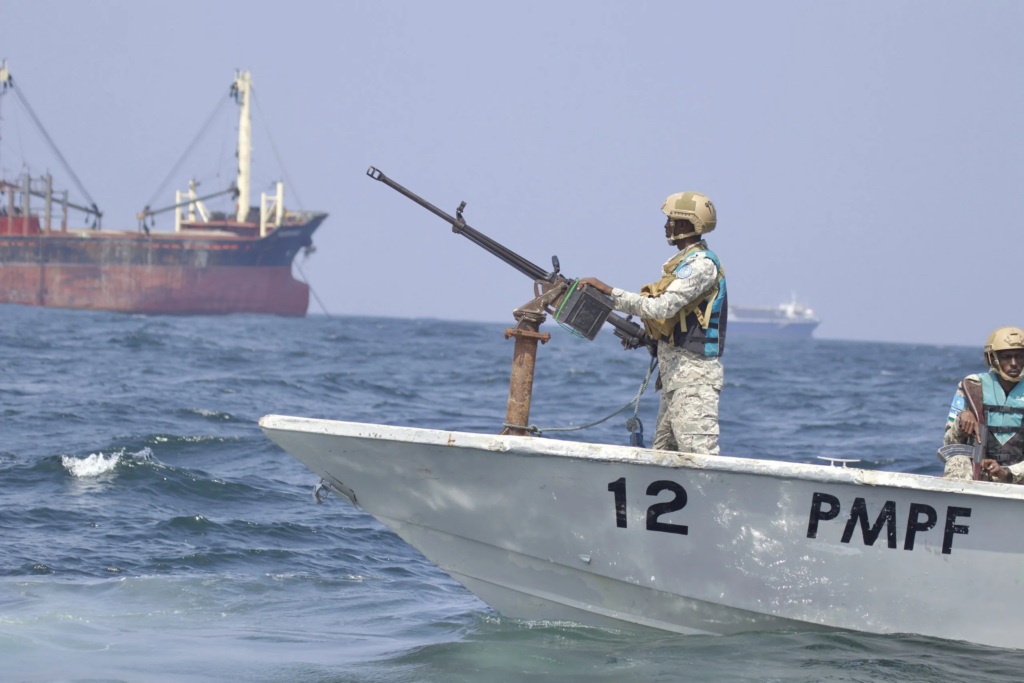
The news of the Puntland Security Surrender quickly spread to other towns encouraging local businesses to invest in expanding their stores Security patrols now walk through the market areas regularly making shop owners feel much safer about carrying out daily cash transactions without fear of robbery or extortion.
Final reflections on the future of state security
In the long run the Puntland Security Surrender marks a major turning point in how regional states handle unauthorized military units within their borders By successfully bringing a twenty year independent security force to an end local authorities have signaled that all armed units must operate under a single unified chain of command How this new security reality affects relations between federal institutions and regional authorities will remain a critical topic for leaders across the country.
Read Also: Somalia livestock wealth how does it support the whole nation
With the Puntland Security Surrender now completed regional leaders can redirect their attention toward strengthening judicial systems and building better public infrastructure For ordinary citizens this shift means fewer armed checkpoints on roads and a more peaceful environment for raising families and operating small businesses across the state.