

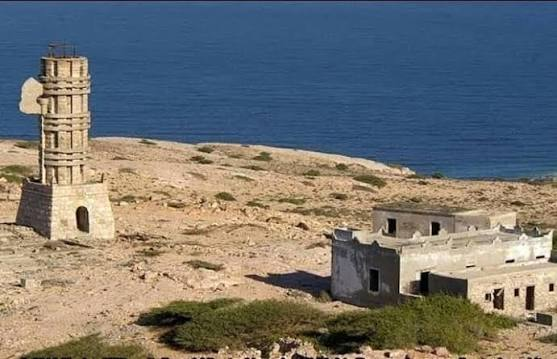
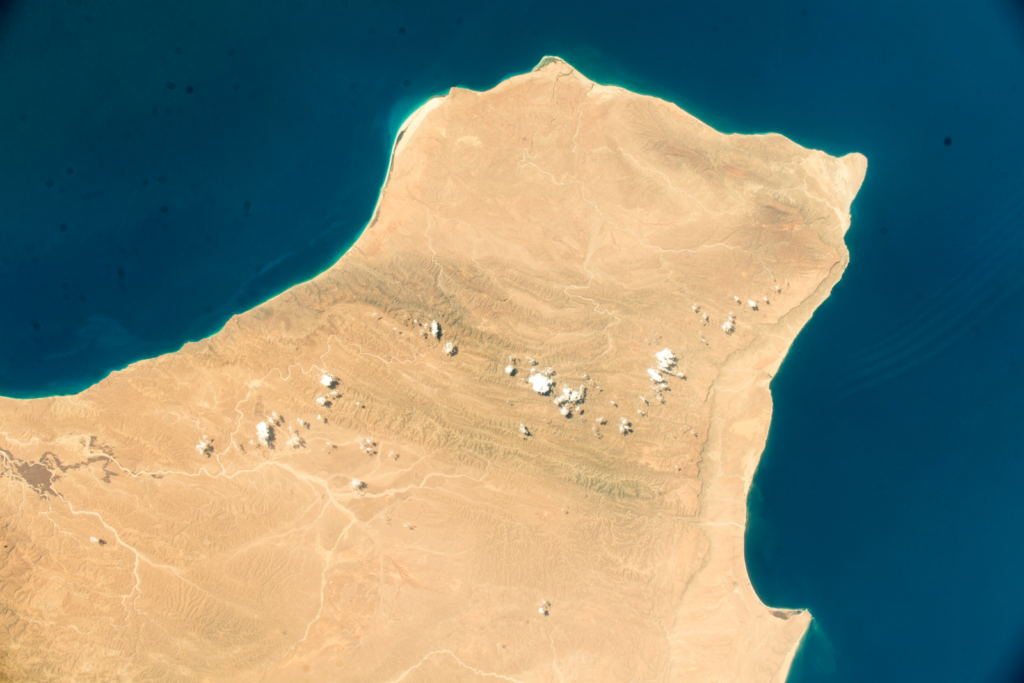
Ras Hafun Lighthouse is a very special historical building located at the edge of the Horn of Africa. It sits on a giant piece of land that goes out into the Indian Ocean which makes it the easternmost point of the entire African continent. For many centuries this specific area was very important for ships traveling between Europe Asia and Africa. Long ago sailors needed a strong guide to keep them away from the dangerous rocks near the shore. That is why people often talk about Ras Hafun Lighthouse when they discuss the old maritime history of Somalia.
The Building of Ras Hafun Lighthouse by Italians
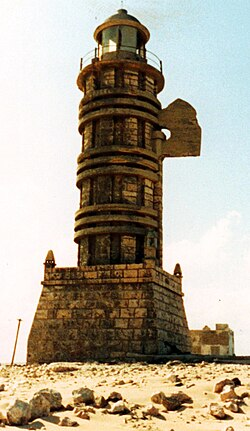
The construction of this structure happened a long time ago during the colonial era when Italy ruled this part of Somalia. The Italian government wanted to secure the shipping lanes for their trade vessels moving through the region. The shape of Ras Hafun Lighthouse is very unusual because it looks like a blocky stone tower rather than a classic round tower. It was built using heavy concrete and local materials that could survive the strong salty winds coming from the ocean every single day.
Read Also: Why Laas Geel Cave Paintings Are Important for History
When it was fully working the tower had a very bright light at the top that could be seen from many miles away. Engineers used a complex system of lenses and fuel to keep the flame burning bright through the dark nights. Inside the building there were rooms for the workers who had to stay there for months just to maintain the machinery. Today Ras Hafun Lighthouse stands as a silent reminder of that busy era when hundreds of steamships passed by the coast every month.
During World War II the area became a place of conflict and the building suffered a lot of damage from attacks. The radio stations and factories nearby were destroyed and the light eventually stopped working completely. Sailors always look for Ras Hafun Lighthouse when they study old sea maps because it marks such an important geographical point. Even though the light is dead now the giant stone skeleton of the building still looks highly impressive against the blue sky.
- The structure sits on the easternmost point of the entire African continent
- Italian engineers built the tower using a unique blocky style instead of a round shape
- The site was a major navigation point for global shipping lanes during the old days
The natural environment around the structure is very beautiful but also very harsh because of the desert weather. There are giant sand dunes and rocky cliffs that make traveling to the site a big challenge for regular tourists. Visiting Ras Hafun Lighthouse is quite hard because the roads from the main towns are broken and you need a strong four wheel drive vehicle to reach it safely. Only a few adventurous travelers make the long journey to see this abandoned treasure every year.
The local fishermen who live in the small village of Hafun know a lot of stories about the old tower. They see it every time they go out into the sea to catch fish and lobsters for their families. The local community values Ras Hafun Lighthouse because it brings a sense of identity and history to their remote region. They often show the path to the few visitors who arrive and explain how the area looked when the station was still alive with workers.
Read Also: Why Laas Geel Cave Paintings Are Important for History
There is a lot of concern about the future of the monument because the wind and sea water are slowly eating the old concrete away. Without any repairs the structure might collapse completely in the coming decades. Protecting Ras Hafun Lighthouse should be a priority for historical groups because it is a unique piece of architecture in East Africa. It represents a time when global trade routes were changing the face of the world.
Read Also: Somali Market Heritage: Why This Trading Hub Drives Local Life
To save this landmark the government needs to collaborate with international heritage organizations to rebuild the broken steps and secure the walls. If they fix the paths it could become a great destination for eco tourism which would help the local economy grow. Leaving Ras Hafun Lighthouse to disappear would be a huge loss for the history of navigation. Every person who loves old monuments hopes that this lonely giant on the edge of Africa will be saved before it is too late.