


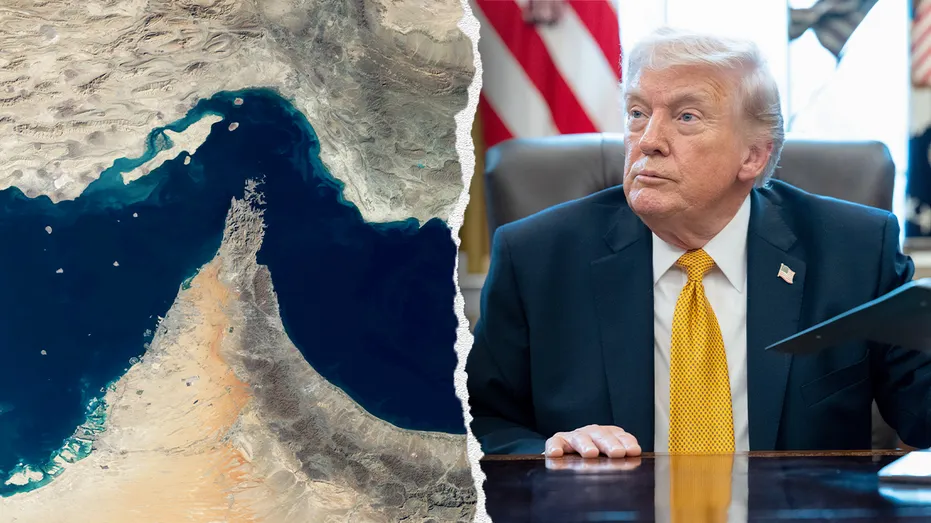
The Strait of Hormuz toll concept was introduced by Donald Trump as a way to force global nations to pay for American protection in the Persian Gulf. In a move that shocked world markets on Monday July 13 2026 the US President announced plans to levy a twenty percent fee on all commercial cargo passing through the vital waterway.
In a social media post Trump stated that the United States military will act as the guardian of the passage and must be reimbursed for its expensive security efforts. He noted that Washington has protected this corridor for free for too many years and that this old policy is now over. Following the announcement global oil prices quickly climbed higher while major international stock indices suffered noticeable losses.
Read Also: Trump Administration Requests More Money: Why Now?
The shock of a Strait of Hormuz toll on global shipping
The shipping industry did not expect the White House to propose a Strait of Hormuz toll on standard cargo transiting international waters. Many shipping executives and international legal experts are questioning how the US can legally collect a twenty percent charge in an international strait. Usually maritime law protects free passage without fees or transit duties for commercial vessels.
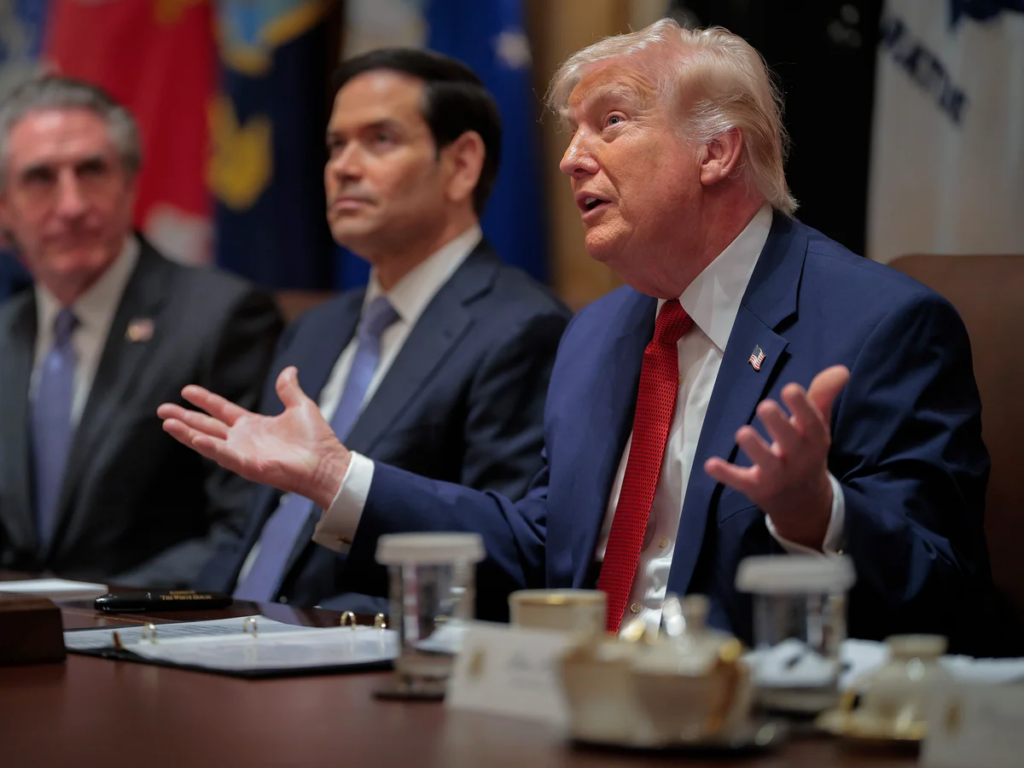
However Trump told Fox News that the United States will now maintain and likely run the critical waterway to keep it safe. He even referred to the US military presence as the guardian angel of the strait. The president stated that guarding this volatile region is highly dangerous and that wealthy nations who buy oil from the Middle East must cover the bill.
Read Also: Trump Beirut Statement: Views on the Attack and Peace Efforts
This bold plan comes as tensions between the United States and Iran reach a boiling point. Both military forces have traded intense rocket and drone fire in the region over the last forty-eight hours. With peace talks failing completely the reality of a Strait of Hormuz toll has forced global logistics companies to quickly calculate the potential for massive new shipping costs.
Iran Reacts to Strait of Hormuz Toll Pressure
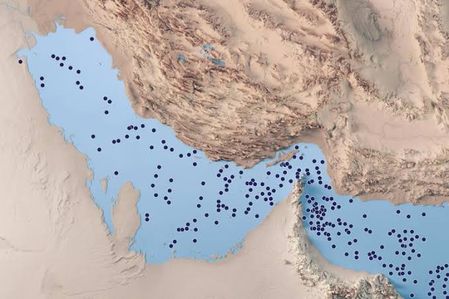
The Iranian leadership responded with anger to the American plans and threatened its own transit rules. Tehran has long claimed authority to regulate the shipping lanes that sit near its southern coast. Before this regional conflict began in late February about twenty percent of global oil and liquefied natural gas traveled through this narrow choke point.
+-------------------------------------------------------------+
|              Strait of Hormuz Control & Transit             |
+----------------------+--------------------------------------+
| US Proposed Role     | Guardian of the passage with 20% fee |
+----------------------+--------------------------------------+
| Iranian Position     | Demands its own shipping regulations |
+----------------------+--------------------------------------+
| Global Oil Traffic   | 20% of world petroleum trade         |
+----------------------+--------------------------------------+
When hostilities broke out earlier this year Iran tried to establish its own transit fees on commercial vessels. The United States rejected those claims and argued that international laws guarantee free transit.
Now that the White House is pushing a Strait of Hormuz toll the argument has turned into a major legal contradiction. Iran argues that if the US can levy fees then Tehran should also collect money from vessels transiting the Gulf. This dispute has left international shipping companies deeply worried about getting caught in a crossfire or facing double taxation.
Why the temporary ceasefire failed so quickly
Just last month there was a brief moment of diplomatic progress. In mid-June the United States and Iran signed an interim ceasefire deal. Under those specific terms both nations agreed to stop targeting commercial shipping. The written agreement also explicitly banned Iran from trying to collect transit fees from merchant vessels.
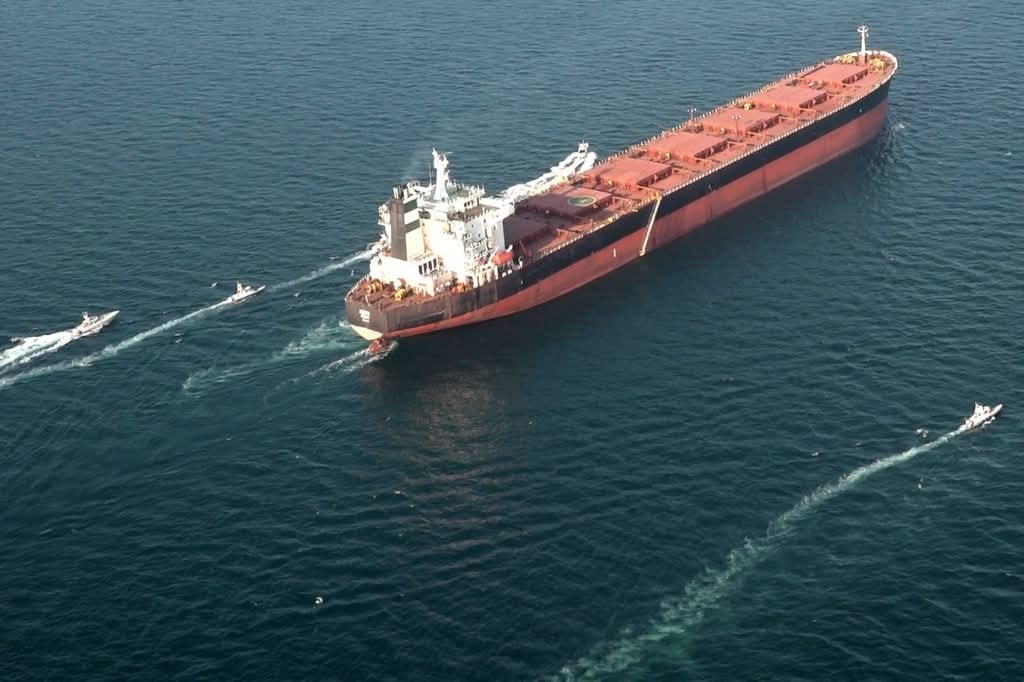
However the deal collapsed after a series of shadow attacks on container ships and tankers. Trump declared the ceasefire over last week and reinstated a full naval blockade on Iranian ports. The US Joint Maritime Information Center announced that any vessels carrying Iranian goods would be intercepted and turned back starting Tuesday. With the truce gone the US administration is moving ahead to set up the Strait of Hormuz toll program.
What this means for global oil and trade
If the United States begins to collect a Strait of Hormuz toll on commercial ships the prices of everyday consumer goods will rise. Petroleum and energy products are the most vulnerable to these new shipping taxes. Many economists warn that extra transit fees will trigger a new wave of global inflation because shipping companies will pass the added costs directly to buyers. Asian and European economies that rely heavily on Middle East energy imports could face the biggest financial hit.
“We cannot be expected to do this for free unlike what we have been doing for many years.”
— Donald Trump on Fox News
The US Navy is already preparing to enforce the blockade and organize the collection process. Trump maintains that friendly nations will still have open access to the waterway as long as they pay the twenty percent fee.
Read Also: Does Trump mean the end of Iran’s standoff over Hormuz?
As the situation develops quickly international trade bodies like the International Maritime Organization are voicing strong opposition to any mandatory tolls on international straits. But with the US president determined to run the waterway under a Strait of Hormuz toll the era of free shipping through the Gulf could be coming to an end.