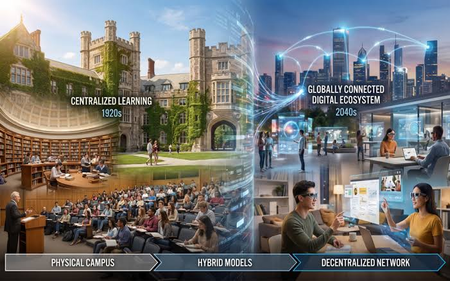



Tech in education plays a huge role in how schools work now because it changes the way teachers share lessons with everyone in class. In the old days students only had books and blackboards to rely on during school hours. Now almost every classroom relies on screens and online tools to make learning faster and much more fun. Kids can look up answers in seconds instead of searching through heavy books for hours.
Read Also: Spain Trophy Celebration: Madrid Welcomes Champions
Having tech in education opens up opportunities for people who live far away from big cities. A student in a small village can take the same course as someone in a major city as long as they have a computer and a connection. This levels the playing field and gives equal chances to millions of learners worldwide. Teachers also save time because they can send assignments directly to student devices without printing hundreds of sheets of paper daily.
Tech in education and how it impacts daily classroom routines
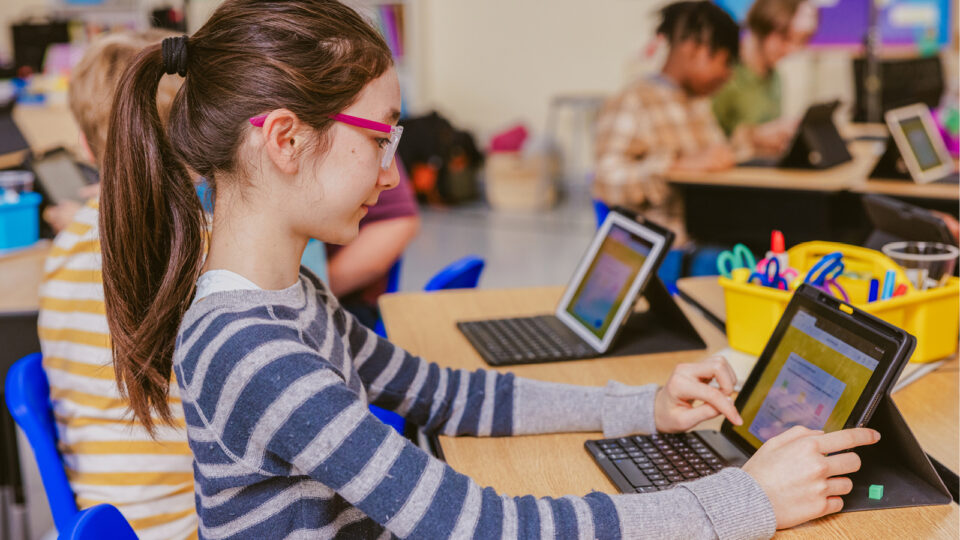
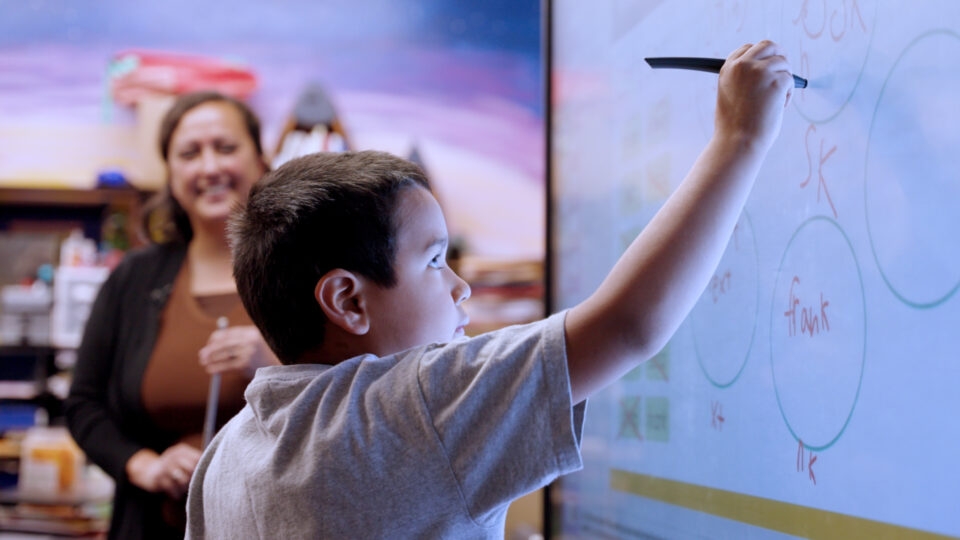
The daily routine in schools looks very different now compared to twenty years ago. Teachers use smart boards to show videos and interactive diagrams that make hard topics easier to understand. Students can take notes on tablets and save their work directly to the cloud so they never lose their homework. This makes organizing study materials much easier for young kids and teenagers alike.
Using tech in education also helps students learn at their own speed without feeling rushed by others. If someone does not understand a math problem they can pause a tutorial video and watch it five times until it makes sense. On the other hand fast learners can move ahead to harder topics without waiting for the rest of the class. This personalized style of learning makes students feel less stressed about their grades.
Read Also: World Cup Assists: Who Created the Most Goals?
Tech in education: Internet access and online resources for students
The internet is like a giant library that never closes its doors to anyone. Students can find free books practice tests and video tutorials on almost every subject imaginable tech in education . They can join online forums to ask questions and get help from tutors or fellow students living on the other side of the planet. This huge access to information helps kids build strong research skills early in life.
Online group projects are another great benefit of modern connectivity. Students do not need to meet at someone house after school to work together anymore. They can open a shared document online and type their parts simultaneously while chatting on video call. Learning how to collaborate online prepares young people for future jobs where remote work is becoming very common. Many experts agree that tech in education gives youth the exact practical skills modern employers look for.
Tech in education: Challenges faced by schools and teachers
Even with all these benefits bringing new tools into schools is not always easy or cheap. Buying computers for hundreds of students costs a lot of money that many public schools simply do not have. Furthermore fast internet is not available in every rural area which creates a big gap between rich and poor communities. Solving this digital divide is a major task that governments need to focus on right now.
Another big challenge is keeping students focused while they use connected devices in class. It is very easy for kids to get distracted by games social media or videos when they should be listening to the teacher. School staff must set clear rules and use software filters to block harmful or distracting websites during school hours. Training teachers to use new devices effectively is also crucial because tools are useless if educators do not know how to operate them properly.

Read Also: Wall Street Banks: Can AI Be Their Biggest Risk?
The future of learning with modern digital tools
Looking ahead learning will likely become even more digital as new tools keep coming out every year. Virtual reality could soon let history students walk around ancient ruins or science students explore inside a human cell. Artificial intelligence tools might act like personal tutors that give instant feedback on essay writing and math problems. These advances will make studying much more engaging for future generations.