

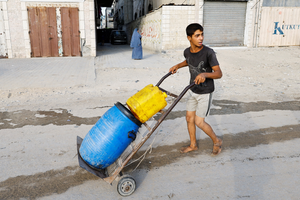

Somali family budget is a major concern for many people living across different regions today as prices for basic food items keep rising. Many parents find it very hard to pay for daily groceries like rice and flour and cooking oil every single week. When food prices go up families have to change their daily habits and find clever ways to stretch their money as far as possible. In this article we will look at how everyday households deal with these financial challenges and survive during tough economic times.
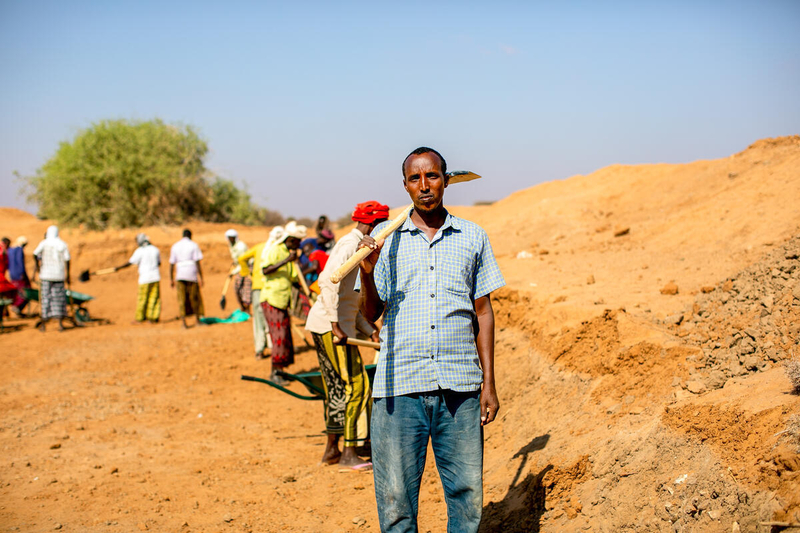
Read Also: Why Did Galmudug President Withdraw From Election Race?
Somali family budget and the daily struggle with high market prices
Living with limited money means that every single dollar spent in the local market needs to be planned carefully. Most families depend on daily or weekly income which makes unexpected price hikes very difficult to handle. Parents often have to make hard choices between buying nutritious food or paying for school fees and home rent.
Now let us explore the main strategies people use to manage their expenses during these difficult periods.
Read Also: The Saudi Military Intervention: Somali Soldiers for Sudan?
1. Buying food items in bulk together with neighbors
One common way people protect their Somali family budget is by joining forces with neighbors or relatives to buy bulk food. When a single household tries to buy small bags of sugar or flour at the local shop they pay higher individual prices. By pooling money together with three or four other families they can buy giant wholesale sacks at a much lower cost per kilogram. Afterwards they divide the food equally among themselves at home. This simple strategy saves a lot of cash over the course of a month.
2. Cooking simple traditional meals at home
Eating out at local restaurants or buying prepared fast food has become an unaffordable luxury for most ordinary households today. Instead mothers prepare simple traditional dishes like Canjeero flatbread and basic bean stews that cost very little to make in large amounts. They use affordable ingredients like beans and maize instead of buying expensive meats every day. Cooking large pots of rice or porridge ensures that everyone in the house gets full without blowing the whole weekly allowance.
3. Cutting down on non essential social expenses
When financial pressure increases families naturally cut out extra spending on non essential items and social events. People spend less money on buying new clothes for minor occasions or hosting big feasts for extended social groups. They also reduce travel between towns to save money on transport fares and bus tickets. Protecting the core Somali family budget means focusing strictly on essential needs like clean water and shelter and medical care.
4. Somali family budget: Using local informal credit networks at neighborhood shops
Almost every neighborhood has small corner shops where owners know the local residents personally. When money runs short before the end of the month shopkeepers allow trusted customers to take basic groceries on credit. The shopkeeper writes down the debt in a notebook and the customer pays it back as soon as their next paycheck arrives. This informal system provides a crucial safety net that prevents families from going hungry during tight weeks.
5. Somali family budget: Taking on extra side jobs and small street trade
To bring in more cash many family members look for secondary sources of income wherever they can find them. Women often start small market stalls selling tea or fresh vegetables or fruit on street corners during the day. Young adults take on temporary labor work like construction or driving local transport vehicles. Having multiple small streams of income coming into the home makes the overall Somali family budget much more resilient against sudden price increases.
Simple habits that help manage household expenses
Managing money during hard times requires discipline and clear communication between family members every single day.
- Write down all daily market purchases on paper so you can track where every dollar goes.
- Avoid buying expensive imported snacks and stick to locally grown fresh foods.
- Share resources and tools with nearby relatives to reduce individual household costs.
Taking these practical steps helps families survive financial storms without falling deep into debt. Talking openly about your Somali family budget helps everyone in the house work together toward the same survival goals.
Final thoughts on household resilience
Rising costs of living create huge hurdles for ordinary people but strong community bonds help families pull through together. Through sharing food and getting support from abroad and working hard at small businesses households manage to adapt. As economic conditions change around the world staying smart with money remains the best way to protect your home.

Read Also: The Saudi Military Intervention: Somali Soldiers for Sudan?
Supporting one another and keeping a careful Somali family budget ensures that communities stay strong no matter how high prices go.