


Aqal Somali house designs are a beautiful example of how clever human beings can be when they need to build a comfortable home using only raw materials found in the dry desert bush. For hundreds of years traditional families in East Africa have lived as nomads moving with their sheep camels and goats from one green pasture to another as the dry seasons change. Because of this moving lifestyle they could not build heavy homes out of stone or mud that stay in one fixed place forever. Instead they perfected a wonderful type of portable shelter that is lightweight very strong and perfectly shaped to stay cool under the hot African sun.
Read Also: Somali Female Poets Preserving Traditional Storytelling Across Generations
The clever building method of the Aqal Somali house
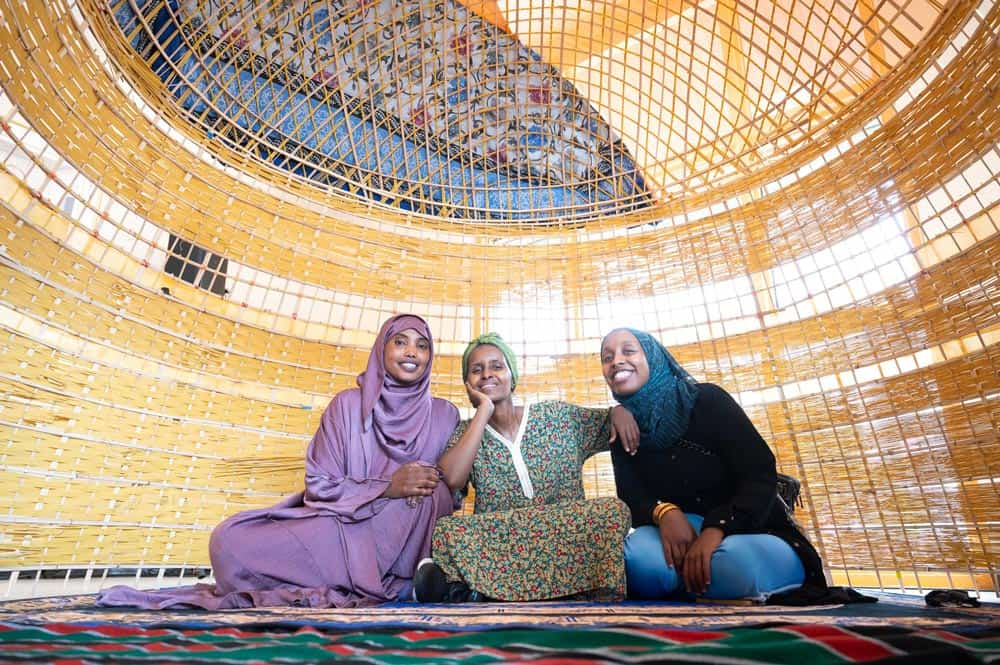
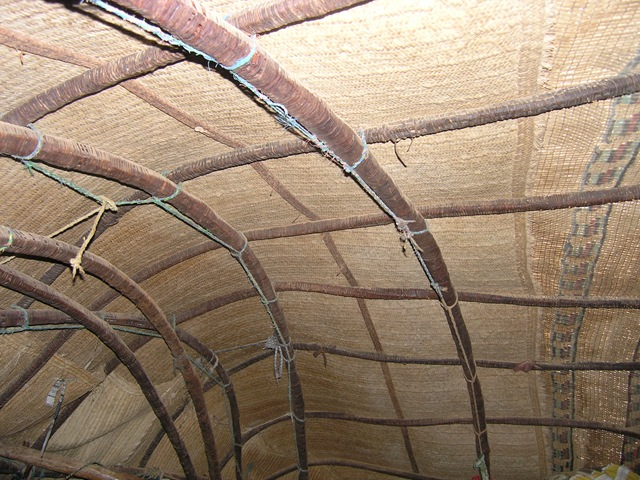
When you look at the basic shape of an Aqal Somali house you will notice it looks like a perfect dome or an upside down wooden bowl sitting on the dusty ground. The main frame of the structure is built by taking long flexible branches from local trees and bending them carefully to form strong curved arches. The builders who are almost always the hard working women of the family push the ends of these wooden poles deep into the dirt so they do not fly away when strong desert winds blow at night.
This hemispherical design is brilliant because it allows the wind to slide smoothly over the top of the tent without pushing the structure down or causing dangerous damage.
Read Also: Somali Cultural Icons Shaped East Africa’s Identity for Centuries
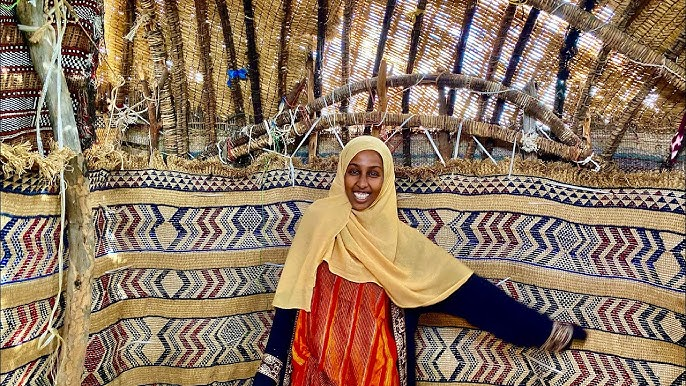
Once the wooden bones of the Aqal Somali house are tied together securely using strong ropes made from chewed tree bark the women begin covering the frame with large handmade mats. These special mats are woven very tightly using dried grass palm leaves and clean camel hair to create a thick protective shield against the harsh weather elements. During the hottest hours of the afternoon these natural fabrics block the burning sunbeams keeping the inside of the room surprisingly cool and shaded for the resting family members. If a rare rainstorm happens to hit the area the dry fibers of the mats quickly swell up from the moisture blocking the water from dripping onto the bedding below.
Inside the curved walls of an Aqal Somali house
The interior layout of a traditional Aqal Somali house is divided into small cozy sections using beautiful hanging woven curtains to give the family members a sense of privacy. The right side of the dome is usually reserved for the parents and small babies containing soft mattresses made from layered animal skins and clean woven mats stacked on the floor. The left side is used to store valuable wooden milk containers water jars and traditional cooking tools needed to prepare daily meals over a small open fire outside the door. This clever use of space proves that the Aqal Somali house is a highly organized home despite its small size and simple look.
Packing up the Aqal Somali house for long journeys
The most amazing feature of the Aqal Somali house is how quickly it can be taken apart and packed away when it is time for the community to find fresh water holes. A single woman can untie the entire structure pull the wooden poles out of the ground and roll up the heavy grass mats in less than two hours without any help.
The whole rolled up bundle is then strapped securely onto the back of a strong camel which carries the home across the hot desert plain to the next camping site. This unique portability makes the Aqal Somali house one of the most successful sustainable architectural designs in the history of nomadic cultures worldwide.
Read Also: Ancient Somali Trade Routes Linked Worlds Across Oceans
In modern times many families who move into big cities like Mogadishu or Hargeisa are starting to build modern houses out of concrete steel and bricks instead of using the old methods. However the memory and pride of the Aqal Somali house remain very strong in the hearts of the younger generation who see it as a beautiful symbol of their ancestors survival skills.
Some clever architects are even studying these ancient dome designs today to learn how to build cheap eco friendly shelters for refugees and travelers in dry climates. By respecting these traditional building styles we can keep the rich history alive while finding smart solutions for modern housing problems across the globe.