
Somali culture guide is a topic that opens up a fascinating look into ancient traditions and rich oral history from the Horn of Africa. Many people around the world know very little about the daily customs and social values of the Somali people. From famous poetry recited under acacia trees to deep family bonds and warm hospitality, this vibrant heritage has survived through centuries of changing times. In this article we will explore the core parts of these traditions and help you understand what shapes everyday life for millions of people both in East Africa and across the world.
Read Also: Jowhar Agricultural City: Why Is It Key to Somalia?
Somali culture guide and the ancient traditions that shape daily life
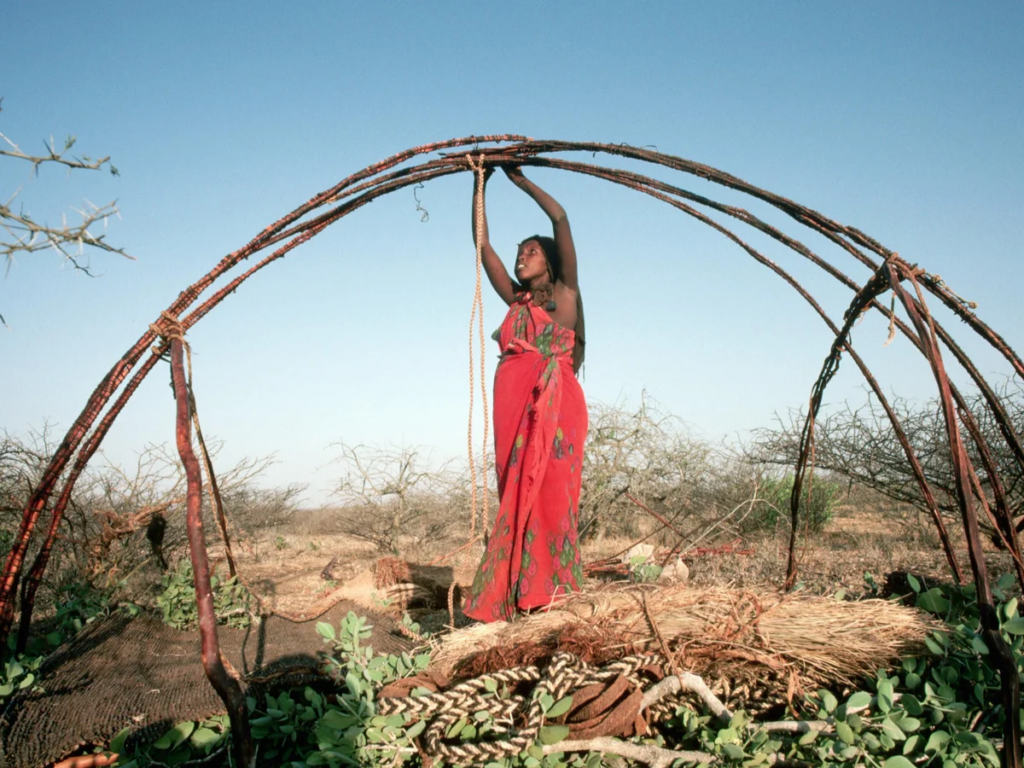
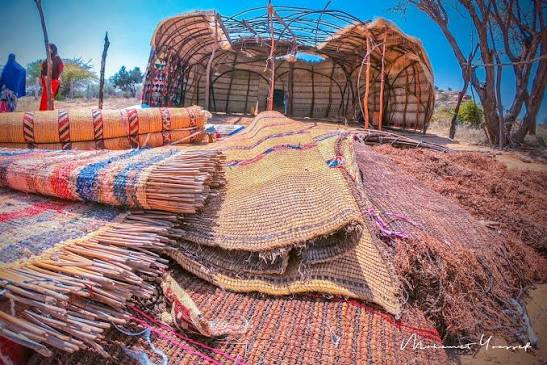
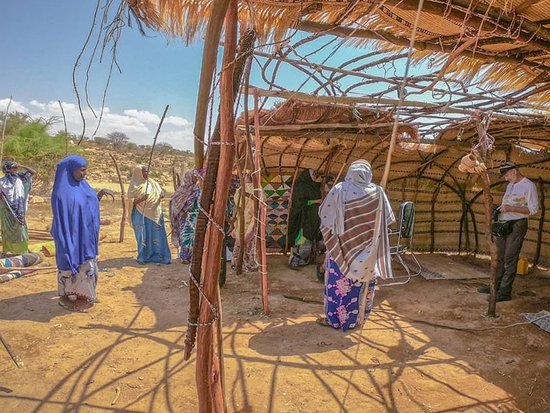
At the heart of life in Somalia lies a deep respect for elders and strong community connections. For generations, most people lived nomadic lives moving across vast lands with camels and goats to find water and pasture. This mobile lifestyle created a society built on sharing resources and helping neighbors whenever times got tough. Even today, whether people live in busy cities or small rural villages, these nomadic roots continue to influence how people greet each other, share food, and resolve community disagreements.
Now let us look at the main elements that define this rich way of life for everyone in the region.
1. The power of poetry and spoken stories
Somalia is often called a nation of poets because spoken words hold immense power in everyday society. Long before written records became common, people used poems to share news, teach history to children, and solve disputes between different groups. A skilled speaker can gain huge respect in a village simply by reciting clever verses during public meetings. Reading a Somali culture guide helps you see why storytelling is not just entertainment but a primary way of preserving history across generations.
2. Somali culture guide: Traditional clothing and colorful everyday style
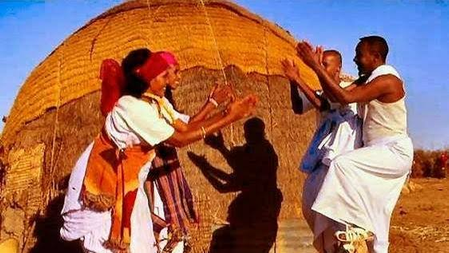
The way people dress reflects both the warm tropical climate and deep religious values of modest living. Men traditionally wear a colorful draped cloth called a Macawiis around their waist, paired with a simple shirt and a light shawl over the shoulder. Women wear bright flowing dresses known as Dirac, often matched with matching headscarves called Hijab or Garbasaar. During weddings and big festivals, these clothes are made from fine silk with detailed gold patterns, creating a stunning visual display of national pride.
3. Somali culture guide: The warmth of traditional hospitality and food sharing
If you ever visit a local household, you will notice immediately how generous hosts are to guests. Offering food and tea is a mandatory social custom, and turning down a guest is considered very rude. Meals like Bariis Isku-Dhis spiced rice or Canjeero flatbread are served on large metal platters meant for group dining. People sit together on floor mats and eat using their right hand, which reinforces feelings of unity and friendship. Any proper Somali culture guide will tell you that sharing meals is the main way bonds are strengthened.
4.Somali culture guide: Nomadic heritage and deep respect for livestock
Animals like camels and goats are far more than just food sources; they represent wealth and social standing. Camels in particular are deeply prized because they can survive long droughts in harsh desert environments. Many traditional songs and poems praise the camel for its strength and reliability. Even urban families who have lived in modern cities for decades still maintain close connections to livestock traditions and value these animals as symbols of purity and heritage.
5. Family structures and clan unity
Family bonds extend far beyond parents and children to include large networks of aunts, uncles, and distant cousins. When a family member experiences hardship or wants to start a business, the extended network steps in to offer financial and moral support. This strong safety net ensures that no individual faces major life problems completely alone. Understanding how family networks function is an essential lesson in any Somali culture guide because community collective support forms the backbone of survival.
6. Music dance and wedding celebrations
Weddings are massive social events that bring whole neighborhoods together for days of dancing and music. Traditional dances like the Dhaanto feature rhythmic clapping, drum beats, and graceful jumping movements performed by young men and women. Modern music blends traditional oud instruments with electric guitars and keyboards, creating a upbeat sound enjoyed by young generations. These lively celebrations show the cheerful spirit and resilience of the people despite past political struggles.
Simple ways to appreciate and respect these traditions
If you are interacting with people from this background in your community, keeping a few basic customs in mind will go a long way.
- Always use your right hand when giving or receiving items like money or food.
- Greet elders first with a polite soft tone to show respect for their age and wisdom.
- Accept offered tea or snacks gracefully when visiting a home to acknowledge their hospitality.
Taking time to learn these simple habits makes cross-cultural friendships much smoother and more meaningful. Following a Somali culture guide helps bridge gaps between different communities and fosters genuine mutual respect.
Read Also: How Somali Football Unity Brings People Together
Final thoughts on a rich heritage
The traditions of the Horn of Africa offer a powerful lesson in community strength, generosity, and artistic expression. From poetic heritage to strong family loyalty, these customs continue to thrive both at home and in global diaspora communities worldwide.
Read Also: Merca coastal city history and beauty?
Learning about these traditions enriches our understanding of human history and cultural diversity. Exploring a Somali culture guide reminds us of the power of community bonds and shared human values across the globe.