

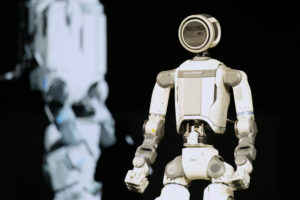

Hyundai human robots plan is setting up a huge change in how car factories will make vehicles over the coming years. The big automotive company wants to build around thirty thousand humanoid machines every single year by twenty twenty eight as part of its push into physical artificial intelligence. These advanced machines are designed to interact with real world factory settings rather than just doing the same basic automated motion over and over again. By integrating smart hardware with learning software the goal is to create machines that can learn move around obstacles and adapt to new production demands very quickly on the factory floor.
Read Also: 5 privacy steps you should change on Gemini right now
Understanding the Hyundai human robots plan and Boston Dynamics partnership
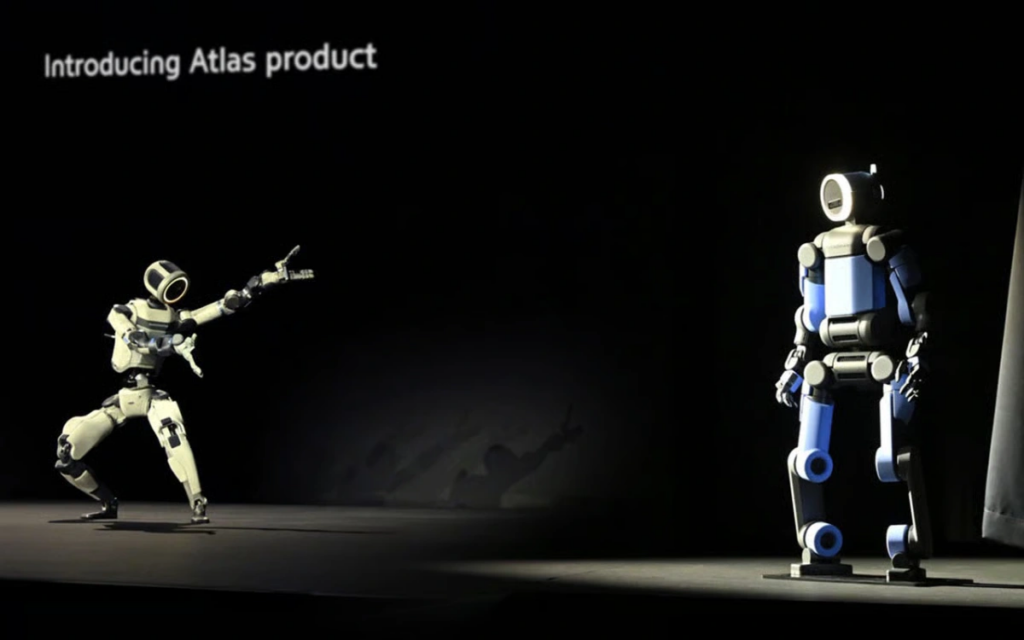
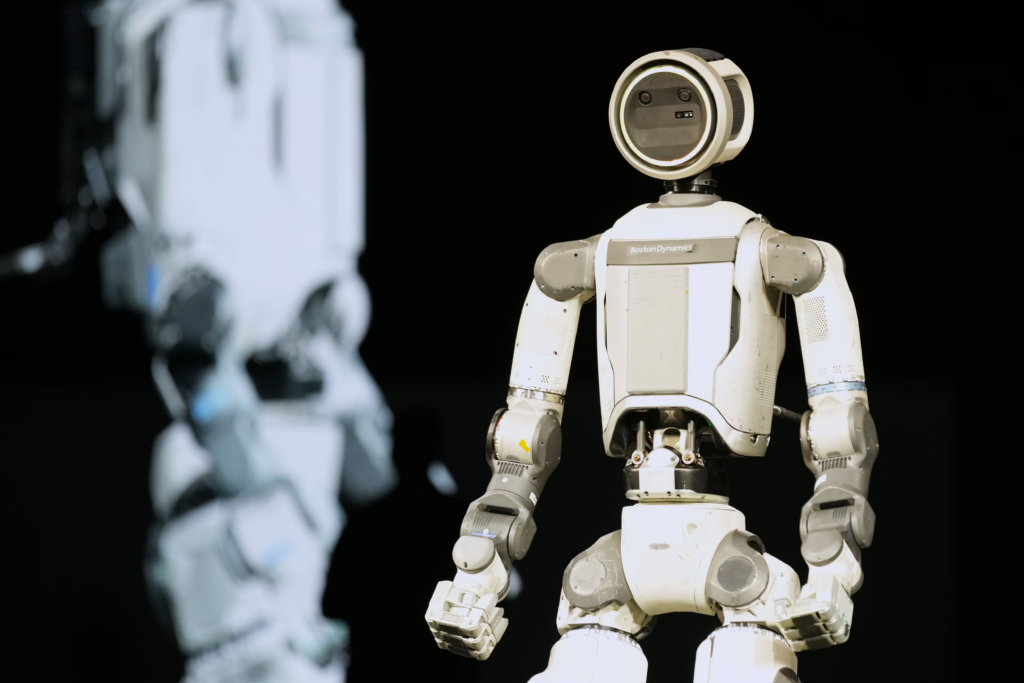
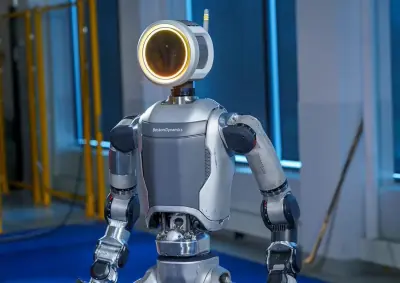
A huge part of the Hyundai human robots plan comes from buying Boston Dynamics back in twenty twenty one. That purchase gave the company access to high tech mobility systems like Atlas which is a next generation machine that can walk carry heavy objects and use complex tools much like a real person. Atlas relies on smart sensors movement controls and computer vision to handle difficult factory jobs safely without getting confused by sudden environmental changes.
Read Also: Data Safety Signs: 6 Ways to Know Your Personal Info Is at Risk
Having Hyundai human robots working inside modern plants is expected to boost efficiency and protect human employees from hazardous physical labor. Officials say these machines will handle heavy lifting repetitive sorting and moving raw materials across assembly lines. The goal is not to fire all human employees completely but to build a smooth cooperative environment where workers supervise the automated systems and handle complex problem solving tasks that require real human judgment.
Hyundai human robots plan: Supply chains supporting the Hyundai human robots plan
To make the Hyundai human robots plan financially realistic the manufacturer wants to build its own complete supply chain for every single part. That means manufacturing custom electric motors precise sensors and control software in house to bring down the high price of each unit. Using existing knowledge from making passenger cars gives the company a massive head start because modern electric vehicles and smart machines share similar computer chips energy systems and real time data processors.
This ambitious push places the automaker in direct competition with major tech rivals like Tesla which is developing its own Optimus machine for industrial tasks. Major global corporations view physical artificial intelligence as the next massive step in commercial tech development because smart machines can understand direct commands and navigate unpredictable work environments easily.
Overcoming hurdles facing Hyundai human robots
Putting Hyundai human robots into mass production still comes with huge technical and financial hurdles that need fixing. Building reliable hardware that can operate safely alongside human workers for hours without failing costs a massive amount of money. Many industry analysts still wonder if these expensive machines can actually deliver a fast return on investment compared to standard industrial arms that factory owners have relied on for decades.
Labor unions and industrial workers also worry about how the Hyundai human robots will affect real world jobs in manufacturing towns. While corporate executives insist that automation will create fresh technical roles in machine maintenance programming and logistics management many factory workers worry about reduced shift hours or lost jobs. Navigating these worker concerns will be just as important as solving the mechanical software challenges over the next few years.
Read Also: Is AI accountability escaping?
If the Hyundai human robots plan succeeds in producing tens of thousands of working units every year it could completely transform global manufacturing. Moving advanced automation out of research laboratories and straight onto active factory floors marks the start of a whole new industrial era where smart software meets heavy mechanical power.