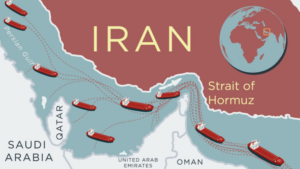


Strait of Hormuz shipping routes have changed completely after high military tension broke out across the region. Ships that used to cross this narrow passage every single day are now turning back or waiting in safe waters far away. Data shows that daily vessel traffic dropped from around one hundred twenty ships down to less than eleven ships during the worst parts of the crisis. Captains and shipping companies feel terrified of potential attacks or sudden military strikes while moving near conflict zones. Because of all this fear global oil trade has taken a massive hit and logistics companies are searching for alternative ways to move goods safely.
Read Also: Can Trump Enforce a Strait of Hormuz Toll?
How Strait of Hormuz shipping routes are managed during crisis
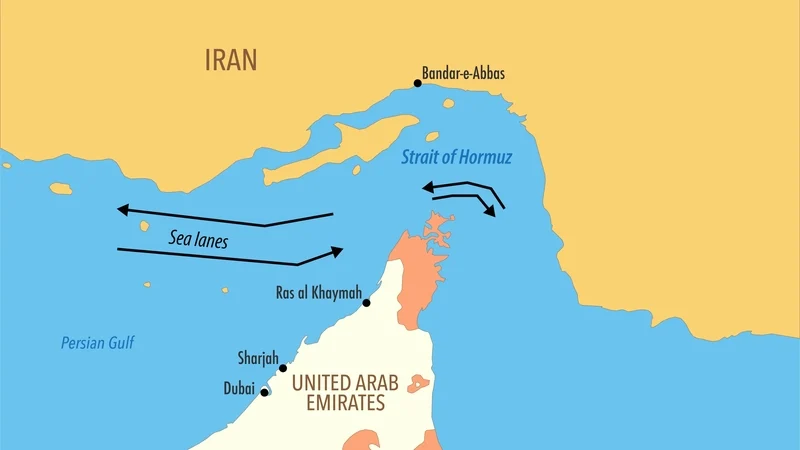
Regional leaders have been trying hard to find ways to organize Strait of Hormuz shipping routes so trade does not stall forever. Oman put forward different ideas to manage traffic safely and keep commercial tankers away from dangerous military spots. But agreeing on who controls which lane is super hard because Iran insists on managing passage rules near its northern territorial waters. The whole situation has made maritime traffic messy with many commercial crews refusing to sail until clear safety guarantees are given by international authorities.
Why this narrow passage matters for world energy
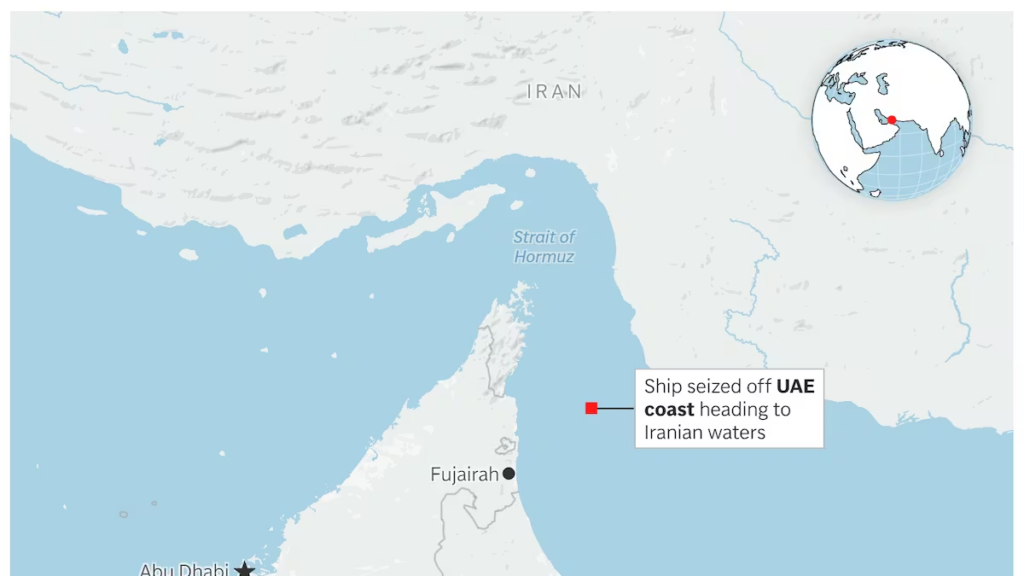
When you look at the Strait of Hormuz shipping routes on a map you see how tiny and vital this waterway really is for the global economy. Millions of barrels of oil move through here every single day to supply energy to countries all around the world. Having military ships patrolling the water makes commercial captains nervous because any small mistake could spark a whole new conflict. Insurance costs for shipping companies have gone up like crazy which makes sending oil tankers through the region extremely expensive right now.
Ongoing diplomatic efforts and security debates
The main issue holding back standard Strait of Hormuz shipping routes is the lack of trust between all involved nations. Negotiations hosted by Oman are attempting to set up temporary guidelines to separate incoming ships from outgoing traffic safely. However political disagreements keep stalling progress as each government wants to protect its own borders and economic control. Until diplomats settle on clear terms for international passage major shipping lines will keep avoiding these dangerous waters whenever possible.
Read Also: Straits of Hormuz crisis: Why are sailors trapped in the Gulf?
Impact of military pauses on commercial traffic
A temporary pause on military strikes gave hope that Strait of Hormuz shipping routes could slowly get back to normal operations. But shipping companies know that a quick pause does not equal a long term peace agreement. Owners are watching daily news reports very carefully before deciding whether to send expensive vessels through the narrow channel again. Every delay at sea costs millions of dollars for global businesses and creates uncertainty for consumers relying on steady fuel shipments worldwide.
What the future holds for maritime trade
Restoring regular Strait of Hormuz shipping routes will depend heavily on whether current talks in Oman yield real success. If diplomats can agree on clear safety protocols commercial tankers might start returning in larger numbers over the coming weeks. However if negotiations fall apart and military threats return traffic levels could stay extremely low for a very long time. For now the entire global shipping industry remains on high alert waiting to see what happens next in this critical sea passage.
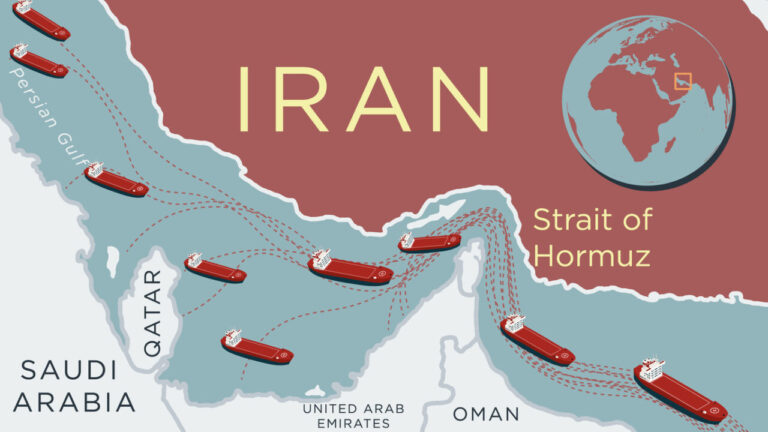
In the end Strait of Hormuz shipping routes remain the primary economic lifeline for global energy trade and regional stability. Finding a peaceful resolution to manage these waters safely is the only way to get ships moving again without fear of sudden attacks.
Read Also: Will US Iran Treaty Collapse Over Hormuz Fees?
Everyone hopes that ongoing diplomatic talks will fix the traffic flow so daily supply chains can return to normal soon.