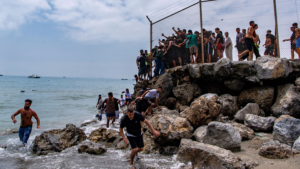

Ceuta border crisis became much worse after regional governor Juan Jesus Vivas reported during a European Parliament meeting that around one hundred people died during the recent mass migrant crossing Attempts by thousands of people to reach.
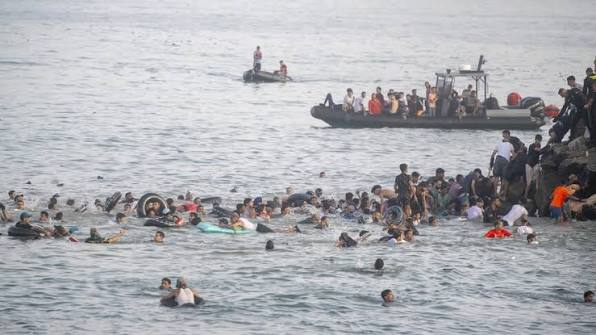
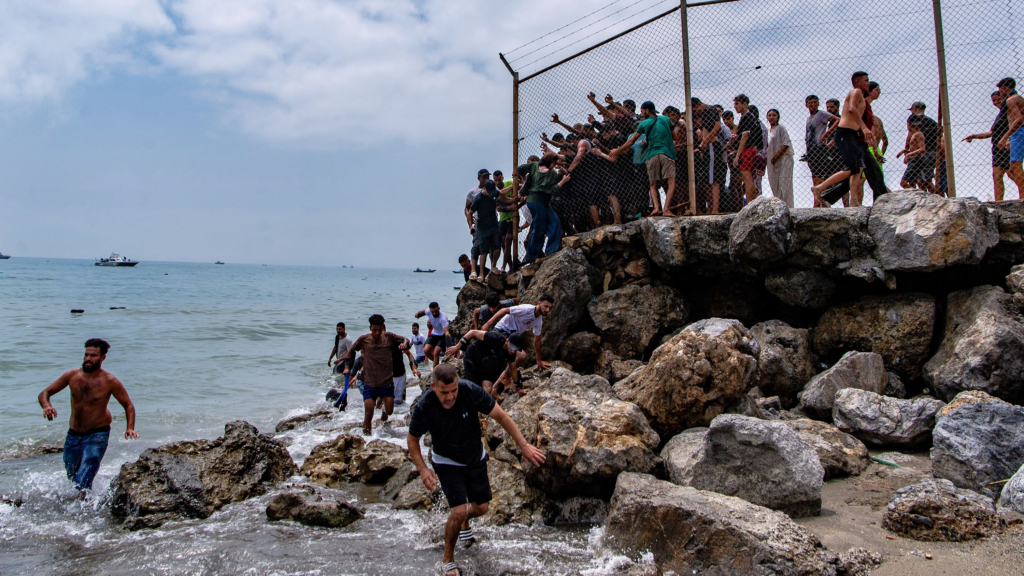
The Spanish territory have pushed local public services past their breaking points and sparked heated debates across major European capitals Right now between three thousand and five thousand migrants remain inside the enclave while authorities try to process their information and manage emergency housing options Local workers find it very difficult to handle basic healthcare needs and food distribution because center capacity limits were exceeded almost instantly.
Read Also: Ceuta border crisis sparks hate speech debate
Madrid announced that it successfully sent back seventy thousand out of seventy two thousand migrants who entered Ceuta border crisis back in late July The sudden arrival of so many individuals raised immediate concerns among neighboring EU governments who called on Spain to take a much tougher stance against illegal immigration Local officials in the enclave stated that they are currently taking care of over eleven hundred unaccompanied minors despite having a official capacity limit of just ninety children.
Ceuta border crisis and the humanitarian strain on local centers
Addressing the Ceuta border crisis has proven to be an overwhelming challenge for local healthcare workers and shelter managers Governor Vivas warned that the current arrangement is completely unsustainable and creates huge risks for public safety and order inside the city Limits on physical space mean that reception centers are overcrowded making it nearly impossible to maintain safe living conditions for young arrivals.
Read Also: Spain–Africa Summit 2025: Highlight on Somalia National Transformation Plan
While Spanish authorities report high death tolls from the recent events the Moroccan Interior Ministry provided different statistical figures according to their own surveillance systems Moroccan officials reported that around forty thousand people attempted to cross toward Ceuta while over eleven hundred individuals tried to head toward the neighboring territory of Melilla Their statements recorded eleven deaths linked to illegal migration attempts including ten drownings and one fatal fall near border fences.
- Mass return efforts: Spanish authorities sent back thousands of migrants to Morocco
- Overcrowded youth centers: Over eleven hundred minors are staying in facilities meant for ninety
- Mounting death count: Reports indicate around one hundred fatalities from recent border crossings
- High security risks: Local leaders warn that overcrowded centers endanger public order
- Conflicting official stats: Moroccan reports record lower numbers of crossing attempts and deaths
Disagreements over official statistics and safety measures
The ongoing Ceuta border crisis highlights how vulnerable coastal enclaves are when border tensions rise unexpectedly Neighboring European nations are demanding stricter border enforcement while humanitarian groups stress the importance of protecting vulnerable children and providing basic emergency care Many families living inside the enclave express deep concerns about safety as emergency services struggle to manage daily logistics and healthcare needs.
Challenges in managing unaccompanied child migrants
The situation regarding unaccompanied minors remains one of the most difficult issues for city leaders Local shelters do not have enough beds blankets or staff members to look after hundreds of young people who arrived without parents Social workers are trying their best to set up temporary tents and organize daily meals but resources are running out fast.

European response and funding needs for border management
European leaders are holding urgent discussions to decide how to assist Spain with funding and logistics Officials know that without a long-term solution more people will attempt dangerous sea journeys to reach European shores Finding a balanced approach that secures borders while respecting human rights remains a top challenge for every government involved.
Long-term outlook and search for sustainable policy solutions
In conclusion the Ceuta border crisis shows how quickly a regional migration event can turn into a major political and humanitarian emergency With reception centers completely full and death tolls rising local authorities need immediate help from international partners.
Read Also: Benjamin Netanyahu Trump Meeting: Key Topics in Washington
To restore stability local leaders must work closely with neighboring countries to secure borders manage migration flows humanely and protect vulnerable lives effectively.