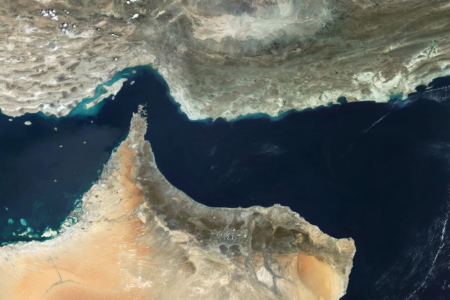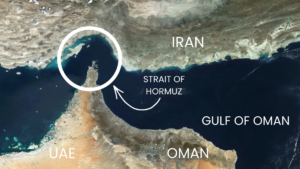


Strait of Hormuz conflict remains the most dangerous flashpoint in the Middle East right now. Tensions between Washington and Tehran are getting worse as both sides trade threats over this vital waterway. The whole situation feels very fragile and one small mistake could easily start a much bigger war.
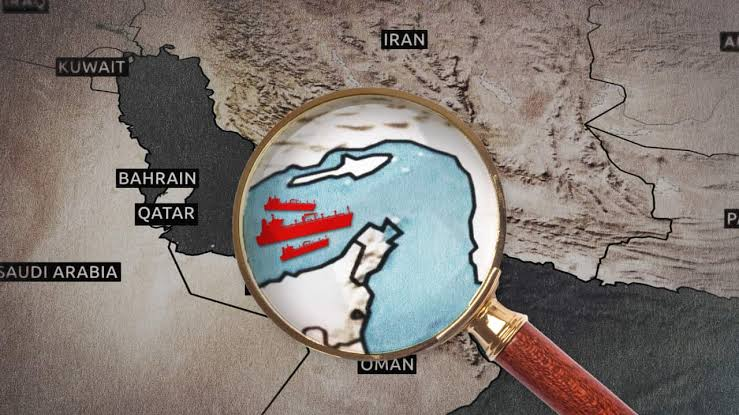
American officials keep saying the strait stays open for shipping while other reports say a blockade is still happening. At the same time Iran says things will only calm down if the US lifts harsh economic sanctions and stops all military actions in the area.
Political experts have very different ideas about where this crisis is heading next. David Ramadan who teaches political science thinks Donald Trump still wants to reach a deal with Tehran despite his tough speeches. He believes Trump uses the threat of war mainly as a way to force a new agreement. Even without official talks diplomatic communication continues through channels like Jared Kushner and helpful mediators in Oman Qatar Pakistan and Iraq.
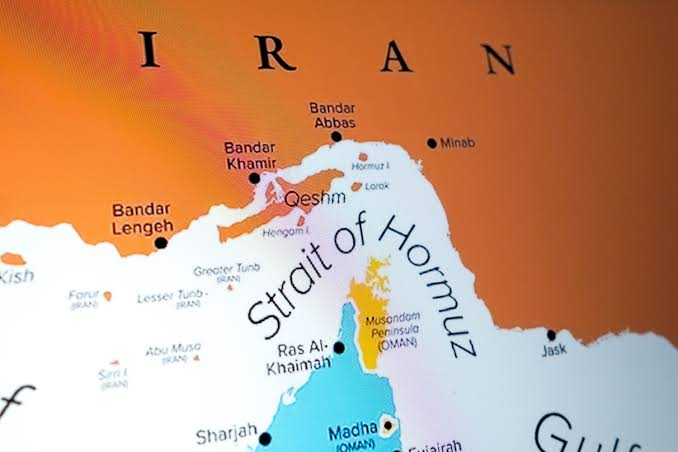
Read Also: Can Trump Enforce a Strait of Hormuz Toll?
On the other hand political analyst Saleh Al Qazwini believes Iran stuck to early agreements while Washington broke them. He says Trump backed out of commitments after facing strong pressure from inside his own government. But legal scholar Hussam Jaber disagrees with this view completely. He points out that the US lifted blockade measures right after agreements were signed while Iran kept targeting ships near the UAE Oman Bahrain and Kuwait.
Strait of Hormuz conflict highlights deep divisions
The fundamental red lines for both countries make finding a peaceful solution very hard. Washington used to focus mostly on the Iranian nuclear program but now protecting free movement for ships in the strait is just as important. From a legal standpoint the regional agreements do not give Iran sovereignty over the waterway or any right to collect transit fees from passing ships. International security expert Elie El Hindi notes that Washington will always reject any Iranian attempts to claim control or charge money in these waters.
Inside Iran the political situation looks complicated too. Some analysts say the regime suffers from competing power centers and lacks clear leadership. Others argue that claims of deep division are just Western propaganda meant to hide the failure of sanctions. They insist the government stays united even if leaders like Mohammad Bagher Ghalibaf and Abbas Araghchi have different styles.
Read Also: Strait of Hormuz Shipping Routes Shift Amid Military Tensions
Still experts generally agree that the Strait of Hormuz conflict makes a complete peace deal almost impossible. If Tehran gives up its nuclear program its regional influence and its grip on the strait the regime would lose its core political identity after decades of propaganda.
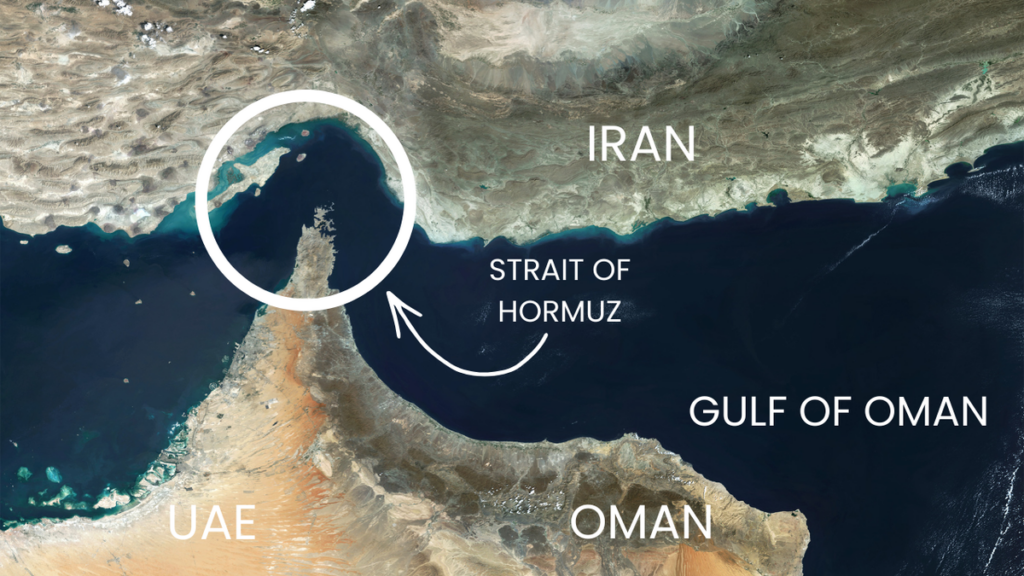
Read Also: Will Strait of Hormuz transit fees reshape global shipping?
The Strait of Hormuz conflict remains a primary concern for international stability as both nations weigh their strategic options. Both sides might end up just freezing the crisis instead of solving it completely because a full resolution seems out of reach for now. Washington wants to avoid a massive war that could send global oil prices soaring past 150 dollars per barrel while managing regional alliances. Meanwhile bad economic pressure and a falling currency put huge stress on Tehran which limits its options.
The ongoing Strait of Hormuz conflict forces military planners on both sides to calculate every movement very carefully. Iran might try small calculated escalations to get the US back to negotiations without triggering an all-out military response. Each incident in the Strait of Hormuz conflict risks accidental escalation that neither side actually wants.
Furthermore the Strait of Hormuz conflict disrupts international shipping lanes and creates massive uncertainty for global energy markets. Ultimately the Strait of Hormuz conflict could lead to a long cold war with periodic military strikes unless a real diplomatic breakthrough happens.