
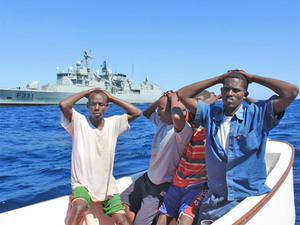


Somali pirate attacks threaten commercial vessels moving through the Horn of Africa as armed groups continue taking control of international cargo ships. Modern maritime security agencies like UKMTO and the European Union Naval Force reported a brand new incident near the Maraayi region. Eight armed attackers managed to board a commercial ship without warning causing widespread fear across the entire shipping industry. The crew members remain safe inside the vessel for now while international naval units observe the situation from a safe distance.
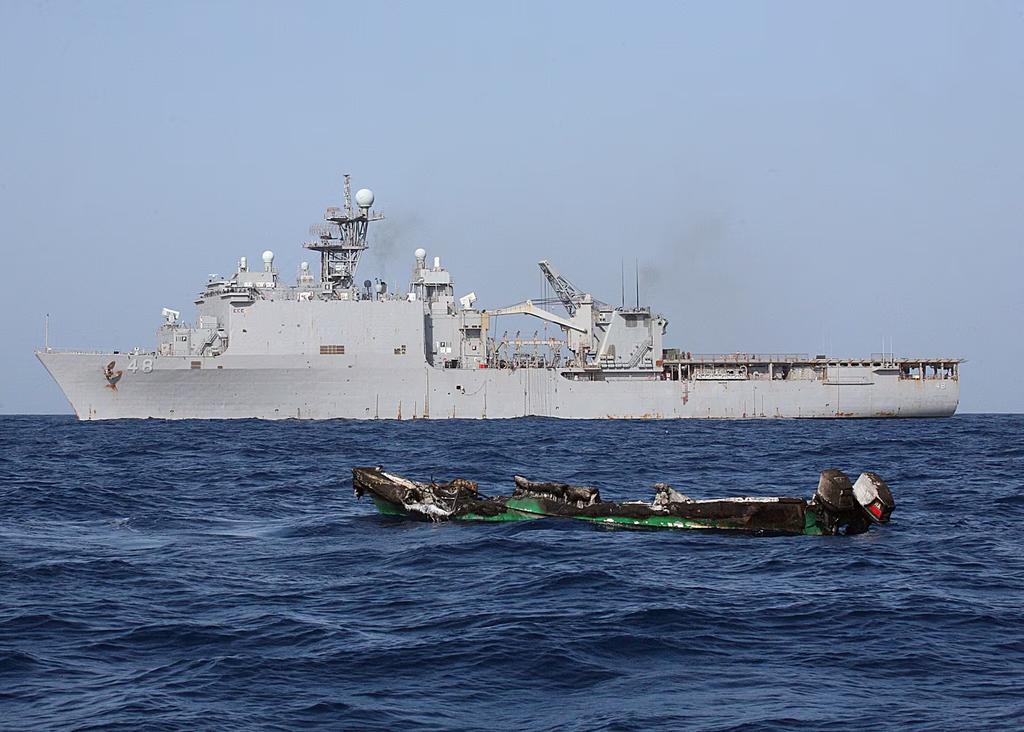
Read Also: SUSPECTED SOMALI PIRATES SEIZE AND ABANDON YEMENI FISHING BOAT
This recent incident marks the fifth major hijacking reported in the region during recent months. For many years international patrols kept these dangerous waters mostly quiet and safe for big trading companies. However local groups have returned to old habits by targeting vulnerable tankers carrying valuable oil chemical supplies and farm fertilizers. These sudden commercial ship captures create major logistical headaches for captains who must navigate around unstable coastal zones.
Why Somali pirate attacks threaten regional security and international trade
Somali pirate attacks threaten global commerce because cargo ships carry essential goods energy supplies and raw materials between continents everyday. When armed groups capture vessels transport costs rise sharply due to higher insurance rates and longer detour routes around southern Africa.
Major reasons why these maritime incidents cause severe global disruption include:
- Somali pirate attacks threaten crew safety and force ships to hire private security guards
- Shipping companies pay higher insurance fees to cover risky passage through dangerous zones
- Cargo delays impact global supply chains and increase final prices for everyday consumers
Naval observers note that the resurgence of armed hijackings creates extra pressure on global shipping routes. With key waterways like the Strait of Hormuz facing blockages and ongoing political issues trade operators depend heavily on the Red Sea and western Indian Ocean. Armed hijackers exploit these crowded shipping corridors knowing that naval ships cannot guard every single square mile of open water simultaneously.
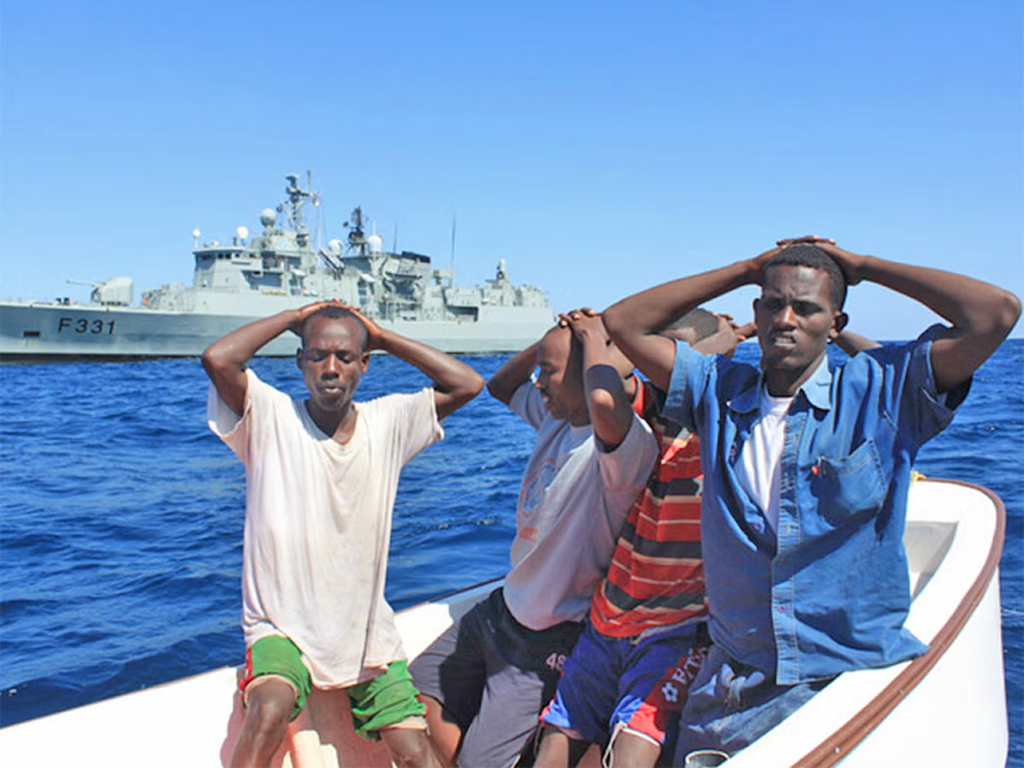
Read Also: Suspected pirates hijack Yemeni fishing boat off Somali coast
Somali pirate attacks threaten long term economic stability for neighboring nations as well. Local port authorities lose business when international transport lines decide to avoid local harbors entirely. Security experts urge maritime companies to update their defensive protocols install extra safety equipment and maintain direct communication channels with regional naval monitoring centers.
Local naval forces lack the heavy equipment required to patrol huge ocean zones without foreign assistance. While international coalitions helped stop similar incidents back in 2011 current geopolitical shifts have drawn attention away from local coastal surveillance. Armed groups take full advantage of these security gaps by launching quick operations from remote coastal hideouts using small fast boats equipped with heavy ladder gear.
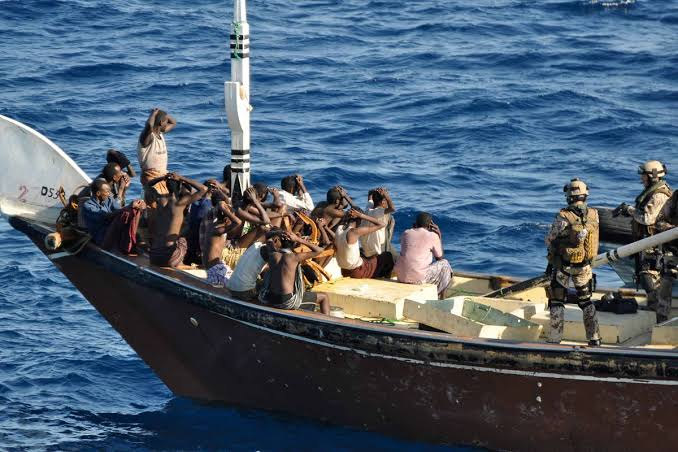
Read Also: EUROPEAN NAVAL FORCE FREES YEMENI FISHING BOAT SEIZED BY SUSPECTED SOMALI PIRATES
The international community must unite to establish stronger naval presence and better satellite tracking across high risk corridors. Until permanent safety measures are restored commercial vessel crews face ongoing danger while crossing critical waterways. Somali pirate attacks threaten to remain a persistent headache for global trade unless global powers commit to long term security investments in the region.