


Somali fish exports is a fresh trade development that will start next month between Somalia and China. Beijing decided to grant tax free access to seafood products from several African nations allowing local traders to enter one of the largest consumer markets globally. The official deal was signed in Mogadishu by the Somali Minister of Fisheries and the Chinese Ambassador. Officials hope this agreement will bring in valuable foreign investment and build new business opportunities.

Read Also: Why Did Puntland Security Forces Seize Bosaso Base?
This new deal for Somali fish exports is seen as a huge step toward building up the national blue economy. Local business owners are excited about finding new international buyers for their fresh seafood items. Here are four key points about how this agreement works and what challenges lie ahead for local fishing teams.
1. Somali fish exports and the new duty free agreement with China
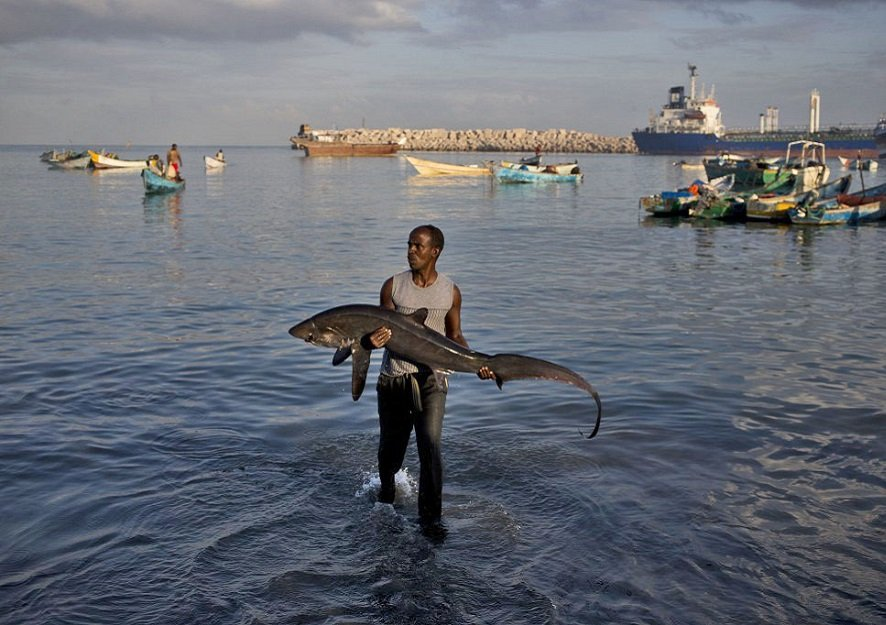
Somali fish exports is entering a brand new phase thanks to the removal of import taxes by the Chinese government. Tax free access means that local sellers can keep their prices low and compete with big seafood exporters from other countries. Officials from the ministry of fisheries explained that opening up the Chinese market will help modernise local fishing networks across coastal towns.
Local business leaders view this agreement as a golden opportunity to sell seafood products abroad on a large scale. Expanding into eastern markets allows local companies to generate steady income and bring needed foreign currency into the country.
2. Opening giant international markets for local traders
Accessing the massive Chinese market offers local companies a reliable customer base for various seafood items. Demand for fresh ocean products in Asian cities is extremely high every single year. Having direct trade channels makes it much easier for small coastal businesses to expand their daily operations.
Read Also: Puntland Security Surrender: How Will It Shift Somalia’s Power?
Creating these trade pathways also encourages local fishermen to catch more seafood and adopt better business practices. As trade grows more families in coastal communities will gain steady financial support from their daily sea catches.
3. Somali fish exports: Creating new job opportunities and attracting investments
The newly signed trade deal is expected to create thousands of fresh jobs in processing shipping and ocean transportation. Foreign investors are looking at building processing plants along the long coastline to prepare seafood for international air cargo.
More jobs in coastal regions will improve living conditions for young people who need steady work. Setting up modern processing facilities near harbors will also upgrade local infrastructure and boost secondary industries like packaging and transport.
4. Overcoming production challenges and quality standards
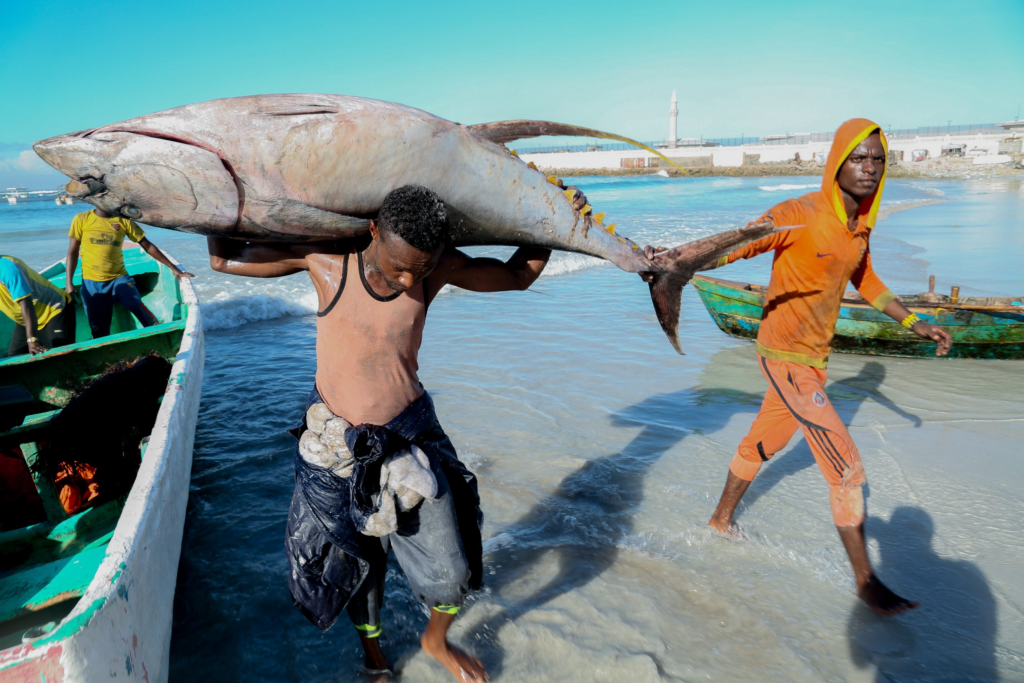
Despite the great opportunity local fishing companies face several big hurdles before sending huge shipments overseas. Somalia currently has limited fish production capacity and lacks high tech processing plants near major ports. Seafood products must also meet strict international quality and safety rules set by Chinese food inspectors.
To overcome these problems local traders must invest in cold storage units refrigerated trucks and proper processing equipment. Meeting strict health standards is essential to maintain long term trade partnerships with foreign buyers.
Read Also: Galkayo clash incidents: What Caused the Fighting?
Somali fish exports: Final thoughts on the future of seafood trade
The duty free agreement with China offers a promising chance to transform the national fisheries sector into a major income generator. Overcoming production bottlenecks and improving quality standards will determine how much local traders benefit from this deal. With proper investment in cold chains and modern gear Somali fish exports will play a major role in driving economic growth in the region.