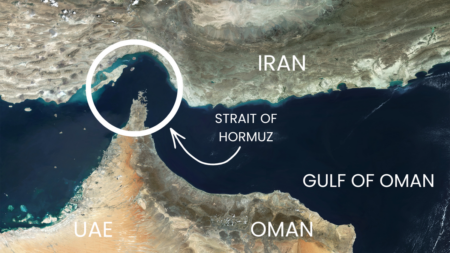



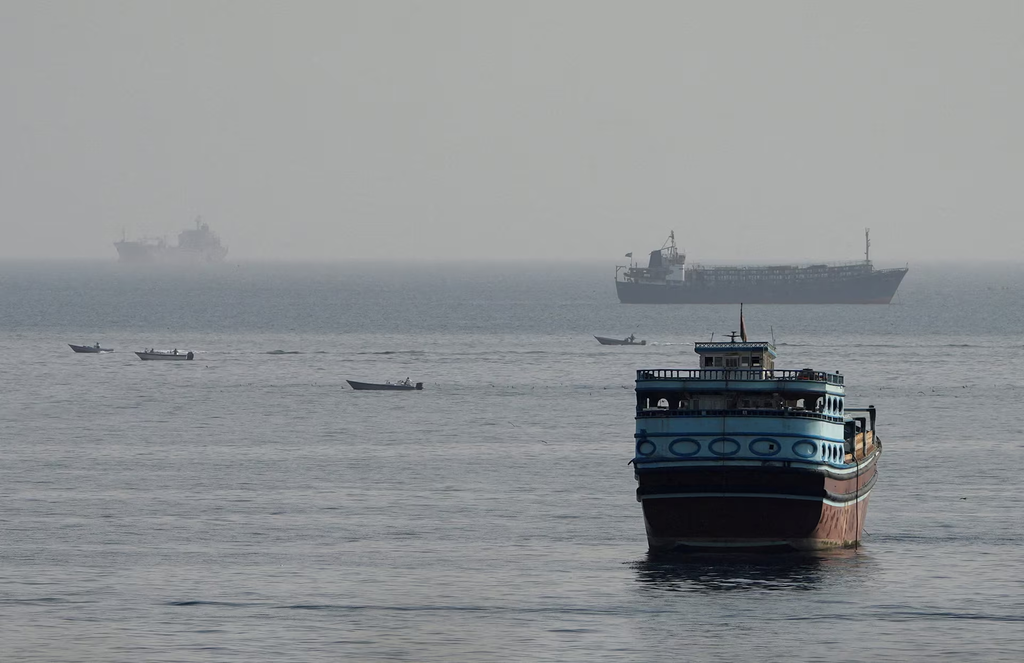
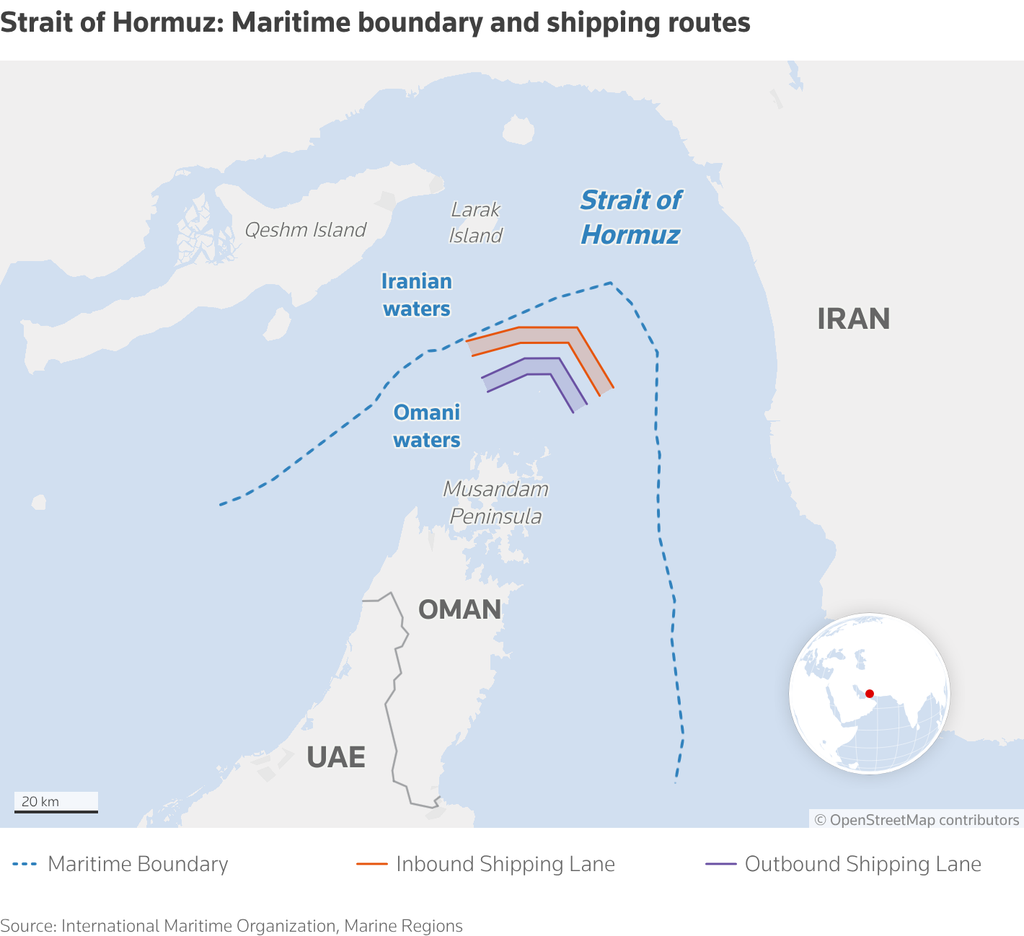
secret shipping corridor changes global energy transit as American naval forces secure alternative southern routes through critical Middle Eastern waters. Tensions between Washington and Tehran continue over who controls the Strait of Hormuz where millions of barrels of crude oil pass through every single day. US officials claim that establishing this hidden lane weakened Iranian attempts to disrupt commercial traffic while boosting overall vessel volume. Heavy naval escorts monitor passing cargo ships to ensure smooth energy shipments to international markets worldwide.
Read Also: What is causing the sudden navigation drop in Strait of Hormuz?
Read Also: Strait of Hormuz Conflict: Shaping US-Iran Relations
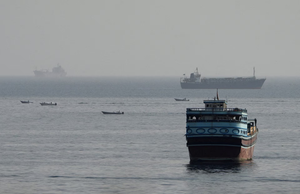
Naval patrols protect commercial tankers from potential harassment or interception by regional military boats operating nearby. Securing southern water passages allows commercial shipping lines to bypass high risk zones without paying extreme maritime insurance premiums. Foreign trade partners depend heavily on open energy routes to maintain stable fuel prices and support global economic growth.
Why secret shipping corridor changes global security strategies along vital trade routes
secret shipping corridor changes naval power balances because constant military surveillance keeps strategic choke points safe for international oil tankers. Having dedicated protection zones prevents unexpected maritime blockades that could paralyze foreign fuel markets overnight.
Read Also: Strait of Hormuz Shipping Routes Shift Amid Military Tensions
Key factors behind new maritime security strategies include:
- secret shipping corridor changes tanker routes by providing secure naval coverage away from hostile shorelines
- Heavy military presence prevents regional armed groups from seizing commercial cargo ships
- Uninterrupted oil transport keeps global energy prices stable during periods of high political tension
Naval commanders utilize advanced satellite tracking and armed surface escorts to guide large tankers through narrow ocean passages. Maintaining continuous radio contact with commercial captains helps military teams respond instantly to any suspicious boat activity. These protective measures reassure major trade partners that critical fuel supplies will reach global ports on schedule.
secret shipping corridor changes long standing geopolitical dynamics as regional powers adjust to increased foreign military presence inside local waters. Iranian military leaders view these protected routes as an intrusion into their traditional zone of influence leading to frequent verbal warnings and military drills. However shipping companies prefer using guarded shipping channels because maintaining crew safety remains their highest priority.
Sustaining long term naval operations in distant ocean zones requires massive logistical support and continuous fleet rotations. American defense planners coordinate closely with local Gulf allies to maintain fueling stations satellite coverage and emergency repair docks along the southern coastline. This cooperative defense network strengthens regional partnerships while keeping vital shipping lanes open for global commerce.
Future stability inside the Strait of Hormuz depends on whether military deterrence can prevent open conflict along busy energy routes. As global energy demand continues rising keeping these narrow maritime corridors safe stays critical for international economic stability. Using protected southern routes proves that strategic planning can safeguard vital trade networks even during periods of extreme regional uncertainty.