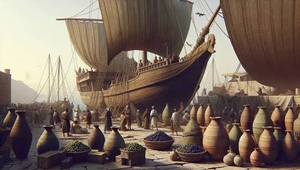



Maritime trade routes connected different parts of the world hundreds of years ago and completely changed how people live their everyday lives. When sailors traveled across large oceans on wooden ships they brought new plants spices and cooking ideas from far away continents to distant shores. Because of maritime trade routes people in Europe tasted sweet potatoes tomatoes and cocoa for the very first time while Asian communities received new grains and cooking oils.
Spices like black pepper cinnamon and cloves became extremely popular because they added amazing flavors to basic meals and preserved meat for long periods. Traders built vast networks to exchange food goods so families could enjoy diverse meals that were impossible to grow in their local soil. Today almost every popular dish we cook at home contains ingredients that moved along maritime trade routes long ago.
Read Also: What are weird Somali games that kids played in the old days
Maritime trade routes influenced global clothing styles and traditional fabrics
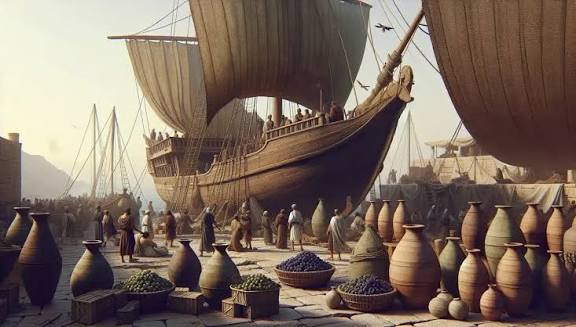
Clothing and fashion also went through a massive transformation as ships moved raw materials and luxury textiles across international waters.
Read Also: Delicious Somali food the World Still Doesn’t Know About
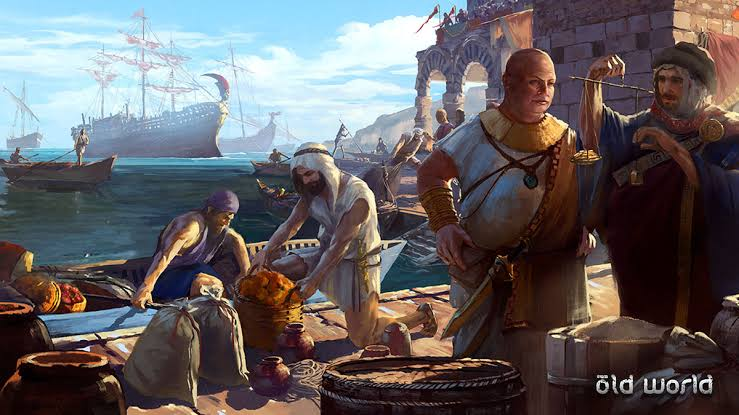
Language and daily speech changed just as dramatically as food and fashion due to constant contact between visiting sailors and local shopkeepers. When ships anchored in foreign ports merchants had to invent new words and simple mixed languages to buy and sell their goods without misunderstandings. Hundreds of common words used today for food items clothes and sailing tools actually traveled along maritime trade routes before entering national dictionaries.
Words like tea coffee sugar and cotton were passed from one coastal town to another until entire nations adopted them into daily conversations. Even grammar styles and local slang were influenced by visiting crews who spent months living alongside native residents in busy port cities.
Read Also: Somali marriage customs: 4 weird traditions still alive ?
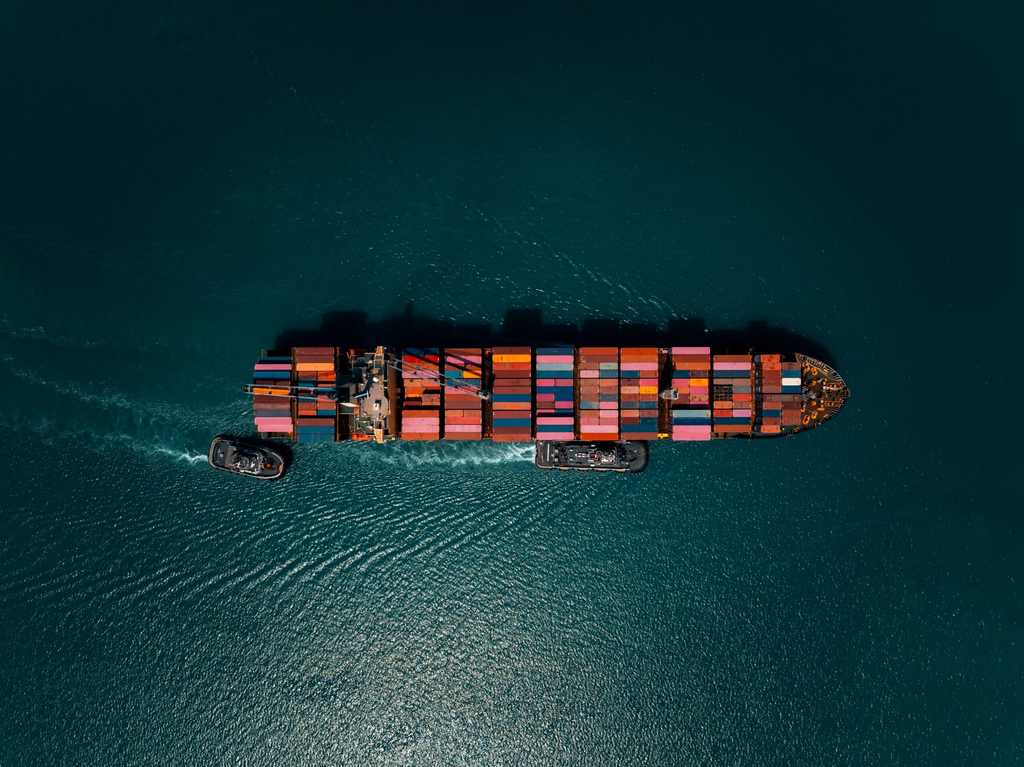
Looking back at history shows that human culture is a beautiful mix of ideas shared by travelers over many centuries. Without maritime trade routes our daily meals would be far less flavorful our wardrobes would lack rich colors and our global languages would be completely different. The exchange of everyday goods helped people understand distant neighbors and built strong economic ties that shaped our modern connected world. Even today giant cargo ships follow those historic ocean paths carrying fresh food modern textiles and new ideas to every corner of the earth.