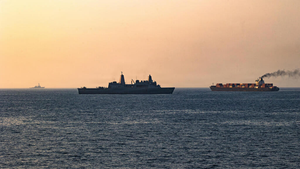



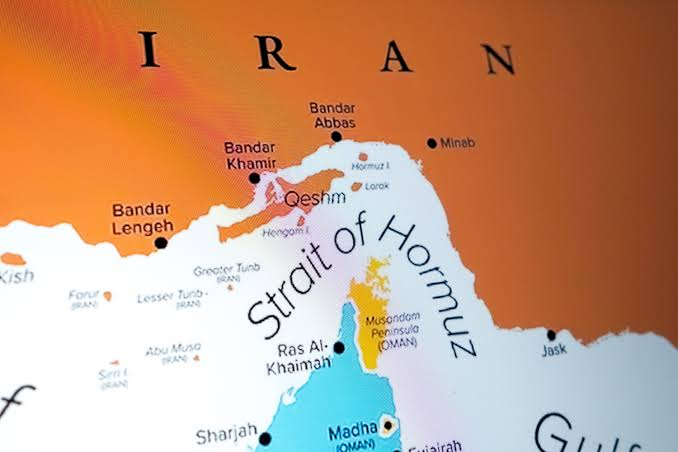
The Strait of Hormuz conflict remains a central issue in Middle East stability as high ranking officials outline new terms for maritime trade. Mohsen Rezaei who serves as the secretary of Iran Supreme National Security Council announced a temporary shipping lane agreement with Oman. This corridor runs through the territorial waters of both nations and is jointly managed to control ship entries and exits. However full access through the waterway depends entirely on how the United States responds to regional demands. Understanding Hormuz conflict requires looking at both international trade rights and broader military actions across West Asia.
Read Also: Strait of Hormuz Conflict: Shaping US-Iran Relations
Key issues behind the Strait of Hormuz conflict
The Strait of Hormuz conflict is deeply connected to military actions happening throughout the wider region. Iranian officials state that reopening the waterway completely requires stopping the war in Gaza and ending military actions in Lebanon. They also demand the withdrawal of Israeli forces from occupied territories in Lebanon and an end to attacks on Syria. These points show how energy supply lines are tied to political stability in neighbor countries.
The role of regional security in the Strait of Hormuz conflict
Safety in regional shipping lanes cannot be separated from overall security in nearby countries. When security fails in one state it raises investment costs and harms economic growth for everyone around it. Oman has stepped in to help manage the temporary lane to keep basic trade moving through the middle of the waterway. Yet the deep lack of trust between Tehran and Washington makes long term solutions hard to reach without clear proof of compliance.
Read Also: Secret Shipping Corridor Changes Control in Strait of Hormuz
Economic impact of the Strait of Hormuz conflict
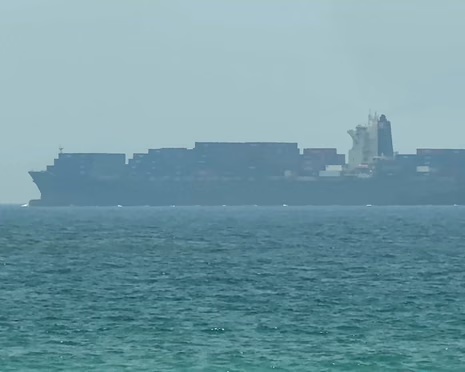
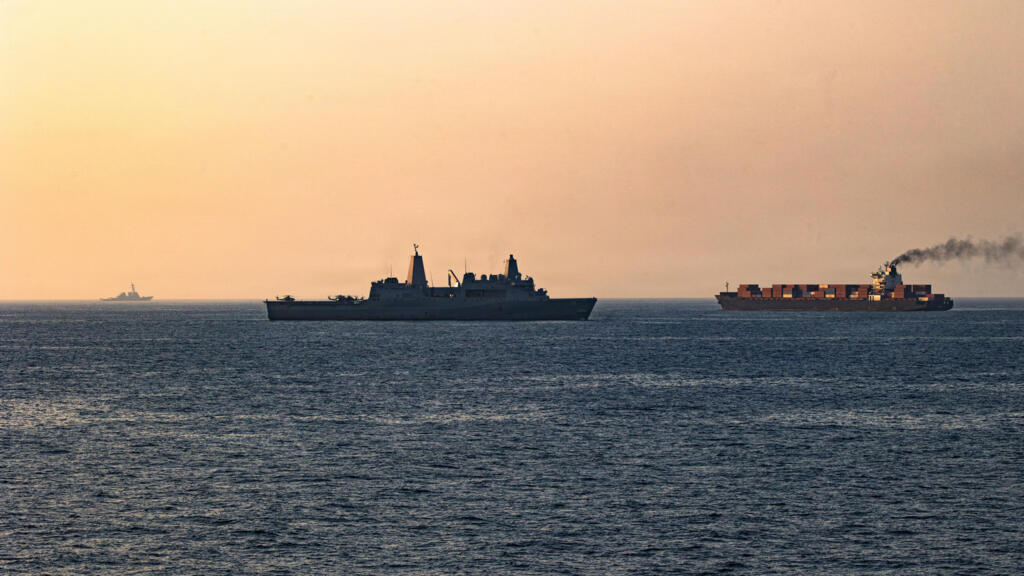
Global markets closely watch every update regarding ship passages because millions of barrels of oil travel through this point daily. The agreement on a limited lane helps ease immediate pressure on shipping companies but it does not remove overall uncertainty. Business leaders hesitate to send valuable cargo through routes where access rules can shift based on political developments. Until permanent terms are set shipping costs and insurance rates will stay high for international carriers.
Diplomatic pathways to resolve the Strait of Hormuz conflict
Diplomats from neighboring countries like Qatar and Oman are working to create lines of communication between all parties involved.
Read Also: Global Shipping Traffic Dropping in the Strait of Hormuz?
Officials note that returning to diplomacy is possible if key demands regarding regional peace are taken seriously by Western powers. Building trust will require direct steps rather than simple verbal promises given the history of tensions in the area. A peaceful outcome relies on balancing local sovereignty with global economic interests.