


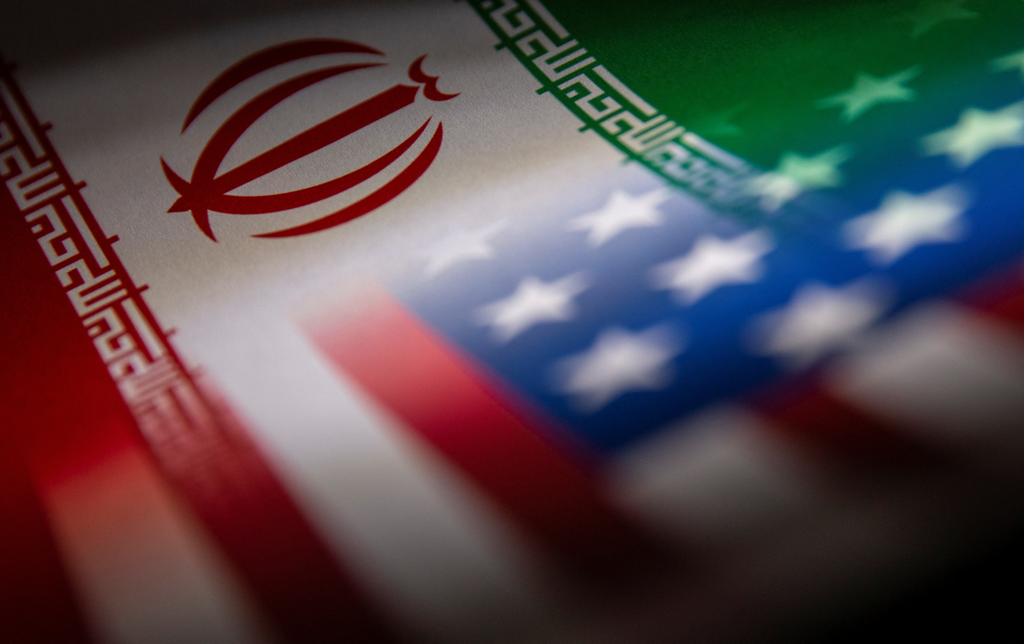
US Iran sanctions policy continues to define the relationship between Washington and Tehran as official statements confirm that no diplomatic talks are happening right now. The White House made it clear that maximum pressure will remain the primary approach until the Iranian government shows real readiness for effective negotiation. Officials believe these strong economic measures are forcing Tehran into a difficult position as high inflation hits the local economy hard.
Read Also: Iran NPT Exit: Why Officials Call for a Dramatic Move
According to White House press secretary Karoline Leavitt the administration focuses heavily on a targeted economic isolation campaign to tighten trade restrictions. This US Iran sanction policy initiative pushed by Treasury Secretary Scott Bessent aims to cut off key revenue streams that keep the government operating. American officials claim the economic hardship inside Iran is rising fast with reports of delayed paychecks for state workers and basic security forces.
US Iran sanctions policy and future diplomatic options
When asked about potential diplomatic paths the administration repeated that formal talks will not restart until specific political requirements are met. The implementation of US Iran sanctions policy serves as the main tool to push Iranian leaders toward agreeing to tougher terms. President Donald Trump retains total authority over any future dialogue and insists that Washington must see genuine intent before scheduling meetings.
Supporters of this strategy argue that heavy financial pressure gives the United States better leverage during future diplomatic encounters. Under current US Iran sanctions policy guidelines the goal is to make the economic cost of non compliance far too expensive for Tehran to sustain over time. International observers watch closely to see if these strict measures will force a policy shift or cause further regional tension.
Read Also: Strait of Hormuz Conflict: Shaping US-Iran Relations
The White House maintains that economic containment is the most reliable way to handle regional issues without jumping into direct military action. By expanding US Iran sanctions policy measures Washington hopes to limit the resources available for foreign military funding and domestic security apparatus. The effectiveness of this approach remains a central topic of debate among global political experts and regional analysts.
Global markets are keeping a close watch on how these dynamic diplomatic conditions affect international oil prices and trade routes. A strict US Iran sanctions policy alters shipping routes and creates new economic complications for countries buying energy in the region. Many nations are currently trying to figure out how to handle their trade relations without running into severe penalties from Washington.
Read Also: US Iran Conflict: Why Region Faces Escalation?
As the current political situation stays tense no immediate resolution seems likely without big changes from both sides. The continued expansion of US Iran sanctions policy shows that Washington intends to stick with its strategy for the foreseeable future. How Tehran responds to these growing economic pressures will ultimately decide the next chapter of international relations in the region.