

Secret Somali cultural rules shape the daily lives of millions of people across the Horn of Africa in ways that foreign academic books completely fail to capture, When tourists or researchers read regular history books they usually focus on political wars droughts or modern government struggles, However real life inside a traditional home or a desert village relies on a complex web of unwritten social agreements hospitality laws and ancient oral wisdom
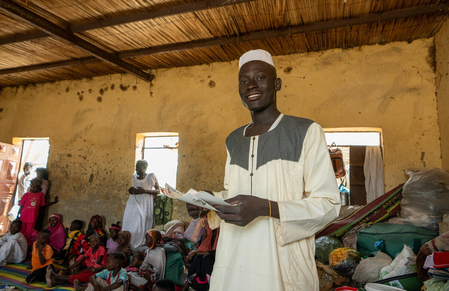
If you spend time living with regular families in towns like Hargeisa or Kismayo you will quickly realize that their social survival depends on deep mutual respect and shared community duties, For instance the way people greet elders share daily meals and resolve local neighborhood arguments follows a very strict traditional code that has been handed down through generations of oral storytellers without ever being written on paper
By taking a closer look at these hidden social habits we can understand the real beauty and strength of this ancient society.
Read Also: Why World interest in Somalia is growing so fast today?
One of the most amazing things you notice when living among local families is how much they rely on collective support to overcome personal problems, Nobody ever faces extreme poverty or sadness alone because the whole tribe acts as a single protective unit.
Secret Somali cultural rules and the unwritten laws of desert hospitality
When a traveler steps into a remote village secret Somali cultural rules demand that the locals must offer him free food water and a safe place to sleep for at least three days without asking any questions, This ancient nomad tradition comes from the harsh desert environment where refusing to help a stranger could easily mean his death under the hot sun, Even if a family is extremely poor and has only a single goat left they will happily slaughter it to feed their guest before eating anything themselves, This deep generosity is not done for public fame or money but because their ancestors taught them that hosting visitors brings heavy blessings to the household.
Another fascinating detail is how people communicate inside the village meetings where poetry is used as a powerful diplomatic tool, Instead of shouting or using angry words during arguments elders recite traditional poems to calm down heated tempers and show why secret Somali cultural rules favor peace over violence.

Secret Somali Cultural: The deep magic of camel culture and ancient pastoral wisdom
You can never truly understand secret Somali cultural rules without looking at the special bond between nomadic men and their herds of camels, In the deep countryside camels are not just livestock or food sources but they represent family wealth social status and pure beauty, Nomads have hundreds of unique names for their animals based on their skin color shape and how much milk they produce every morning.
Read Also: What is the history of Dhaanto folk dance in traditional celebrations?
Men spend hours singing special soothing songs to their camels while pulling heavy buckets of water from deep desert wells, The animals recognize the specific voices of their owners and will refuse to drink if a stranger tries to call them, showing how deep this ancient connection goes.
How oral poetry acts as the true news system of the desert
Long before radio television or mobile internet existed secret Somali cultural rules created an incredible oral news network across thousands of miles of empty land, Nomadic poets would compose long structured poems describing recent rainfalls local wars or political changes and perform them for travelers at desert wells, These travelers would memorize every single line perfectly and repeat the poem at the next trading town they reached.
Within a few days a single poem could travel across the entire country carrying accurate news faster than a modern letter, This oral tradition is why memory skills are so high among the population with young kids able to recite their family trees back thirty generations.
The hidden power of women in managing the household economy
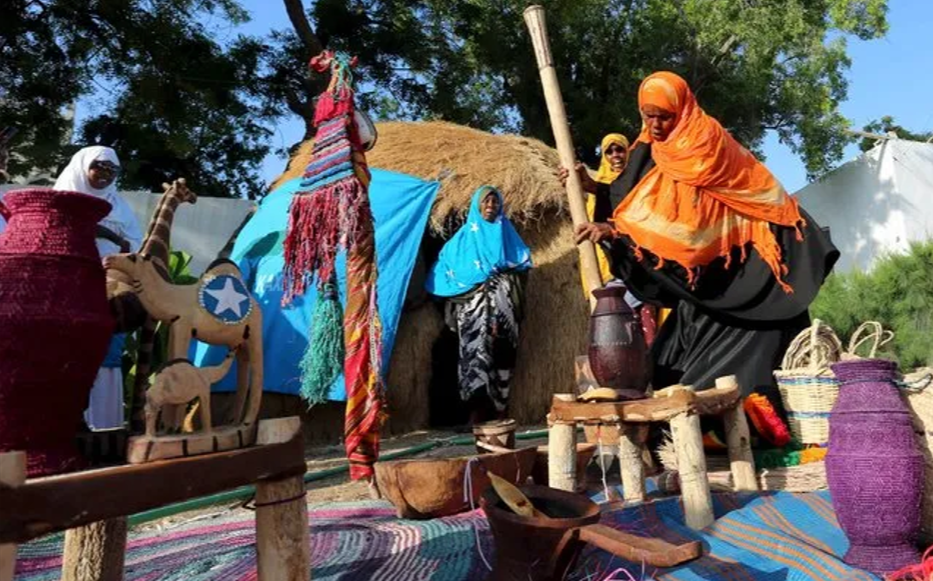
While history books often describe the society as completely male-dominated secret Somali cultural rules give mothers and wives absolute control over the home and local markets, Nomadic women are the ones who build and take down the portable wooden houses called Aqal whenever the family moves to find fresh grass, They own the milk production and control the daily market trading which gives them massive economic influence over community decisions.
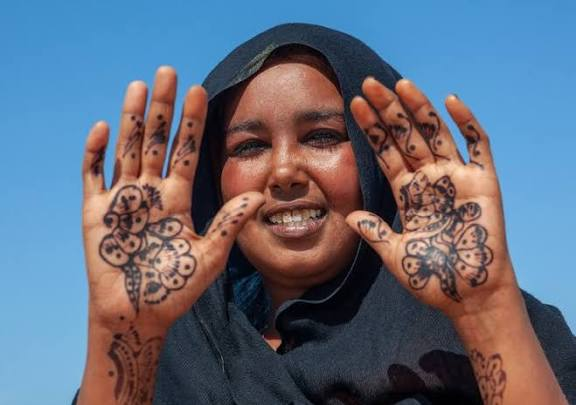
Behind closed doors men rarely make major family choices without consulting their wives first because women are seen as the true guardians of family wealth, This hidden balance of power keeps the community running smoothly during hard times.
The traditional justice system that bypasses modern courts
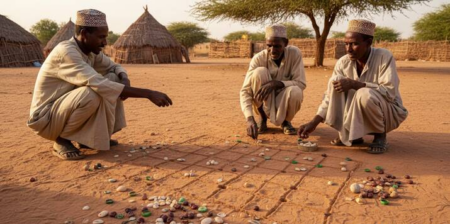
When serious crimes or land disputes happen in small villages people rarely call the police or go to modern government courts, Instead secret Somali cultural rules rely on an ancient custom law called Xeer which is managed by respected council elders, The elders gather under the shade of a large acacia tree to listen to both sides and find a fair resolution that stops revenge cycles.
Instead of sending someone to a dirty prison cell the guilty person’s family is ordered to pay a fine in the form of camels or goats to the victim’s relatives, This restorative justice system focuses on healing community relationships rather than just punishing the individual.
Why sharing evening tea is the ultimate social ritual
If you walk through any neighborhood at sunset you will see groups of men and women gathering at small tea shops to drink sweet spiced tea called Shaah, This daily ritual is one of the most important secret Somali cultural rules because it acts as the main space for sharing news trading gossip and bonding with neighbors, Refusing an invitation to drink tea with someone is seen as a very rude gesture that can harm friendships.
The tea is brewed with fresh cardamom cloves and milk creating a rich flavor that represents warmth and togetherness, It is during these quiet evening tea chats that the strongest social bonds are forged every single day.
Read Also: How maritime trade routes changed everyday human culture
In conclusion exploring the everyday traditions of this resilient population opens up a wonderful world that standard history books completely miss, We cannot ignore the fact that books only tell part of the story while true cultural wisdom lives inside the hearts and daily habits of the regular people, By honoring their guests resolving disputes peacefully under trees and keeping their oral heritage alive the population maintains a strong identity that survives any hardship, It is very easy to see that appreciating secret Somali cultural rules is the most logical way to understand the true soul of the Horn of Africa.