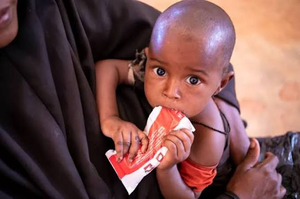
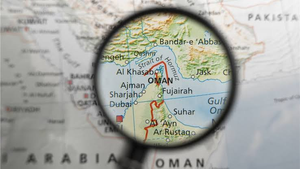

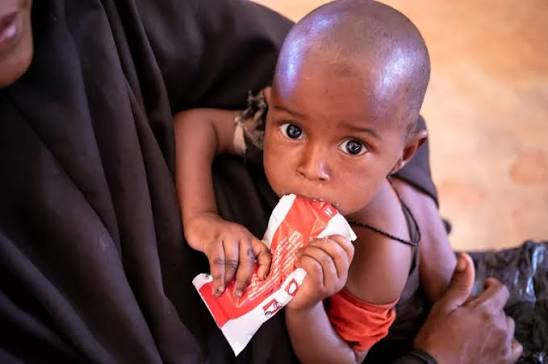
Child malnutrition in Somalia remains one of the most heartbreaking crises facing families across the country today as repeated droughts and food shortages hurt vulnerable kids. In many rural villages parents struggle every single day to find enough clean water and healthy food to keep their little ones alive and growing. When farms dry up and livestock die from lack of rain families lose their only source of income and daily meals. Local health clinics are often packed with mothers holding weak babies who need immediate medical care and therapeutic feeding. Understanding child malnutrition in Somalia requires looking at both the harsh weather patterns and the deep economic struggles that make daily survival so hard.
Read Also: How Preventive health care helps reduce treatment costs?
Why child malnutrition in Somalia continues to hurt rural families
First of all severe weather changes and failed rainy seasons destroy local crop production year after year. Farmers watch their corn and sorghum crops turn to dust under the hot sun leaving nothing to harvest for the upcoming months. Without homegrown food sources local markets run out of supplies and prices skyrocket beyond what poor workers can afford. This lack of access to basic nourishment directly causes widespread child malnutrition in Somalia among toddlers who need steady vitamins and proteins.
Second poor access to clean drinking water makes health problems much worse for sick children in remote areas. When wells dry up families have to walk for miles to find dirty river water that carries dangerous waterborne diseases. Kids who catch diarrhea or cholera lose body fluids very fast which speeds up severe weight loss and physical weakness. Treating child malnutrition in Somalia is nearly impossible without fixing clean water networks in every small village.
Third traveling long distances to reach the nearest health center delays vital medical treatments for starving infants. Many isolated towns do not have functional clinics or trained nurses who can spot early signs of physical wasting. By the time parents manage to carry a sick child to a city hospital the little one is often extremely weak. Expanding mobile health clinics helps solve this problem by bringing nutrition packets directly to isolated communities.
Read Also: How Dengue fever cases in Malaysia affect public health?
Fourth high poverty rates and lack of stable jobs prevent parents from buying nutritious milk and vegetables for their kids. Fathers who used to rely on herding animals or growing crops now find themselves jobless in crowded displacement camps. Without regular income or food aid packages families have to skip meals just to stretch what little they have left. Reducing child malnutrition in Somalia depends heavily on creating long term job opportunities and food support programs.
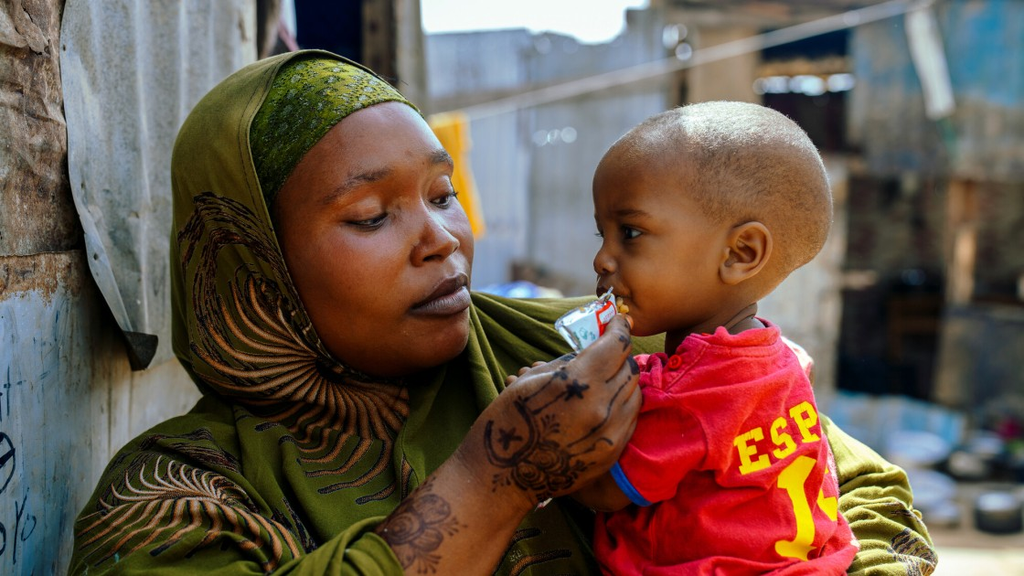
Fifth lack of proper education on child feeding habits leads to early weaning and poor diet choices for infants. Many young mothers do not know how to mix local ingredients to provide balanced meals for growing babies due to lack of guidance. Community health workers play a massive role when they teach parents how to use local grains and beans to feed toddlers safely.
Solutions for addressing child malnutrition in Somalia
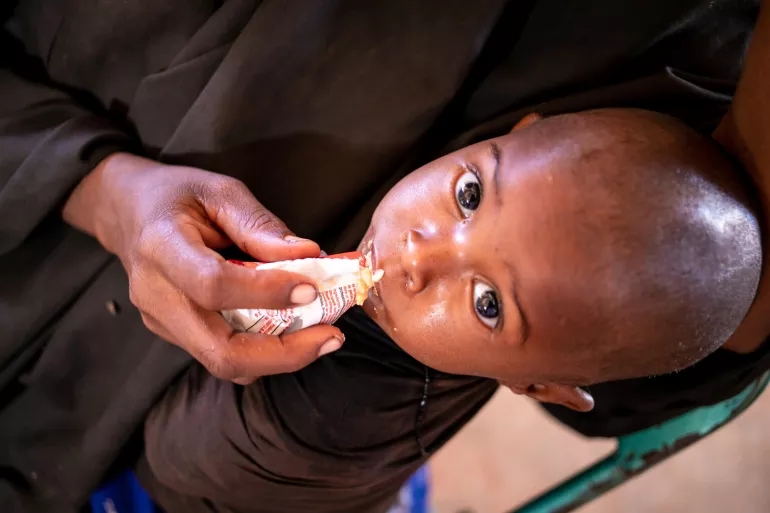
Fighting child malnutrition in Somalia requires steady international aid combined with local agricultural projects that can withstand dry weather. Donors must fund therapeutic feeding centers across every region so starving infants get rapid medical attention before it is too late. At the same time local leaders need to build deep water wells and introduce drought resistant farming techniques to boost food security.
Another key step in tackling child malnutrition in Somalia is supporting women through small business grants and mother support groups. When mothers have a chance to earn a small income they can buy better food and medicine for their children. Empowering local women changes household health outcomes for the better over the long run.
Read Also: Sleeping Near Phone: Health Risks You May Not Know
Governments and humanitarian groups must keep working together to ensure that food supplies reach remote areas without interruption. Every child deserves a healthy start in life free from the lifelong physical and mental impacts of hunger. Solving child malnutrition in Somalia takes patience hard work and a real commitment from everyone involved in community welfare.