


Somali culture rich traditions shape everything from daily conversations to big family gatherings across the nation and in communities around the world. People often think of the Horn of Africa as just a region on a map but the history and deep customs run much deeper than basic facts. If you want to understand the heart of the people you have to look at the small details of their lifestyle. From the way they share food to their love for spoken words these customs bring people together. Here is a simple look at ten core elements that define how people live connect and express themselves every single day.
Read Also: What makes smart glasses for blind adults so useful
First poetry plays a massive role in how people express their thoughts and feelings. For centuries people passed down stories and history through spoken words rather than writing things down. Poets are highly respected because they can resolve conflicts inspire communities or tell love stories using clever rhythm. Second hospitality is a core value that everyone grows up learning. When a guest arrives at a house the family will immediately offer food and drink even if they do not have much to share. Welcoming visitors with open arms is considered a fundamental duty.
Read Also: Why is parental involvement important for student success in school?
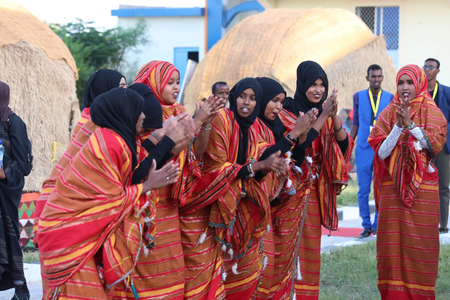
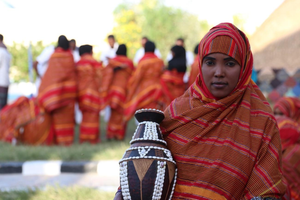
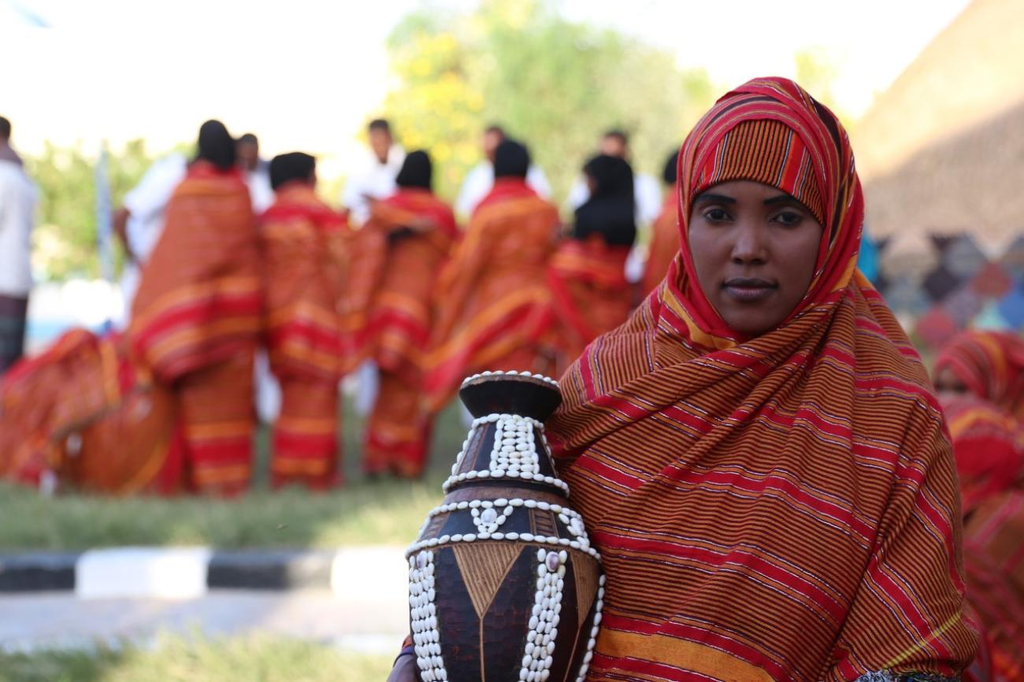
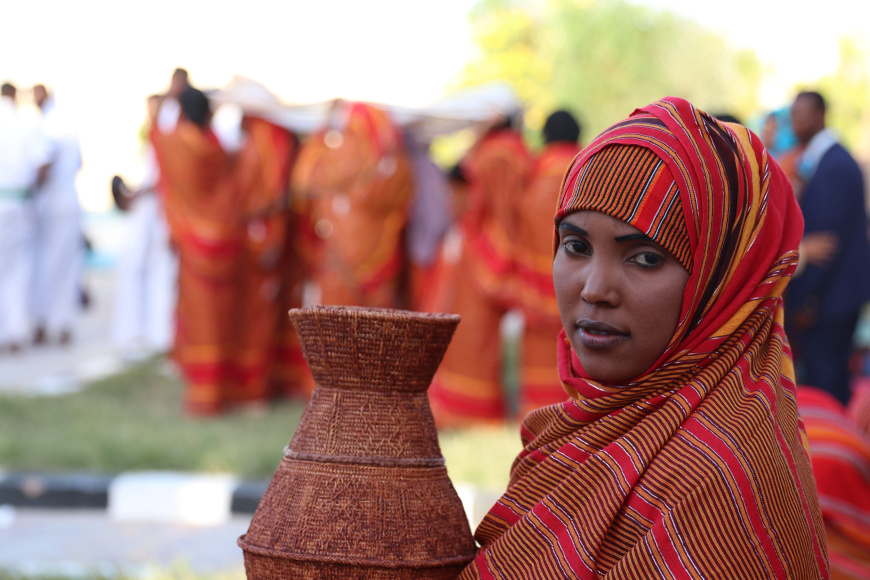
Third tea culture is a major part of daily life and social connection. People sit together for hours drinking strong tea spiced with cardamom cloves and cinnamon while talking about news or family business. Fourth Somali culture rich traditions appear strongly in traditional clothing like the colorful guntino dress for women and the macawiis sarong for men. These garments are light comfortable and perfect for the warm climate of the region. Fifth camel raising is central to rural life and nomadic heritage. Camels are not just livestock they represent wealth stability and survival in tough desert environments.
How Somali culture rich traditions shine through food music and family values
Sixth food brings families together around large shared platters. A classic meal often includes rice or flatbread served with meat and surprisingly a fresh banana on the side to eat with every savory bite. Seventh Islamic faith heavily shapes daily habits values and community celebrations. Daily prayers halal food and charity guide how people interact and support one another in good and bad times. Eighth henna art is an essential tradition for weddings and major holidays. Women decorate their hands and feet with intricate dark patterns to celebrate special moments with friends and family.
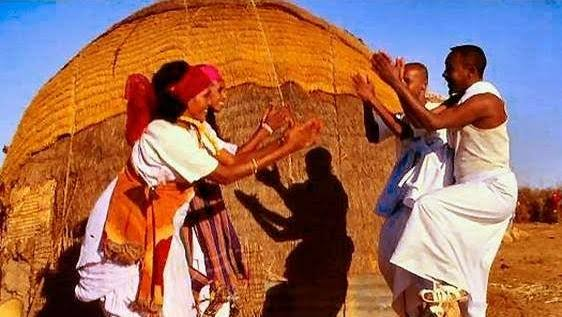
Ninth music and traditional dances like the dhaanto bring huge energy to celebrations. People clap sing in call and response style and move together in line dances that express joy and togetherness. Tenth family loyalty and clan identity provide a strong support network for everyone. In hard times relatives always jump in to help each other out no matter how far away they live. Understanding how Somali culture rich traditions influence these habits gives a clear picture of a proud and resilient society.
Read Also: Why Is Somali Family Structure Important?
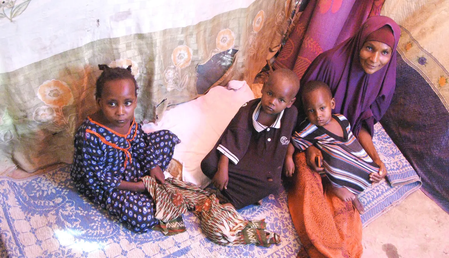
Taking time to explore Somali culture rich traditions reveals a world built on generosity respect and strong community bonds. Learning about Somali culture rich traditions helps break down simple stereotypes and shows how connected people really are to their heritage. Every tradition from poetry to sharing a simple cup of tea carries a long history that gets passed down to younger generations. Experiencing Somali culture rich traditions firsthand leaves a lasting impression because of the genuine warmth of the people.