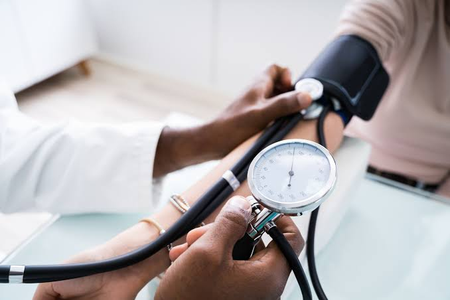



When to worry about high blood pressure is something a lot of people think about after seeing a surprisingly high reading on a screen. Seeing a high number can easily freak you out especially if you never had issues before. But one high reading does not automatically mean you are sick or need medication right away. Your body changes blood pressure all day long based on what you are doing. Things like feeling stressed running up a stairs drinking a big cup of coffee or even just not sleeping well the night before can make your numbers jump up temporarily. Doctors do not diagnose someone based on a single quick test because it is just a tiny snapshot of a single moment in your day.
How doctors diagnose the condition and set the numbers
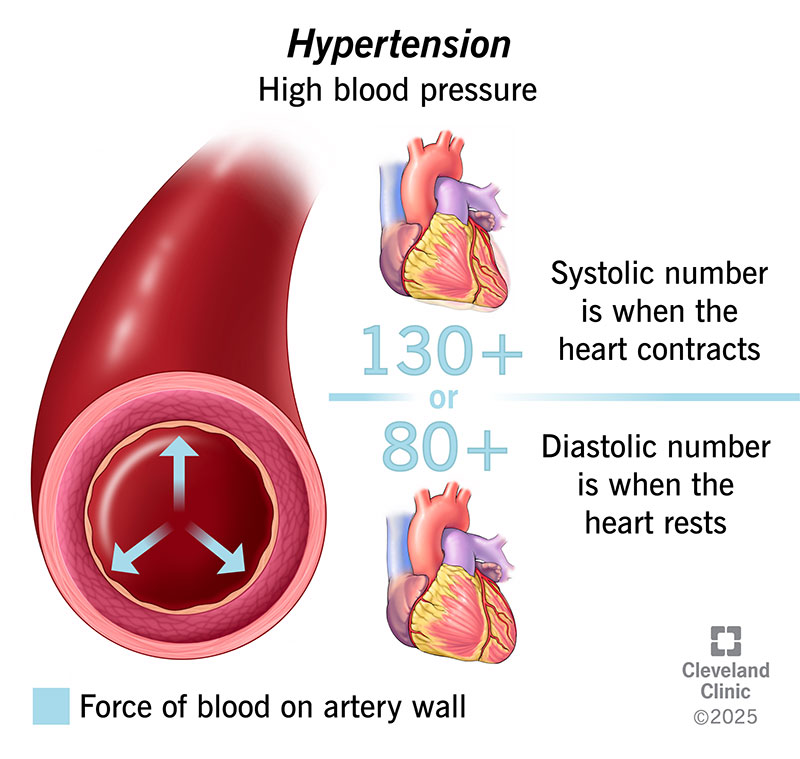
Understanding how your body works helps you know when to worry about high blood pressure rather than panicking over a random spike. The European Society of Cardiology says that taking your blood pressure just once at a doctor clinic is usually not enough to prove you have a real condition. That is because going to a clinic can make people nervous without them even realizing it. The official standard for a high reading at a clinic is 140 over 90 or higher. But when you measure it at home the target limit drops to 135 over 85 because people are usually much more relaxed in their own living rooms. If you wear a special monitor that tracks you for 24 hours straight the average line goes down to 130 over 80.
Common testing mistakes that mess up your readings
Many people make simple mistakes when testing at home which leads them to wonder when to worry about high blood pressure unnecessarily. If you want to get an accurate reading you need to avoid smoking drinking coffee or doing heavy exercise for at least 30 minutes before you sit down. You should also go to the bathroom first because a full bladder can actually drive your numbers up. When you are ready sit quietly in a chair with back support for five minutes without talking or looking at your phone. Keep your feet flat on the floor and rest your arm on a table so the cuff is at the same level as your heart. Putting the cuff over thick clothes or using a cuff that is too small for your arm will give you false numbers that look way worse than reality.
Read Also: When Should High Blood Pressure Readings Cause Concern?
Why you need to track your numbers over time
To get a clear picture you should test yourself the right way instead of stressing over when to worry about high blood pressure constantly. The best approach is to take two readings spaced one or two minutes apart both in the morning and in the evening. Doing this over three to seven days gives you a realistic average that your doctor can actually use. A massive study published in JAMA reviewed data from over 215,000 people and found that clinic measurements alone often misclassify people. Home tracking helps clear up the confusion and shows what your body is doing on a regular day.
When to worry about high blood pressure in tricky situations
There are two interesting situations that show why knowing when to worry about high blood pressure requires a bit of patience. The first one is called white coat syndrome which happens when your numbers shoot up at the doctor office just because you are anxious about being there while your home numbers remain totally normal. The opposite situation is called masked hypertension where your numbers look fine at the clinic but creep up high when you are dealing with daily stress at home or work. Checking your levels outside the clinic helps catch both of these issues so you do not take pills you do not need or ignore a real problem.
Read Also: 6 Morning Energy Habits You Should Follow Every Day
Warning signs and emergency situations to watch for
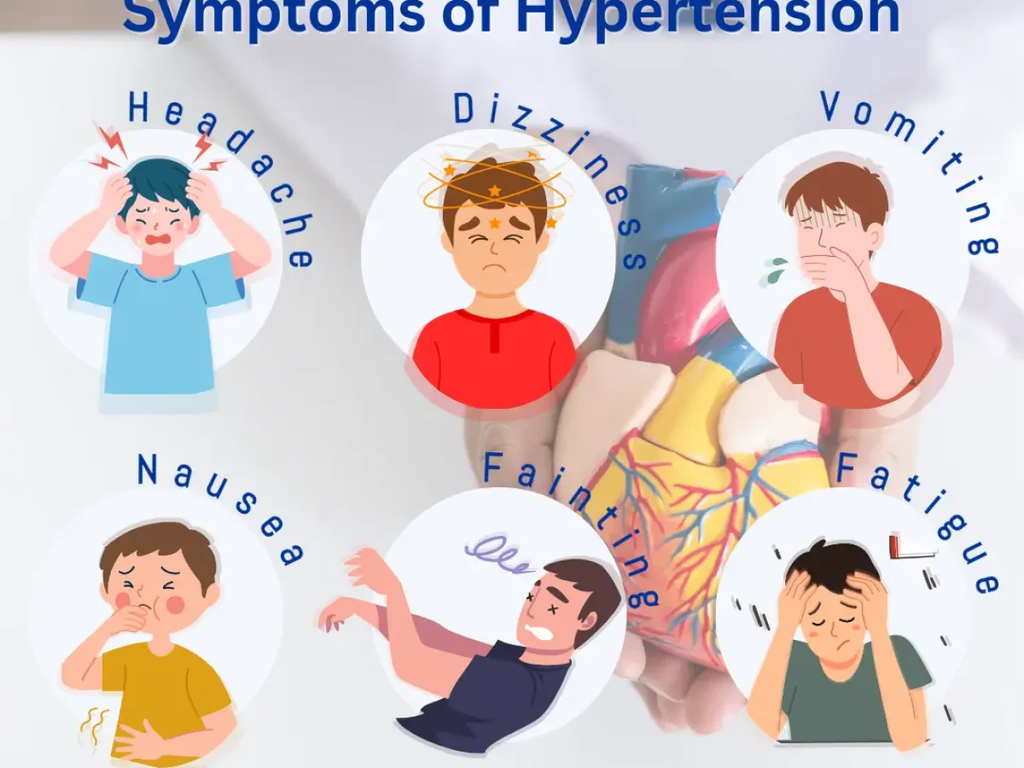
You should pay close attention to your body and know when to worry about high blood pressure if your readings stay consistently high over time. High blood pressure is often called a silent issue because most people feel completely fine even when their numbers are elevated. However if your readings are high and you start feeling severe headaches dizziness blurry vision chest pain or trouble catching your breath you need to get checked out. If your monitor shows a extreme reading of 180 over 120 or higher wait a minute and test again. If it stays that high especially with chest pain numbness or trouble speaking you need emergency medical help immediately.