
Rich Somali tradition is something you can see in every single house family gathering and local market across the region. When you take a close look at the Horn of Africa you quickly realize how deep the history goes. People pass down habits and customs from generation to generation without losing their meaning over time. If you want to understand how communities connect you just need to look at ten simple things that define their daily routines. From shared meals to spoken poetry these small details bring people together in a very special way. Here is a clear breakdown of ten simple elements that explain how people live work and celebrate together every day.
Rich Somali tradition: How rich Somali tradition shines through poetry food and strong community bonds
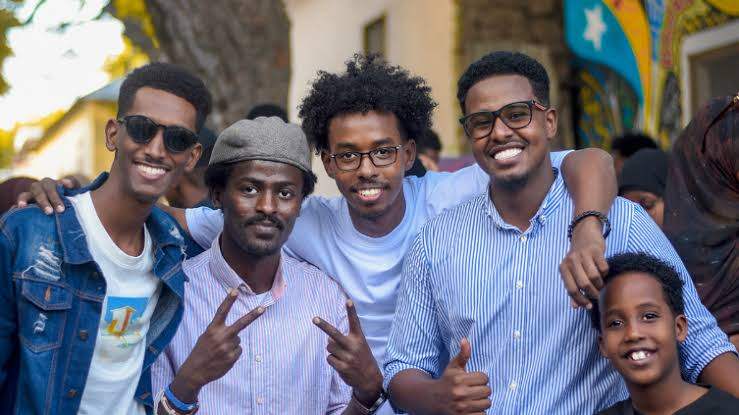
First poetry plays a massive role in how individuals share their true feelings and record historical events. Long before people started writing things down in books elders used spoken poems to resolve arguments tell love stories or celebrate big events. Second hospitality is a core duty that every child grows up learning at home. When a guest walks through the door the host immediately offers food and hot drinks even if they have very little to give. Welcoming visitors with an open heart is considered an essential moral duty.
Read Also: Why World interest in Somalia is growing so fast today?
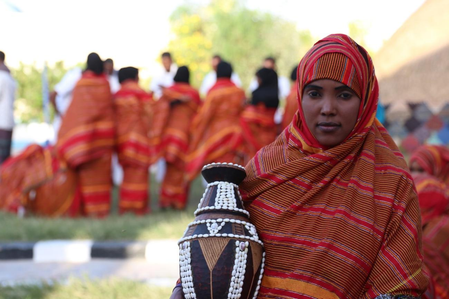
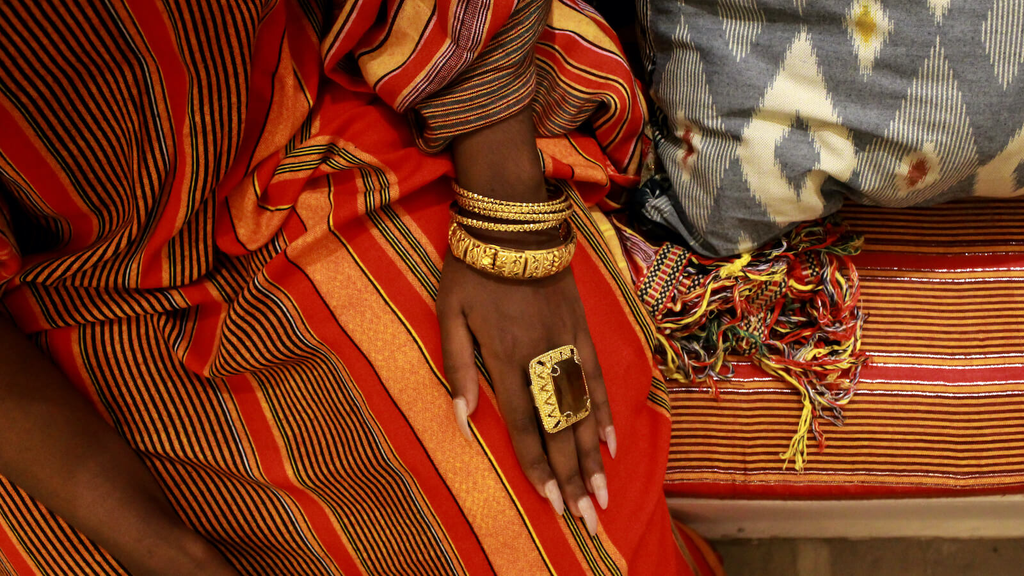
Third tea culture is a daily social habit that brings friends together every single afternoon. People sit around for hours drinking hot black tea spiced with cardamom cloves and cinnamon while talking about daily news. Fourth clothing reflects both climate and culture with colorful pieces like the guntino dress for women and the macawiis sarong for men. These lightweight garments are comfortable and perfect for warm weather. Fifth camel raising represents rural life wealth and survival. Camels provide milk transport and economic security for families living in dry countryside areas.
Read Also: What Makes Warm Somali Hospitality So Special?
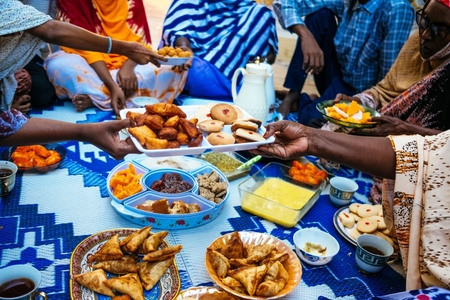
Sixth shared meals are central to rich Somali tradition as families gather around large platters to eat as one group. A classic dish usually features rice or pasta served with meat and a fresh banana on the side. Seventh Islamic faith heavily shapes daily schedules values moral rules and community gatherings. Daily prayers halal meals and helping the poor guide how people treat each other every day. Eighth henna body art is a key tradition for weddings religious holidays and family parties.
Women decorate their hands and feet with intricate dark patterns to mark happy moments with friends. Ninth music and traditional dances like the dhaanto bring high energy to every major celebration. Rich Somali tradition represents these deep customs, and rich Somali tradition keeps bringing people together. Families cherish rich Somali tradition during every festival, and rich Somali tradition continues to pass down to future generations.