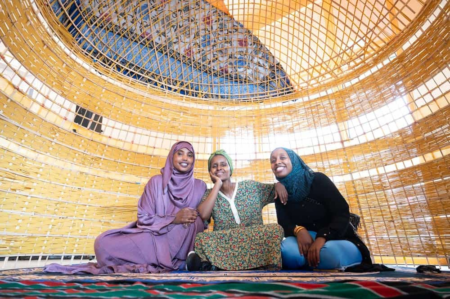


Somali daily life secrets show how people in the Horn of Africa build deep trust and survive hard times together. Most history books focus on political problems or big news stories that paint a sad picture. However when you live among locals or talk to elders you discover a warm culture built on oral poetry tea shops and strong social networks. Learning about these hidden Somali daily life secrets gives anyone a completely fresh view of how communities actually support each other every single day.
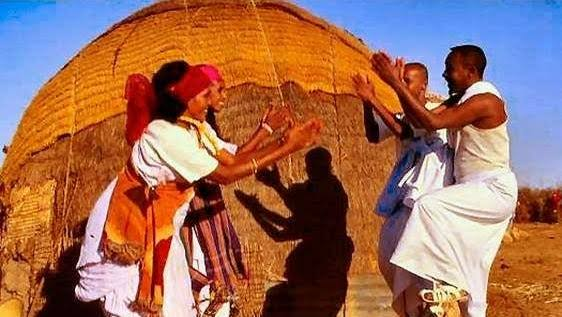
Read Also: Is Somali culture rich and full of ancient traditions that shaping daily life?
Uncovering Somali Daily Life Secrets in Tradition
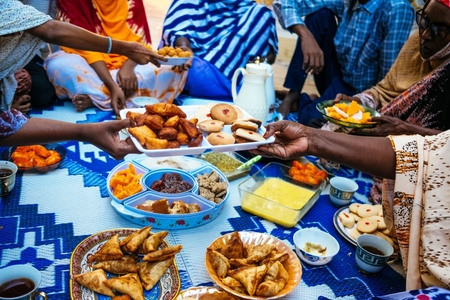
The coffee and tea culture forms the true beating heart of every neighborhood across the region. Men gather at open roadside stalls every afternoon to drink sweet spiced tea called shaah and discuss local news. In these small meetings money is rarely used to decide who gets help or advice. Instead people share news about family needs trade opportunities or resolved arguments. This informal social network relies entirely on trust and spoken promises without any written contracts or official papers.
| Tradition Aspect | Daily Practice | Social Value |
| Oral Poetry | Recited at gatherings and celebrations | Preserves history and settles disputes |
| Tea Gatherings | Afternoon tea at neighborhood stalls | Builds trust and shares community news |
| Food Sharing | Large plates shared with neighbors | Strengthens family and social bonds |
| Informal Credit | Verbal agreements between traders | Sustains small businesses without banks |
Poetry plays a massive role in guiding everyday decisions and expressing strong feelings among young and old. Elders use classic rhyming verses to calm down heated arguments between families or teach important values to young kids. A single well placed poem can end a disagreement faster than any modern courtroom judgment. This deep love for spoken words makes the society uniquely vocal expressive and deeply connected to ancestral memory.
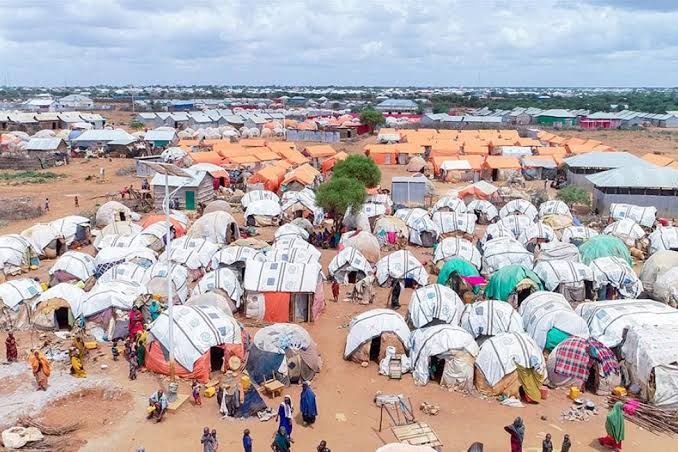
Hospitality remains another cornerstone of how families interact with visitors and neighbors alike. Food is rarely eaten alone because sharing large plates of rice spiced meat and fresh bananas is standard practice. Even total strangers who walk into a village receive hot tea a place to rest and a warm welcome. These long standing customs protect vulnerable individuals from hunger and loneliness during difficult financial periods.

Read Also: What Makes Warm Somali Hospitality So Special?
Modern Traditions and Somali Daily Life Secrets
Business practices also reflect this deep reliance on personal trust and family reputation over legal bureaucracy. The famous money transfer systems known as xawala run smoothly on simple verbal agreements across huge distances. A person can send money from a distant country to a remote village in minutes using only phone calls and mutual trust. Understanding these Somali daily life secrets helps outsiders appreciate how human connections keep local trade moving without modern banks.
Read Also: Aqal Somali House: Built for a Nomadic Lifestyle
Furthermore the oral preservation of family lineage allows people to trace their ancestors back many generations with ease.