

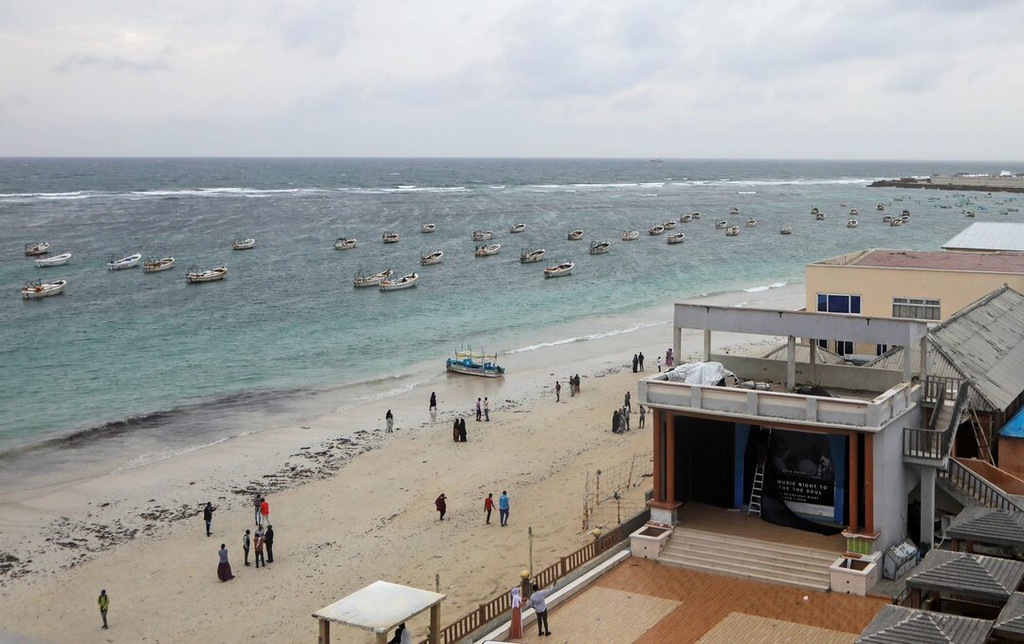
The Indian Ocean trade route played a huge role in shaping every part of life in Somalia for hundreds of years. People along the coast were not isolated because they were constantly meeting traders from Arabia India and Persia. This constant interaction brought new ideas religions food styles and words into the daily lives of local communities. When you look at how people live near the sea today you can see that the Indian Ocean trade route influenced almost everything from the spices in the kitchen to the way houses were built. It turned coastal towns into rich hubs where different cultures blended together naturally over time.
Read Also: How Does Rich Somali Tradition Shape Daily Life?
How local food changed through the Indian Ocean trade route
Food is one of the clearest ways to see how foreign connections changed daily habits. Before traders started coming across the water the local diet was mostly based on meat milk and simple grains from farming or herding. But as the Indian Ocean trade route grew stronger ships brought in new spices like cardamom cloves cinnamon and cumin. Local cooks started mixing these fresh spices into traditional meat dishes and rice creating flavors that are still loved today. Items like flatbreads and sweet tea also became daily staples because of trade connections with South Asia and the Middle East. You can taste this long history in almost every traditional meal served in coastal cities.
The Indian Ocean trade route: Architecture and city life along the coast
The way people built their towns was also heavily changed by sea merchants. Old port towns like Mogadishu Zeila and Barawe were built using coral stone and mortar which helped them last for centuries. Builders took ideas from Islamic and Middle Eastern designs adding arched doorways decorative carved wooden doors and large courtyards. These towns were designed specifically to host traveling merchants and store valuable trading goods safely. Walking through the older districts of these port cities feels like walking through a history book because the buildings directly reflect the wealth brought by the Indian Ocean trade route.
Language and religion in daily life
Trade did not just bring physical goods like cloth or spices it also brought new ways of thinking and speaking. As merchants settled along the coast they introduced Islam which quickly became the central part of identity and social life for Somali people. Religious scholars traveled back and forth across the waters establishing schools and mosques that became centers of learning. Along with religion came many loanwords from Arabic and Persian that entered the local language.
Today many words used for trade business items and navigation come directly from those ancient conversations held on the docks.
Read Also: What Makes Warm Somali Hospitality So Special?
Sailing traditions and maritime identity
Living right on the water meant that local communities had to become expert sailors and shipbuilders. Local craftsmen learned to build sturdy wooden boats called dhows which were perfectly designed to ride the seasonal monsoon winds. These winds made regular travel possible allowing people to sail to distant lands and return home safely every year. The knowledge of stars ocean currents and wind patterns was passed down from parents to children making maritime skill a core part of coastal heritage.
Read Also: Secret Somali Cultural Traditions Beyond History Books
In the end the culture we see today was deeply shaped by centuries of open connection with the outside world. The Indian Ocean trade route turned a simple coastline into a dynamic crossroads where people traded not just goods like frankincense and gold but also stories habits and traditions. Without these historical ocean links modern language food and coastal architecture would look completely different than they do now.