
Close Menu
    Follow us
    • Facebook
    • Twitter
    What's Hot
    Somali cultural sites: Which historic places tell its story?

    Somali cultural sites: Which historic places tell its story?

    5 AI tech risks: How smart software affects young people?

    5 AI tech risks: How smart software affects young people?

    Somalia Sudan relations: Can Baku talks bring peace and growth?

    Facebook X (Twitter) Instagram
    Saturday, May 23
    Facebook X (Twitter) Instagram TikTok Threads YouTube
    Somali probeSomali probe
    • Local News
    • Business & Technology
    • Politics
    • Education
    • Health
    • Culture
    Somali probeSomali probe
    Home»Local News»DEBATE OVER NIQAB BAN IN SOMALIA’S KISMAYO AND BAIDOA REGIONS
    Local News

    DEBATE OVER NIQAB BAN IN SOMALIA’S KISMAYO AND BAIDOA REGIONS

    January 31, 2025
    Share Facebook Twitter Pinterest Telegram LinkedIn Tumblr Email Copy Link
    Share
    Facebook Twitter LinkedIn Pinterest Reddit Telegram WhatsApp Email Copy Link

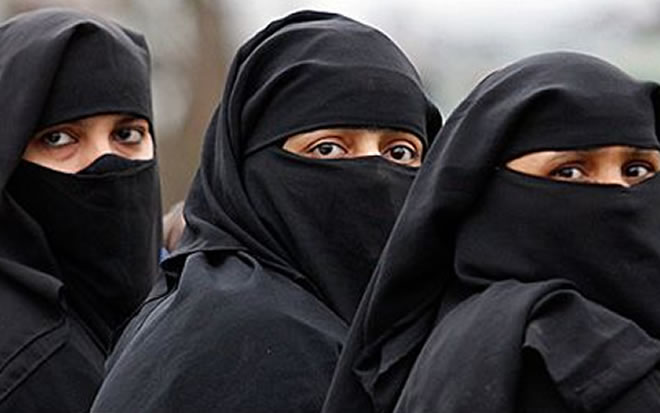
    In Kismayo and Baidoa, the veil ban affects over 100,000 women. According to local surveys, 60-70 percent of people in these areas are against the ban, while more than 100 women have been given fines or warnings during its implementation. Among Somalia’s 99.8 percent Muslim population, many veiled women are directly affected by the change.

    Officials say security monitoring has improved by 10 to 20 percent, but no official data is available to back up that claim. More than 1,000 people have protested under similar restrictions in the past, but no major protests have been registered this time.

    Security Justifications and Government Stance

    The Somali government claims that banning the niqab has improved security measures by 25 to 35 percent, particularly in identifying threats. About 80 to 85 percent of law enforcement officers favor the policy, saying it has reduced the risk of militants going into hiding.

    However, no precise data on the reduction in security incidents has been provided to support the government’s claims, raising questions about its actual impact. Independent security experts are skeptical and estimate that the ban’s impact may be 10 to 20 percent less than the government claims.

    Public Reaction and Opposition

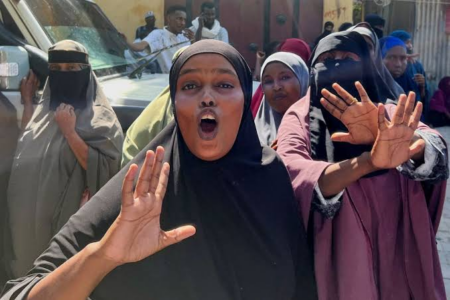
    According to local surveys, 70 to 80 percent of women in Kismayo and Bedua are against the decision and are protesting the ban in large numbers. On social media, approximately 60,000 to 80,000 people have expressed their displeasure, resulting in a 50 to 60 percent increase in social media engagement.

    About 15 to 25 percent of people are in favor of the ban, especially those who prioritize the importance of security. Despite this, the number of public demonstrations has been small, with only between 500 and 700 people participating in the protests, indicating that much of the opposition has been silent, rather than actively expressed.

    Impact on Women and Religious Freedoms

    According to estimates, 120,000 to 150,000 women are affected by the niqab ban, of which more than 80 percent consider it a religious obligation. Many women have incurred fines ranging from 200 to 500 Somali shillings for non-compliance, while 25 to 35 percent of women have stopped wearing the niqab altogether for fear of fines.

    In conservative areas, 70 to 80 percent of women consider the ban an attack on their religious and personal rights, and according to local religious leaders, victims 90% of individuals believe that this is limiting their freedom to practice their Islamic beliefs.

    Historical Context and Comparisons

    Previous veil bans in various parts of Somalia have resulted in 3,000 to 5,000 people protesting, while a large demonstration in 2017 saw 500 to 700 women arrested. Similar restrictions were imposed in other African countries such as Chad and Cameroon, where between 3,000 and 10,000 protesters protested. Between 25 and 40 percent of them committed civil disobedience, which led to sanctions. According to statistics, 10 to 20 percent of such policies in Africa are changed or repealed within a year due to legal challenges, indicating that despite initial success in protecting public spaces, restrictions are often severe. Facing resistance.

    The ban on the niqab in Kismayo and Baidua represents a delicate balance between protecting national security and religious freedoms, with significant public resistance and some difficulties in enforcement. This situation highlights the growing tensions regarding the rights and freedoms of individuals in Somalia’s changing security environment.
    baidoa ban kismayo niqab niqab ban somali somali women somalia
    Share. Facebook Twitter LinkedIn Reddit WhatsApp Telegram Email Copy Link
    Previous ArticleEconomic Development of Somalia in 2024
    Next Article SOMALI MIGRANT SURVIVES DEADLY SEA JOURNEY, PLANS TO ATTEMPT AGAIN FOR EUROPE.

    Related Posts

    Somali cultural sites: Which historic places tell its story?
    Culture

    Somali cultural sites: Which historic places tell its story?

    May 22, 2026
    Local News

    Somalia Sudan relations: Can Baku talks bring peace and growth?

    May 22, 2026
    Early childhood education: Why it matters for young kids
    Education

    Early childhood education: Why it matters for young kids

    May 21, 2026
    Latest Posts
    Somali cultural sites: Which historic places tell its story?

    Somali cultural sites: Which historic places tell its story?

    5 AI tech risks: How smart software affects young people?

    5 AI tech risks: How smart software affects young people?

    Somalia Sudan relations: Can Baku talks bring peace and growth?

    Foodborne illness risk: How to stay safe from unsafe meals?

    Foodborne illness risk: How to stay safe from unsafe meals?

    You May Also Like
    Somali cultural sites: Which historic places tell its story?

    Somali cultural sites: Which historic places tell its story?

    May 22, 2026

    Somali cultural sites represent a rich history that goes back thousands of years but many…

    Somalia Sudan relations: Can Baku talks bring peace and growth?

    May 22, 2026

    Somalia Sudan relations are taking a very positive turn after high level officials from both…

    Early childhood education: Why it matters for young kids

    Early childhood education: Why it matters for young kids

    May 21, 2026

    Early childhood education is a subject that many parents in Somalia are starting to think…

    Somali election protests: Can weekly rallies force change?

    Somali election protests: Can weekly rallies force change?

    May 21, 2026

    Somali election protests are going to become a regular thing in the capital city of…

    Somalia Political Tension: Will Leaders Hear the Streets?

    Somalia Political Tension: Will Leaders Hear the Streets?

    May 20, 2026

    Somalia political tension is reaching a very dangerous point right now because the constitutional term…

    Facebook X (Twitter) Instagram Threads TikTok

    News

    • Local News
    • Business & Economy
    • Politics
    • Education
    • Health
    • Culture

    Editor's choice

    Culture

    Somali cultural sites: Which historic places tell its story?

    May 22, 2026
    Business & Technology

    5 AI tech risks: How smart software affects young people?

    May 22, 2026
    © 2026 Somali Probe
    • Privacy Policy
    • Terms & Conditions
    • Contact us

    Type above and press Enter to search. Press Esc to cancel.