


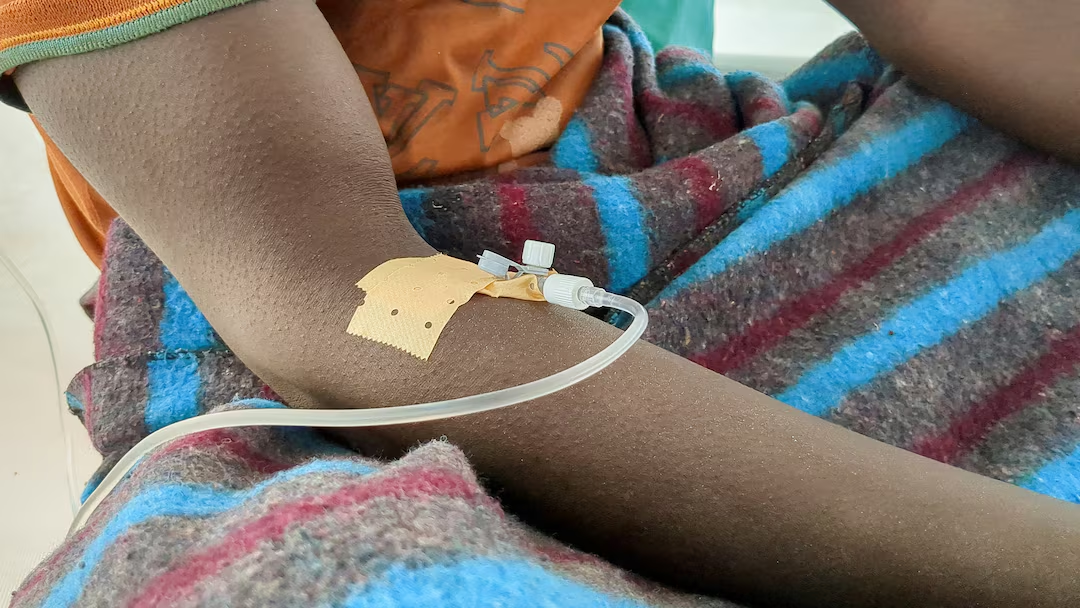
Africa Cholera Surge is a term that health experts from the Africa CDC are using to describe the terrible situation we are seeing in 2026 across more than 25 countries. It has been a very long time since we saw so many people getting sick at once, with over 310,000 cases and more than 7,000 deaths reported in just one year. This Africa Cholera Surge is hitting places like Sudan, Ethiopia, and the Democratic Republic of Congo very hard because of a mix of bad weather and ongoing wars that destroy water pipes. When people don’t have clean water to drink, they have to use dirty rivers or ponds, and that is exactly how the bacteria spread so fast from one village to another. The Africa Cholera Surge is especially dangerous because the death rate has gone up to 2.3%, which is much higher than the usual 1% that doctors expect in a normal outbreak. This means that many people are not getting to a hospital fast enough to get the simple salt and water medicine they need to survive. It is a very sad time for many families who are losing their loved ones to a disease that we already know how to prevent with just a bit of clean water and soap.
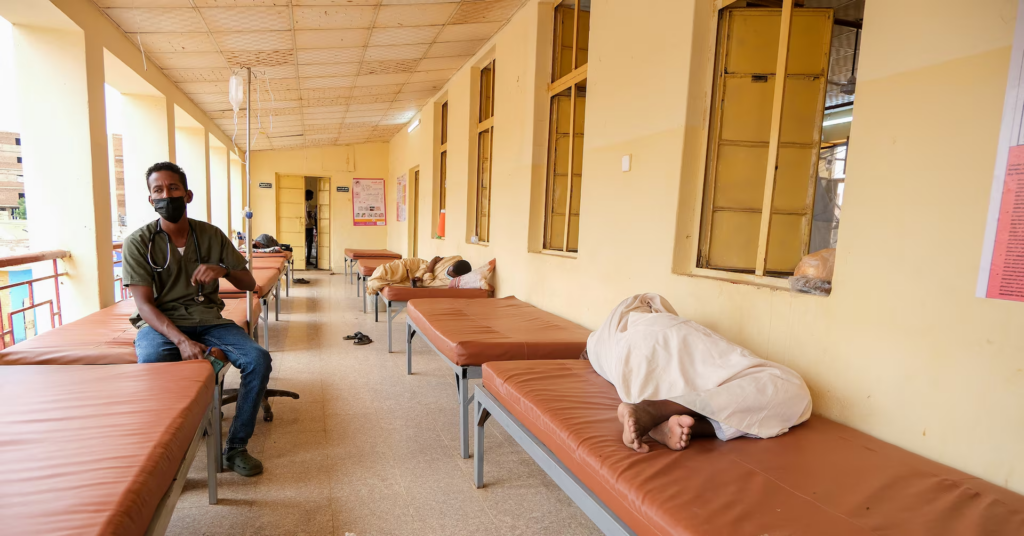
The reason this Africa Cholera Surge is so different from the past is the sheer number of countries affected at the same time, stretching from the horn of Africa down to the southern regions like Zambia and Zimbabwe. In the past, you might have one country struggling, but the current Africa Cholera Surge shows that the disease is moving across borders very easily as people travel for work or to find safety. The Africa Cholera Surge is also being fueled by “climate shocks,” where we see giant floods in one month and then a long drought in the next, both of which mess up the sanitation systems in big cities. Even in places like Kinshasa, the Africa Cholera Surge has reached a 25-year peak, and sadly, nearly one out of every four cases is a child under the age of five. This Africa Cholera Situation has forced many schools to close down to stop the spread, which means kids are losing their education on top of being sick. It is a massive challenge for the whole continent, and it shows that we need to build much better pipes and toilets if we ever want to stop this from happening again in the future.
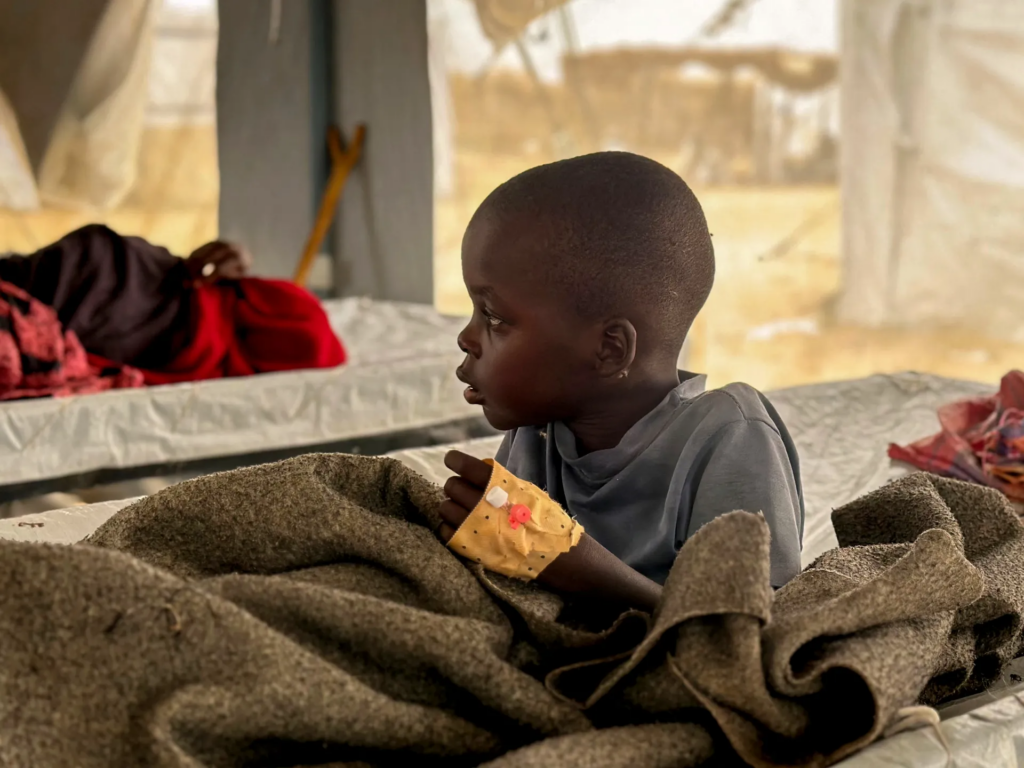
Ways the Africa Cholera Surge is Changing Our Health Systems
First, the Africa Cholera Situation has led to the creation of a new “Continental Task Force” where different countries share their medicine and vaccines to help whoever is hurting the most. Second, because of the Africa Cholera Situation, we are seeing a big push to start making our own vaccines right here in Africa so we don’t have to wait for planes from Europe or America. Third, the Africa Cholera Surge is forcing cities to rethink how they manage their trash and sewage, especially in overcrowded areas where the disease lives the longest.
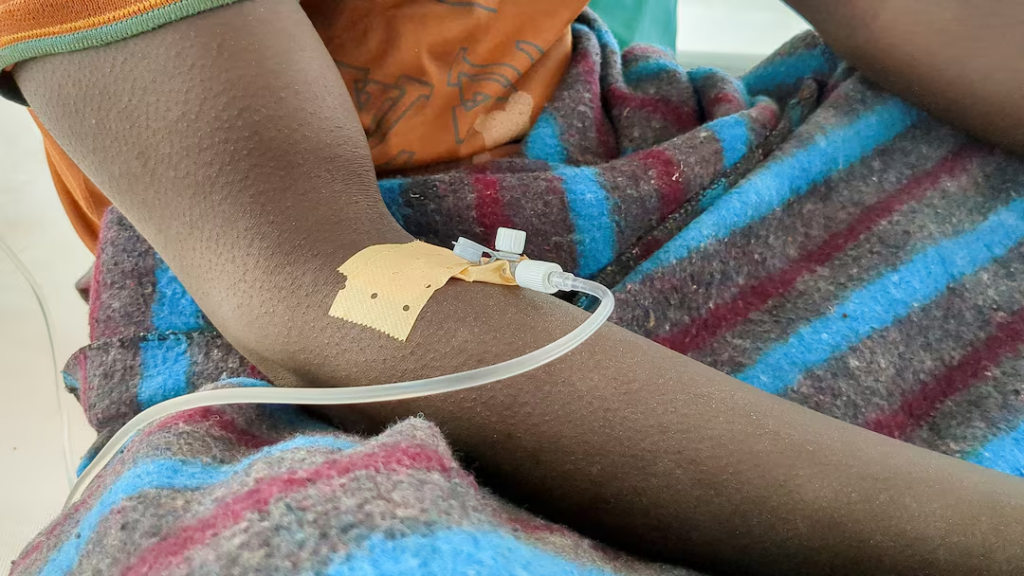
Fourth, the Africa Cholera Situation has taught us that “Community Health Workers” are the real heroes because they go door-to-door to teach people how to make water safe with just a little bit of chlorine. Fifth, we are seeing more “Oral Rehydration Points” being set up in markets and bus stations as a result of the Africa Cholera Surge so people can get help the minute they feel sick. Sixth and finally, the Africa Cholera Situation is a reminder to the whole world that we cannot ignore basic things like water and soap while we talk about high-tech medicine and fancy hospitals.
How to Stay Safe During the Africa Cholera Surge
If you live in an area where the Africa Cholera Situation is active, the most important thing is to always boil your water before you drink it or use a filter if you have one. You should also be very careful about eating raw vegetables or fruits that haven’t been washed in safe water during the Africa Cholera Situation peak months.
Read Also: The Link Between Sleep Apnea Danger and the Risk of Developing Parkinson’s Disease
The Africa Cholera Situation is a scary thing, but if we all wash our hands and look out for each other, we can help bring the numbers down and protect our neighbors. We must listen to the advice from the Africa CDC and support the teams who are working day and night to end the Africa Cholera Situation once and for all.