
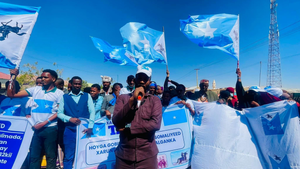

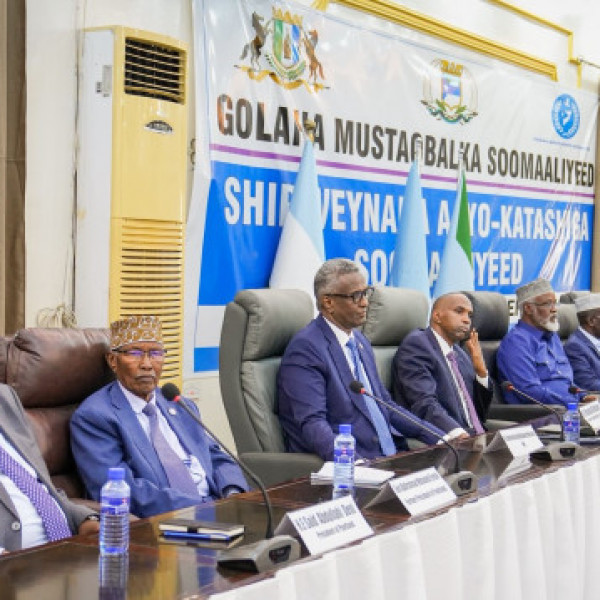
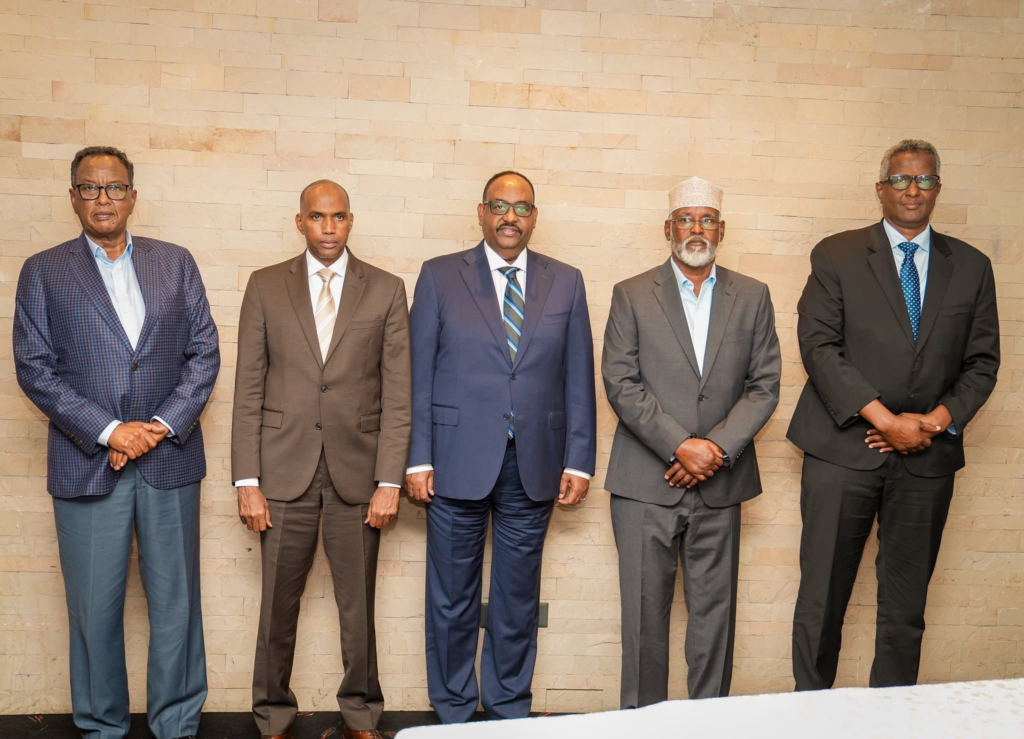
Somali Future Council is asking troop contributing countries in Somalia to link their security help directly to a broad political deal in the country. The message came in an open letter sent on July 27 2026 to the top leaders of Uganda Kenya Ethiopia Djibouti Burundi and Egypt. This letter was sent just before a major summit in Kampala that aims to discuss the future of the African Union Support and Stabilization Mission in Somalia which is known as AUSSOM.
Read Also: Instant payment system: Transforming Somali commerce
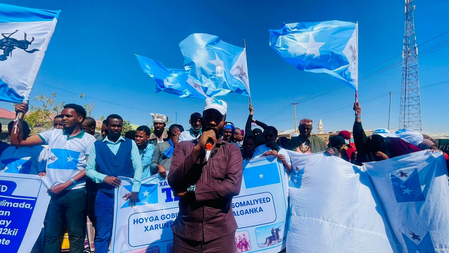
The opposition group known as the Somali Future Council claims that the nation is facing a dangerous political crisis that needs immediate attention from everyone involved. They pointed out that the official term of the president ended on May 15 2026 and the mandate of the parliament ended on April 14 2026. Without a legal consensus or an agreed framework to guide the transition period the group argues that the government lacks true legitimacy to move forward alone.
Why the Somali Future Council warns about political splits
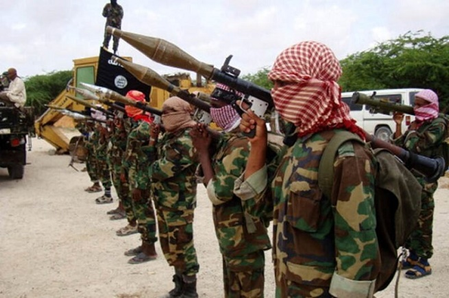
Deep political divisions are hurting national unity and weakening the fight against terror groups like Al Shabaab and ISIS. According to the Somali Future Council the central government in Mogadishu seems to focus more on internal political battles than on fighting active extremist threats across the country.
Relationships between the federal government and regional states like Puntland and Jubaland have reached a very low point. Local forces in these regions are actively fighting terrorist groups on the ground every day but they are not receiving the necessary supplies or military support from the central authorities.
Read Also: Somali family budget: Coping with rising costs
Fixing security through political consensus
Financial problems and international support hurdles facing AUSSOM are not caused by the mission itself. Instead these struggles stem directly from the political stalemate and the total absence of a legal agreement among all major parties.
The opposition believes that money and troop deployments will not bring peace if politicians in Mogadishu do not sit down together and fix their governance problems first.
To resolve this long deadlock the group recommends a few clear steps:
- Create an inclusive political agreement involving all major political actors and regional states
- Form a temporary transitional council to oversee the constitutional transition period
- Set up a fair structure to prepare for free national elections
- Ensure international military support is strictly tied to real political progress
The Somali Future Council insists that a comprehensive political deal must be the main condition for any continued foreign military presence or aid in Somalia.
Read Also: Why did Puntland Darawish forces close the main highway?
Without a clear path toward fair elections and shared power military help will only prolong the political instability instead of solving it. Leaders meeting in Kampala must push for a real political consensus before committing more resources to the country.