




Dementia crisis in Japan is growing so fast it scares everyone who stops to look. By next year one in five people over 65 will have dementia, and by 2060 the number could hit ten million. Dementia crisis in Japan isn’t just sad family stories anymore; it’s empty villages, hospitals full of lost grandparents, and a country wondering who will take care of the old when there aren’t enough young.
The Dementia Crisis in Japan: Numbers That Keep Everyone Awake
Right now 4.5 million Japanese live with dementia, and another 4 million have mild memory problems that will get worse. That’s almost one in ten adults. In some rural towns half the people walking the streets are over 70, and many forget where home is. Dementia disaster in Japan costs the country 15 trillion yen a year in care, lost work, and broken hearts.
Old people used to live with kids, but now families are small and far away. A typical Tokyo apartment is too tiny for grandma who wanders at night. Nursing homes have waiting lists years long. Dementia crisis in Japan leaves millions alone with a disease that steals names, memories, and finally the person you loved.
Robots That Watch and Talk
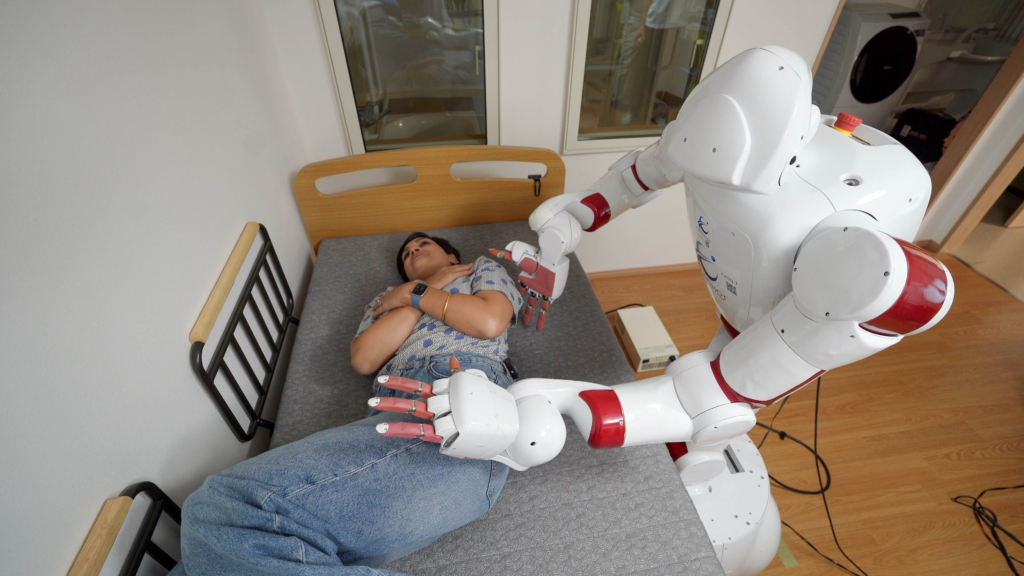
Japan makes robots like other countries make cars. SoftBank’s Pepper robot already works in hundreds of care homes. It remembers faces, plays music, leads exercise classes, and calls a nurse if someone falls. A lonely grandpa in Osaka talks to his robot dog AIBO every day because it barks when he comes home. Dementia disaster in Japan gave birth to machines that never get tired of repeating “hello” or “time for medicine.”
Some homes use GPS shoes. If grandma walks too far, her family gets a phone alert. Sensors on doors, beds, and fridges notice when someone stops eating or sleeping normal. One company made a smart toilet that checks urine for signs of trouble and sends data to doctors. Dementia disaster in Japan turned everyday things into quiet guardians.
Cameras and AI That Never Blink
Cheap cameras watch hallways 24 hours a day. AI looks for strange patterns: someone pacing at 3 a.m., opening the front door ten times, standing still too long. When it sees danger it texts the family or care worker. In Nagoya a system caught an old man about to leave home in his pajamas at midnight and locked the door gently while calling his daughter. Dementia crisis in Japan is fighting back with eyes that never sleep.
Apps on tablets play memory games, show family photos with names, remind people to drink water. One popular app speaks in the voice of a grandchild saying “I love you, grandpa” every morning. Simple tech, big comfort. Dementia crisis in Japan hurts less when a machine remembers for you.
The Good and the Scary Parts
Robots don’t replace human touch, but they fill empty hours. A care home in Fukuoka cut night staff by half because sensors do the watching. Families sleep better knowing someone is always there. Old people smile more when a robot sings their favorite song from 1950.
But some worry. Cameras in bedrooms feel like spying. What if the data gets hacked? Who pays when the robot breaks? And can a machine ever really care? Dementia crisis in Japan needs tech, but it also needs warm hands and kind voices.
Small Towns Trying Everything
In rural Kochi whole villages installed street sensors and community robots. If someone with dementia walks too far, the whole neighborhood gets a gentle alert on their phones. One old lady wandered every evening until the village robot started walking with her, playing her favorite enka songs until she turned home. Dementia crisis in Japan looks different when a whole town becomes family.
The Future Is Already Here
By 2030 Japan plans to have AI care managers in every home that needs one. Talking fridges, walking sticks with GPS, beds that call ambulances if heartbeat stops. Scientists work on games that slow memory loss, pills that might stop it, even brain implants one day. Dementia crisis in Japan is pushing the country to invent tomorrow today.

But the best tech can’t fix lonely hearts. One 88-year-old man in Hokkaido told a nurse, “The robot is nice, but it doesn’t know my wife’s name.” Dementia crisis in Japan needs machines and humans together, not one or the other.
Also Read: 7 Terrifying Privacy Protection Challenges in the Age of Modern AI
Japan is old before it got rich enough to handle it. The dementia crisis in Japan is the world’s preview of what happens when people live long and have few kids. Technology buys time, eases pain, keeps people safe. But only love keeps them human.
Robots can remember medicine time. Only people remember why it matters.