



Brain training games are everywhere these days and people use them hoping to get smarter or stay sharp as they get older. If you look at the apps on your phone you probably see plenty of options that claim they can improve your memory or help you focus better at work. Many people wonder if brain training games really have a lasting impact on our actual intelligence or if they are just a fun way to waste time. The truth is that while some scientists say they work others are not so sure about the long term benefits. Because of this we have to look deeper into how brain training games affect the neurons in our heads and our daily habits.
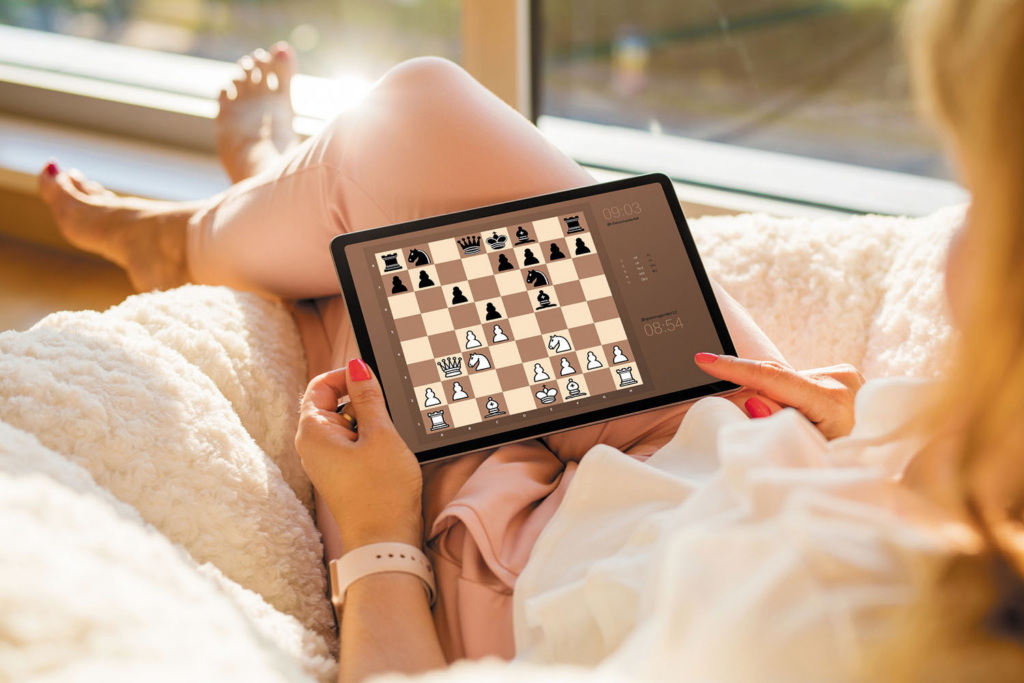
The truth about brain training games and mental healt
I remember when I first downloaded one of those apps because I was forgetting where I put my keys all the time. I thought that by playing brain training games for ten minutes a day I would suddenly become a genius who never forgets anything. It felt like I was getting better at the puzzles but I noticed that my real life stayed pretty much the same. This is a common experience for many people who put their trust in brain training games without realizing that the skills in a game don’t always translate to the real world. You might get really fast at clicking bubbles on a screen but that does not mean you will be better at solving a complex problem at your job.
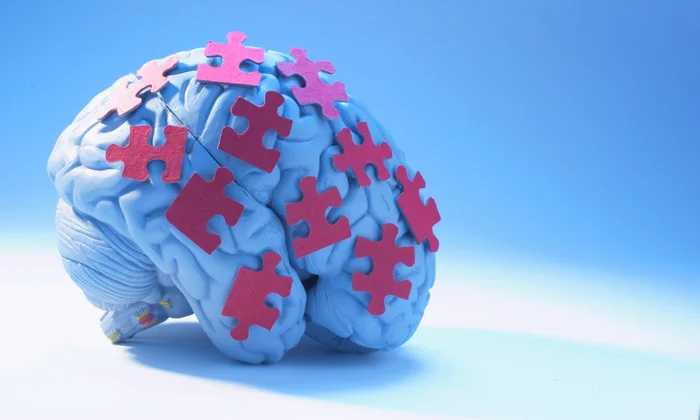
Why the logic of brain training games is complicated
The main idea behind these tools is something called neuroplasticity which is just a fancy way of saying the brain can change. When you play brain training games you are challenging your mind to learn new patterns and react faster to different stimuli. This is good because a bored brain usually starts to slow down over time. However the big debate is whether brain training games help with general tasks or just specific ones. If you practice a crossword puzzle you get better at crosswords but you might not get better at math. We have to ask ourselves if spending hours on Mental training games is better than just reading a book or learning a new language.
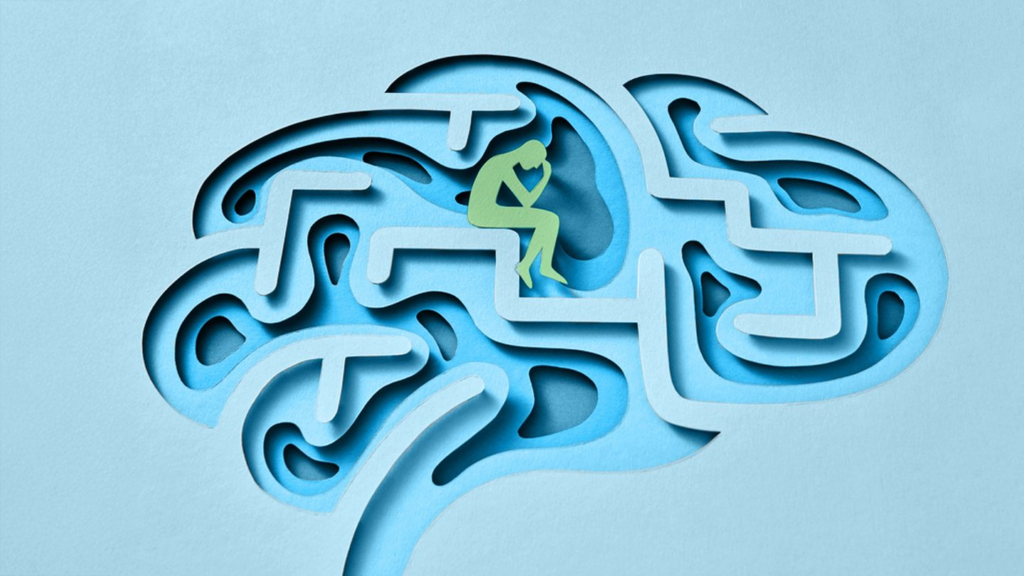
Another thing to think about is the placebo effect where you feel smarter just because you think you are doing something productive. If you believe Mental training games are making you sharp you might act more confident in meetings or study harder for exams. This confidence is great but it is not the same thing as an actual increase in your biological IQ. Many experts suggest that physical exercise is actually better for your head than sitting on a couch playing Mental training games on a tablet. Moving your body increases blood flow to the brain which helps new cells grow much faster than any digital puzzle ever could.
We also see kids using these apps a lot now because parents want them to have an edge in school. It is interesting to see how Mental training games are being marketed to families as a must have tool for success. But if a child spends all their time on a screen they might miss out on social skills or physical play which are also very important for development. We should probably treat these games like a side dish rather than the main meal of our mental diet. If we rely too much on Mental training games we might lose the ability to think deeply without a digital interface guiding us along.
Read Also: Are Hibiscus Tea Benefits as Powerful as Some Medicines?
Our daily behavior is mostly shaped by our environment and our habits. If you want to change your life you have to do more than just play a game. You have to change how you eat and how you sleep and how you interact with people. While Mental training games can be a small part of a healthy lifestyle they are not a magic wand that fixes everything. We should enjoy them for what they are which is a way to stay active and engaged with new challenges. Just don’t expect to become a superhero just because you reached level one hundred in a logic puzzle. The best way to train your brain is to keep living a full and diverse life every single day.