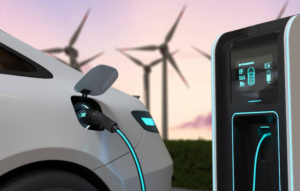



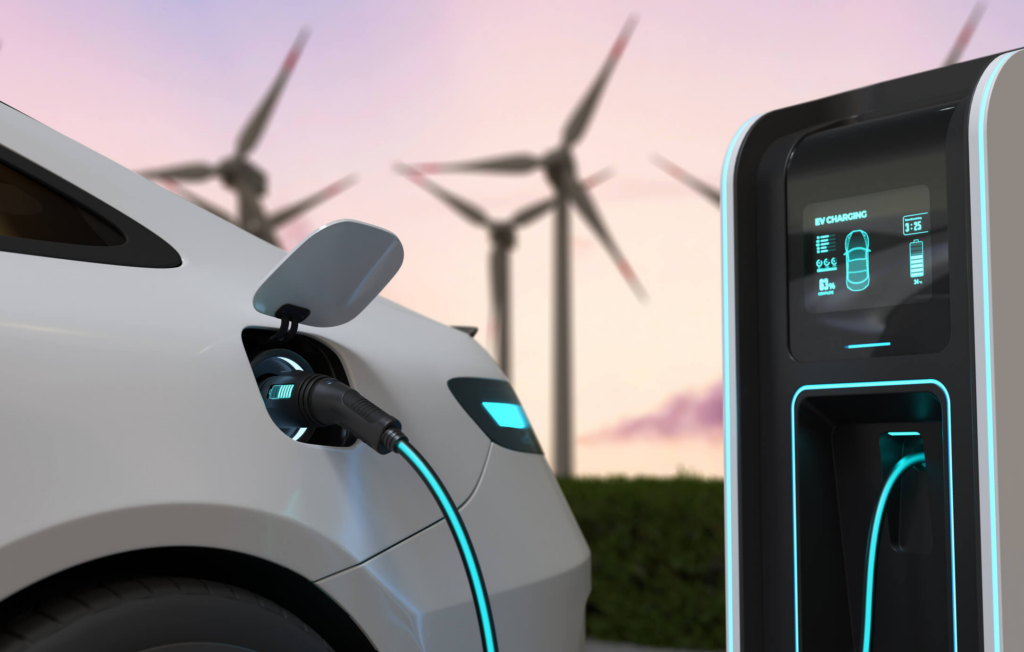
Electric car dominance is transforming the global vehicle industry as Chinese companies quickly take over international markets. Two decades ago Chinese carmakers were far behind Western brands that built traditional gasoline engines. Seeing that catching up on internal combustion technology would be extremely hard government officials shifted focus toward clean battery vehicles. Today Chinese firms lead the world in manufacturing exported models and battery production. Having electric car dominance lets companies like BYD sell affordable electric models in Europe Asia and South America. This success relies on long term industrial planning heavy government investment and complete control over supply chains.
Read Also: Future AI jobs: How is smart tech creating new careers?
How electric car dominance rests on battery manufacturing and raw material control
The foundation of electric car dominance is complete control over battery supplies. Batteries are the most expensive component of any clean vehicle accounting for a massive chunk of total production cost. Major battery firms like CATL refine most of the world lithium nickel and graphite used in energy storage. Having electric car dominance in processing essential minerals allows domestic factories to build battery packs much cheaper than Western rivals. Because battery prices dropped fast in local factories local automakers can sell high tech cars at prices average consumers can actually afford.
Large scale production drives down consumer prices
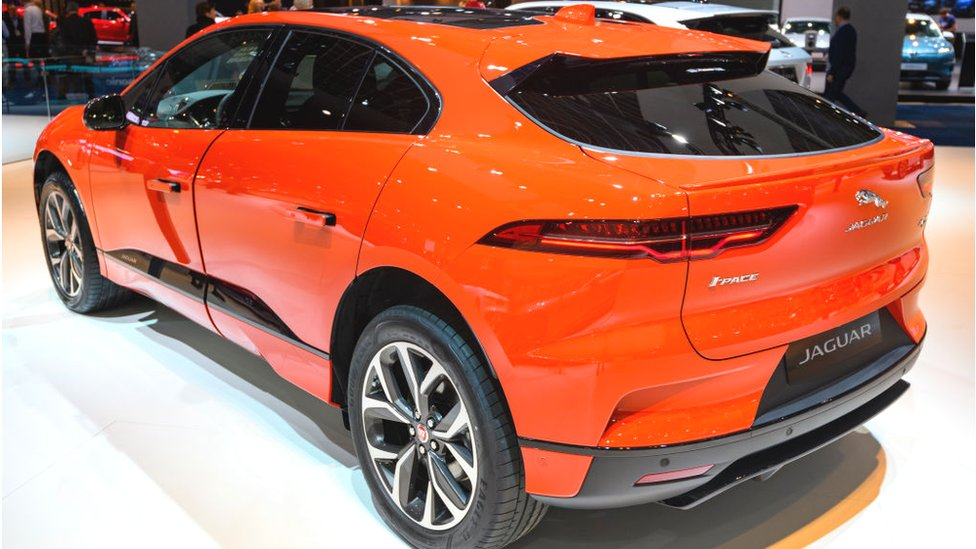
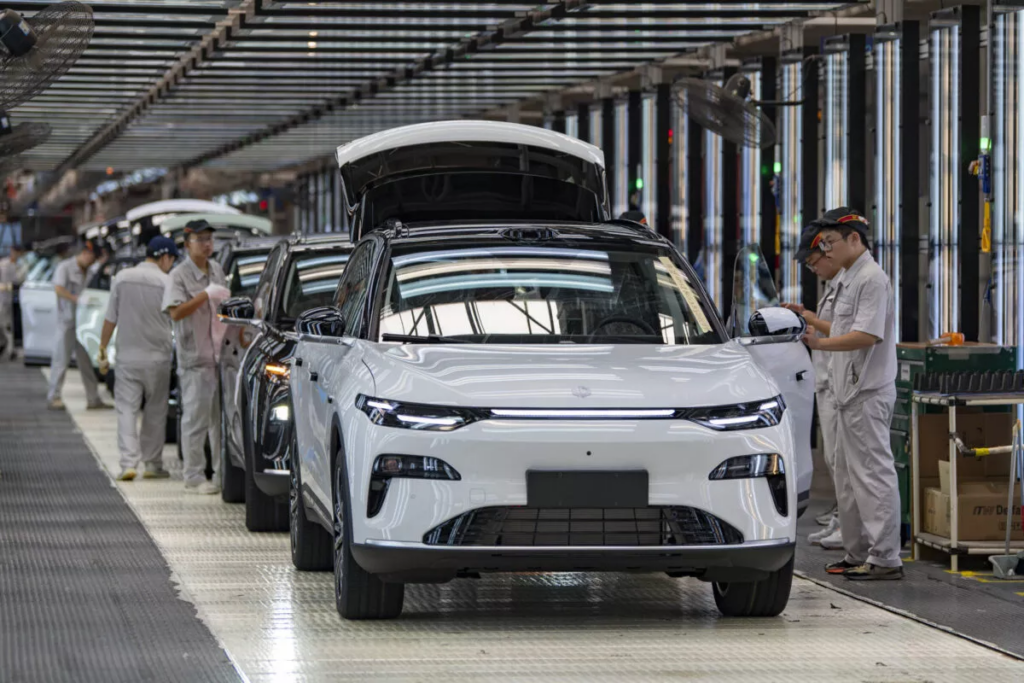
Having the largest domestic auto market in the world gives local manufacturers a huge natural advantage over foreign competitors. Building millions of vehicles every year creates economies of scale that reduce the manufacturing cost for every single unit. Fierce competition among local brands forces companies to innovate rapidly while keeping profit margins thin. Achieving electric car dominance means that local automakers can export low cost options overseas without losing quality.
Turning modern vehicles into connected digital platforms
Chinese companies did not just focus on electric motors and batteries they also redesigned vehicles as smart connected devices. Modern models come equipped with large touchscreens artificial intelligence assistants and fast software updates over the air. Drivers enjoy seamless integration with their smartphones advanced navigation tools and automated driving features. Capitalizing on electric car dominance in digital tech allows local brands to attract younger buyers who care more about smart cabin features than traditional horsepower.
Expanding into international markets across Europe and Asia
After securing their domestic market local brands started expanding rapidly across Europe South East Asia and Latin America. Brands like BYD MG NIO and XPeng are setting sales records in overseas markets by offering reliable cars at competitive prices. Leveraging electric car dominance helps these companies build strong dealership networks and shipping lines across major continents. Western buyers looking for affordable zero emission options increasingly choose these models over expensive traditional brands.
Read Also: How Smart Car Vision Systems Keep Roads Safer
Overcoming Western tariffs and global trade barriers
Despite this massive success Chinese automakers face growing resistance from foreign governments. The United States and European Union have placed higher import tariffs on Chinese made vehicles to protect their own domestic factories. Western nations are also trying to build independent supply chains for lithium and battery cells to reduce reliance on foreign suppliers. Pushing electric car dominance forward despite international trade hurdles will require companies to build new assembly plants directly inside target export markets.
Read Also: Will the future career path survive smart technology rise?
In conclusion the rapid rise of Chinese automakers shows how long term strategy and supply chain control can reshape a global industry. By mastering battery production scaling up manufacturing and integrating smart digital features local companies achieved electric car dominance in record time. While foreign tariffs and political tensions present real challenges going forward these competitive prices and advanced technologies ensure that Chinese vehicles will remain a dominant force on world roads for years to come.