

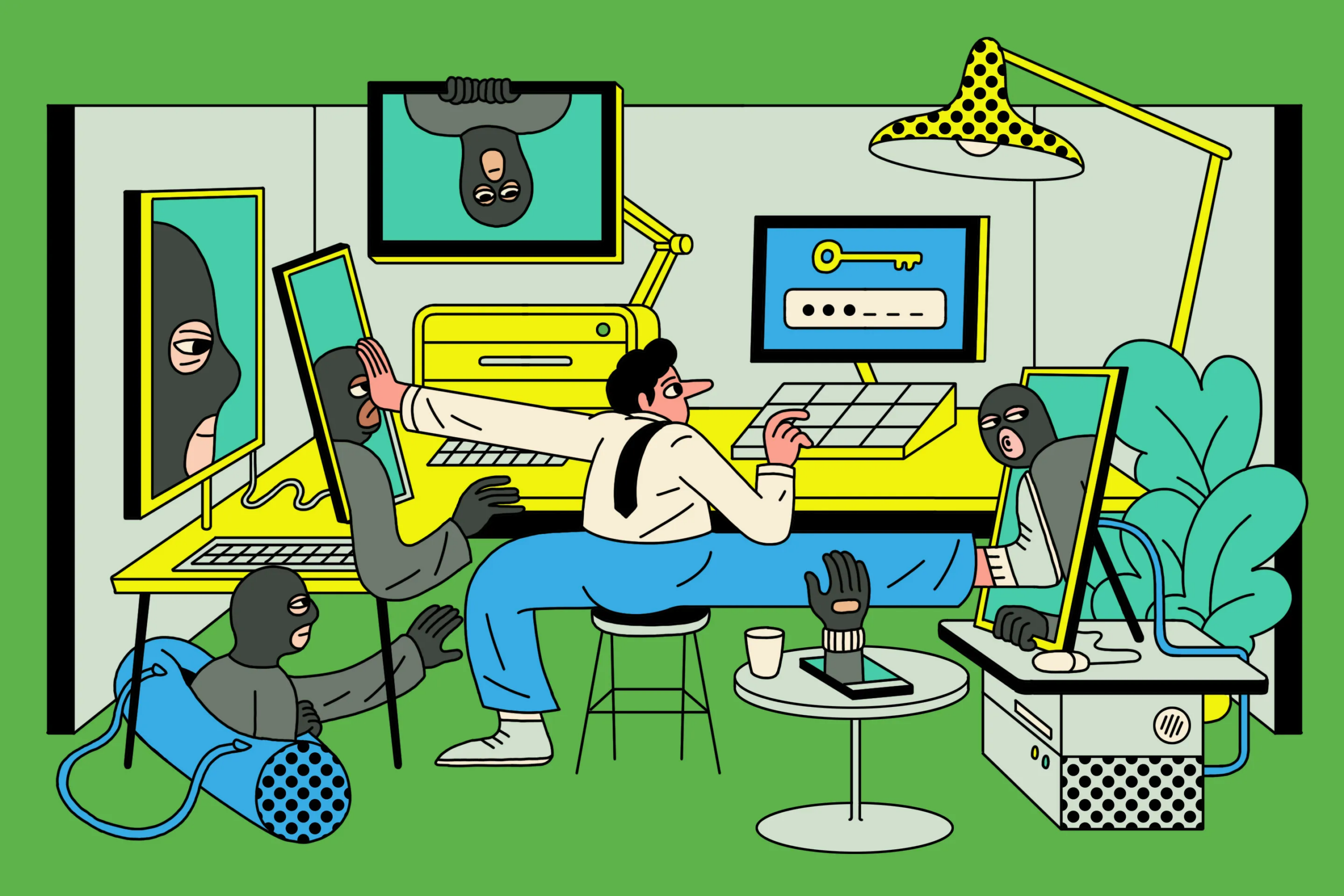
Hidden AI risks are becoming a major headache for big companies like Microsoft lately because employees are starting to use random tools without telling their bosses. This whole thing is often called shadow AI and it happens when people want to get their work done faster so they just sign up for any website that promises to write emails or fix code. The problem is that these Hidden AI Threats mean that private company data might be leaking out to servers that nobody controls or even knows about. Microsoft is basically sounding the alarm because they see how many people are putting sensitive info into these free bots that don’t have any real security.

Read Also: AI Usage Rates in 2026 Show Major Shift as Rivals Surge
It is pretty easy to see why this is happening since everyone is excited about how much time they can save with new tech. But when you don’t have a plan for Hidden AI Threats you end up with a mess where nobody knows where the data is going. If a worker puts a secret product plan into an unapproved bot to summarize it that data is now out in the wild. This is exactly why the warning about Hidden AI Threats is getting so loud right now in the tech world.
How companies can manage Hidden AI risks
The first thing a business needs to do is actually talk to their staff about what tools are okay to use and what ones are off limits. Dealing with Hidden AI Threats is not just about banning everything because that just makes people hide what they are doing even more. Instead of just saying no it is better to provide a safe and approved version of the tech so that the Hidden AI risks are reduced significantly. Managers need to understand that if they don’t give their team good tools the team will just go out and find their own regardless of the safety rules.
Another big part of the issue is that these free AI tools often keep the data you give them to train their future models. This creates huge Hidden AI risks for any business that has to follow strict privacy laws like in Europe or California. If your company info ends up in the public version of a bot it could pop up when a competitor asks a question later on. Microsoft is pushing for better governance because they know that ignoring Hidden AI risks will only lead to massive lawsuits and data breaches down the road.
Read Also: Is The Reliability Of AI Strong Enough For Us To Depend On It Forever?
Most average office workers don’t really think about the back end of the software they use every day. They just see a box where they can type and get an answer back in seconds which feels like magic. But that magic comes with Hidden AI risks that can hurt the company’s reputation if things go wrong. It is like using a random flash drive you found on the street and plugging it into the main server at work. You might think you are just being productive but you are actually opening a door for all kinds of trouble.
To stay safe you have to be curious about where your information is being stored and who has access to it. Reducing Hidden AI risks requires everyone to be a bit more careful with their typing habits and what they copy and paste into browser windows. Even though the technology is moving super fast the basic rules of safety should stay the same. If a tool feels too good to be true and doesn’t ask for a login or have a clear privacy policy it is probably one of those Hidden AI risks you should stay away from.

Read Also: How will the AI Safety Report change how we use computers and smartphones?
The goal isn’t to stop using cool new tech but to use it in a way that doesn’t put the whole company in danger. By shining a light on these Hidden AI risks we can actually make the workplace better and more secure for everyone involved. It takes some effort to set up the right guardrails but it is much cheaper than dealing with a hacked system later.