


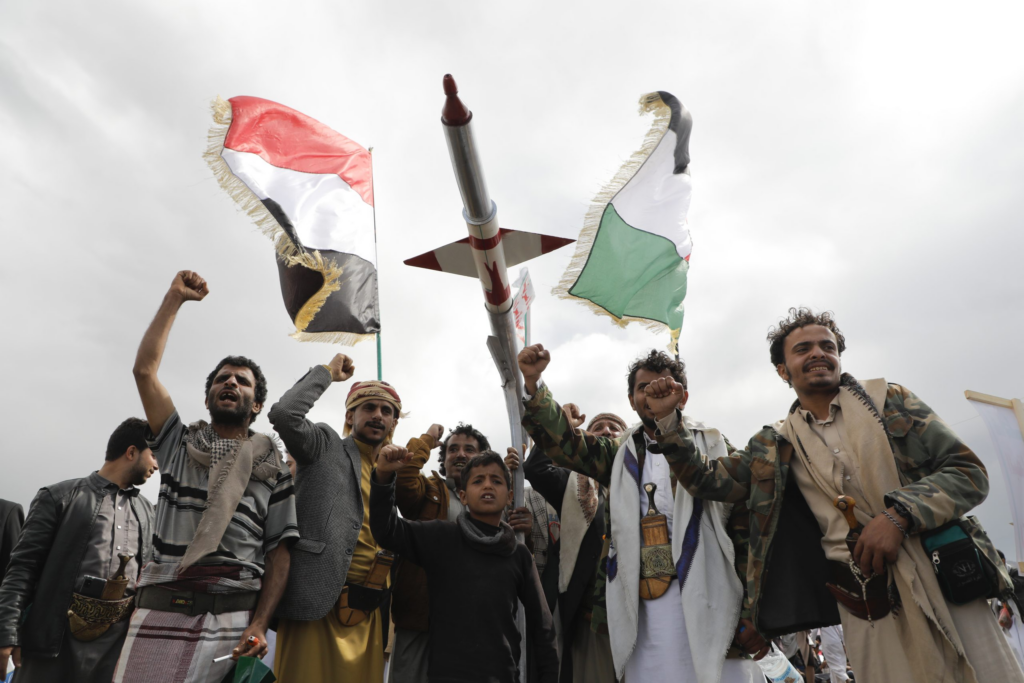
Houthi threats escalate across the Red Sea region after the leadership of the Yemeni group in Sanaa announced that they will stand firmly against all Israeli plans in Somalia and the Horn of Africa. The official statement was released by the ministry of foreign affairs in the Houthi government following the sudden arrival of the breakaway Somaliland president Abdirahman Mohamed Abdullahi in Jerusalem to open a new embassy.
The group declared that they are fully prepared to use their military power to fail any geopolitical schemes that aim to give western allies a strategic foothold near the southern gate of the Red Sea. This aggressive warning has raised the regional tension significantly because it indicates that the ongoing maritime conflict could soon spill directly onto the land of the African continent.

Read Also: Somalia Parliament Campaigns Begin After Baidoa Elections
The strategic reasons behind why Houthi threats escalate over the Somaliland deal
The main development causing Houthi threats escalate so rapidly this week is the growing intelligence and military cooperation between the government in Tel Aviv and the separatist leadership in Hargeisa. According to international defense reports the newly signed agreements might allow foreign naval ships and intelligence units to utilize the strategic port and airport facilities located in Berbera.
The Houthi leadership views this geopolitical shift as a direct threat to their security because it places hostile forces just a short distance away from the coast of Yemen. By declaring that they will lie in wait for any foreign intervention the group is trying to create a psychological shield to discourage African administrations from signing long term defense deals with their main enemies.
Read Also: Somali Protest Rights Fuel Tensions Between Government and Opposition
Another primary factor behind the Houthi threats escalate announcement is the desire of the Yemeni group to align their political stance with the federal government of Somalia based in Mogadishu. The central Somali authorities have openly slammed the recognition of the breakaway northern territory calling the embassy opening in Jerusalem a dark violation of their national sovereignty. The Houthi media network stated that the Yemeni people stand completely side by side with the unified republic of Somalia in its fight to protect its land from being divided by foreign powers. This ideological positioning helps the group gain broader popular support across the Muslim world by framing their military actions as a noble defense of Islamic territories against external plots.
How regional stability is impacted as Houthi threats escalate near shipping lanes
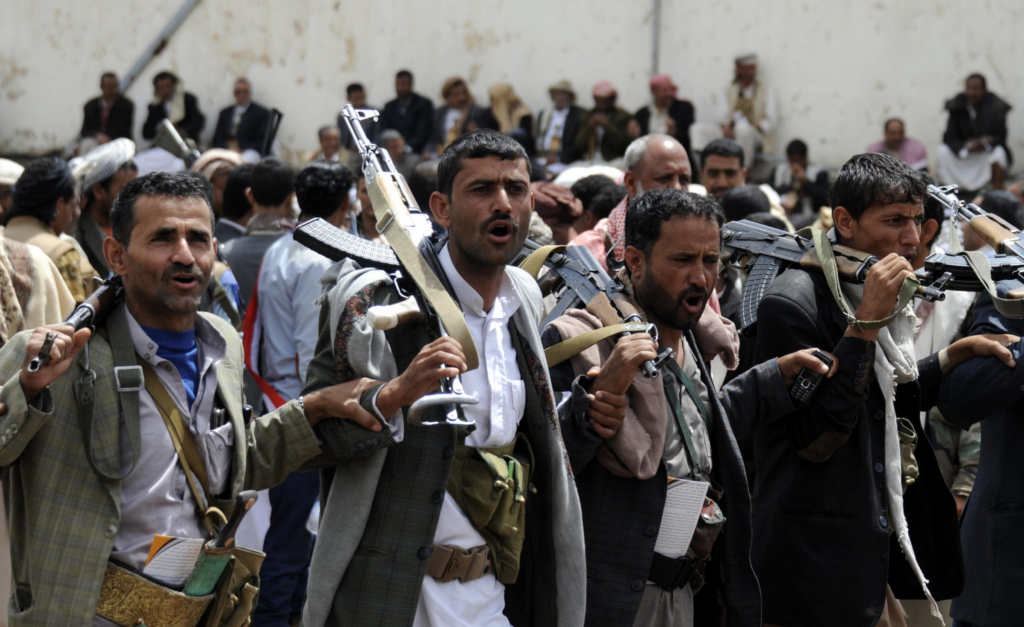
The general public is feeling highly anxious as Houthi threats escalate because the waters surrounding the Horn of Africa are already considered some of the most dangerous commercial corridors in the modern world. Military analysts are warning that the group might use their long range suicide drones and anti ship ballistic missiles to target any infrastructure projects built by foreign companies along the northern Somali coast.
This potential escalation would severely disrupt the flow of global trade ships moving through the Bab al Mandab strait forcing international transport corporations to take longer and more expensive routes around the entire continent. The local elders in the coastal villages are deeply worried that their peaceful fishing waters could turn into an active combat zone if the political leaders do not handle the situation with extreme caution.
The global political reactions after Houthi threats escalate their rhetoric
The international community has responded with great concern after the news of the Houthi threats escalate statement was broadcast by regional news channels. Several neighboring countries like Egypt and Turkey have recently intensified their own military cooperation with the central government in Mogadishu to help stabilize the fragile security situation in East Africa. These regional powers want to prevent any unauthorized military bases from being established near the Red Sea because a permanent foreign presence would completely alter the balance of power in the area. They are urging all local factions to reject controversial foreign alliances and focus entirely on building internal peace through diplomatic dialogues and fair economic treaties.
Read Also: UAE Developmental Role Strengthens Humanitarian Support in Somalia
In conclusion the dramatic rhetoric showing Houthi threats escalate over the Horn of Africa highlights the complex and interconnected nature of modern global conflicts today. We cannot look at the political changes happening in East Africa without understanding how they immediately affect the security calculations of armed groups sitting across the water in Yemen.
By threatening to strike any foreign installations the Houthis are sending a clear message that the entire Red Sea basin remains a highly volatile arena where any sudden diplomatic move can trigger a major military response. Regular citizens can only watch the unfolding drama with hope that international diplomats can find a peaceful solution to defuse this dangerous regional standoff before it harms innocent communities on both sides of the sea.