


Medical student AI programs are changing the way future doctors learn how to communicate because being a good physician is about much more than just knowing which medicine to give. In the past students had to practice on their friends or wait for real people in a hospital to learn how to be kind and clear when giving bad news.
But now in 2026 things are different because they can use smart computers that act like real patients with different personalities. This medical student AI technology allows a young doctor to make mistakes in a safe place where no one gets hurt. It helps them learn how to listen better and how to explain complicated science in a way that an average person can actually understand.

When a student sits down in front of a computer they are not just looking at a screen but they are talking to a virtual human. This medical student AI can pretend to be angry or scared or even confused which is exactly what happens in a real clinic.
By practicing with these digital patients the students get more confident and they learn how to stay calm when a situation gets stressful. It is like a flight simulator for doctors but instead of learning how to land a plane they are learning how to land a difficult conversation with a worried family.
The Realistic Training of Medical Student AI
One of the coolest parts about this new way of learning is how fast the feedback comes. As soon as the session is over the medical student AI gives a report that shows if the student was polite enough or if they looked at their notes too much instead of looking at the patient.
It can even tell if the doctor’s voice was too loud or if they used words that were too big and scary for a normal person to follow. This kind of medical student AI feedback is very honest and it helps students fix their bad habits before they ever step foot in a real hospital ward.

Improving Empathy Through Medical Student AI
Many people think that computers are cold and have no feelings but medical student AI is actually helping doctors become more empathetic. The software can create scenarios where the patient has a very different background or culture from the doctor.
This teaches the student to be respectful and to ask the right questions to make the patient feel comfortable. By using medical student AI to walk in someone else’s shoes for an hour a day the doctors of the future are becoming more human and less like robots that just read test results from a piece of paper.
Handling High Pressure with Medical Student AI
In a busy emergency room there is no time to think twice and that is where medical student AI really saves lives. The computer can simulate a high-pressure environment where three things are happening at once and the student has to decide who to talk to first. This helps them manage their time and their stress levels so they don’t freeze up when things get real. The more a person practices with medical student AI the more natural it feels to handle a crisis with a clear head and a steady hand.
The goal of all this technology is not to replace real teachers but to give students more hours of practice than they ever had before. A professor can only watch one student at a time but a medical student AI can help a whole class of a hundred people all at once. It makes medical school more fair because everyone gets the same chance to try the hard cases. As we move further into 2026 we will see that the best doctors are the ones who embraced medical student AI as a partner in their education.
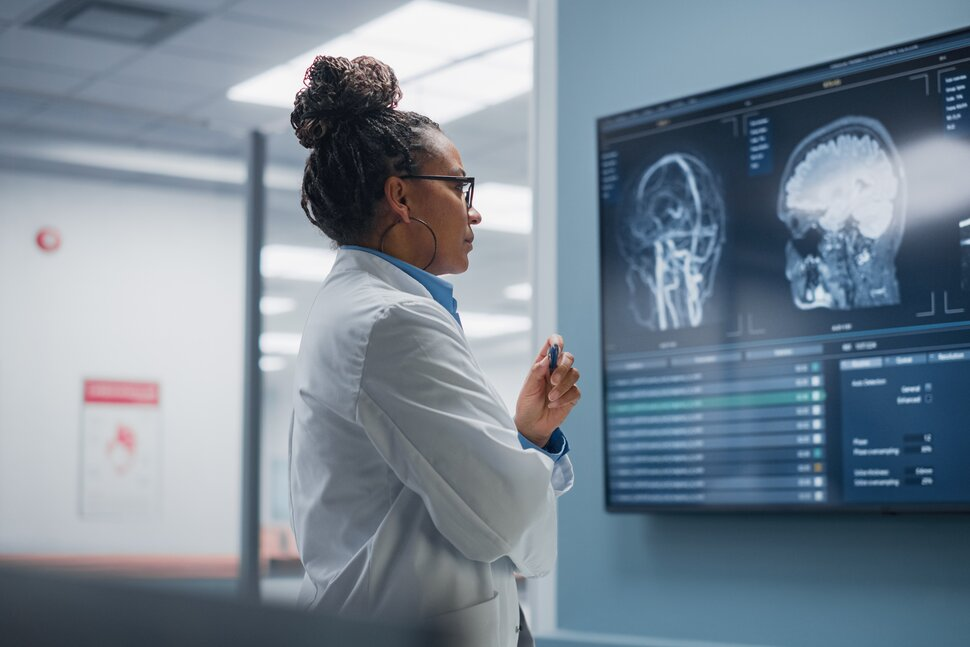
Using a medical student AI ensures that the next generation of healers knows how to treat the person and not just the disease. It is a wonderful blend of high-tech tools and old-fashioned kindness that will make our healthcare system much better for everyone.
Read Also: Will the Aviation Cyber Threats Change the Way We Look at Air Travel Safety?
If you go to the doctor in a few years and they are great at listening to you then you might have a computer program to thank for their training.