


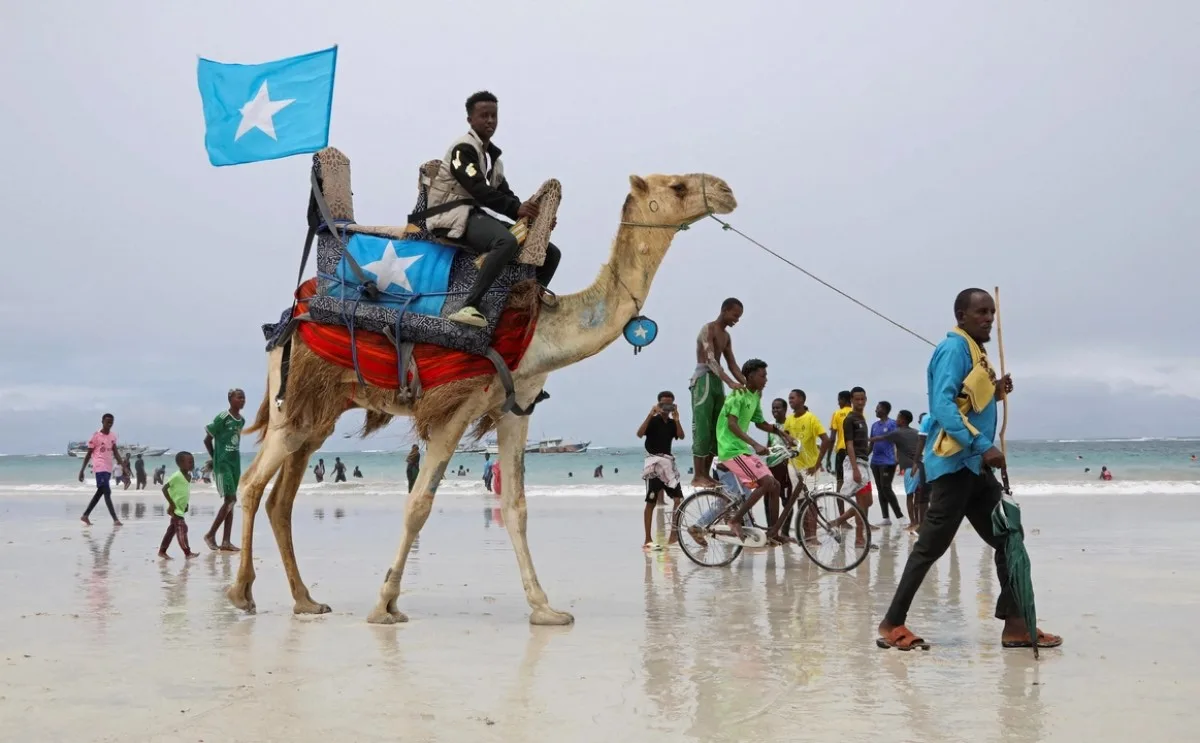
Somali Sea Traditions are a very deep part of our history that many people forget because we often talk more about our camels and the dry desert lands. But with over 3,000 kilometers of beautiful coastline, the longest in mainland Africa, the ocean has always been a second home for our ancestors who traveled as far as China and India hundreds of years ago.
These Somali Sea Heritage involve much more than just catching fish for dinner; they are about the art of building strong wooden boats called “beden” and knowing how to read the stars and the monsoon winds to find the way home. In cities like Zeila and Berbera, you can still see the old ruins that tell stories of a time when Somali sailors were the kings of the Indian Ocean trade routes. Today, the Somali Sea Heritage are seeing a new life as young people in Mogadishu and Kismayo start to take up surfing and diving, bringing a modern twist to the old ways of their grandfathers.
It is a very proud feeling to stand on the beach and realize that the Somali Sea Heritage helped our people survive through droughts and wars by providing food and wealth when the land was too dry to grow anything. We must teach the next generation about these Somali Sea Heritage so they understand that being Somali means having a heart that is as wide and as brave as the deep blue water.
The reason why we need to protect our Somali Sea Heritage right now is that the world is changing fast and our oceans are being threatened by illegal fishing and pollution. This Somali Sea Heritage heritage is the best weapon we have to reclaim our waters and build a “blue economy” where we can prosper without destroying the environment.
When we talk about Somali Sea Heritage, we are talking about the “Dhow” boats that used to carry frankincense and spices to the pharaohs of Egypt and the kings of Persia. Even the songs that our fishermen sing while they pull their nets out of the water are a vital part of the Somali Sea Heritage that keep our spirits high during a long day of work.
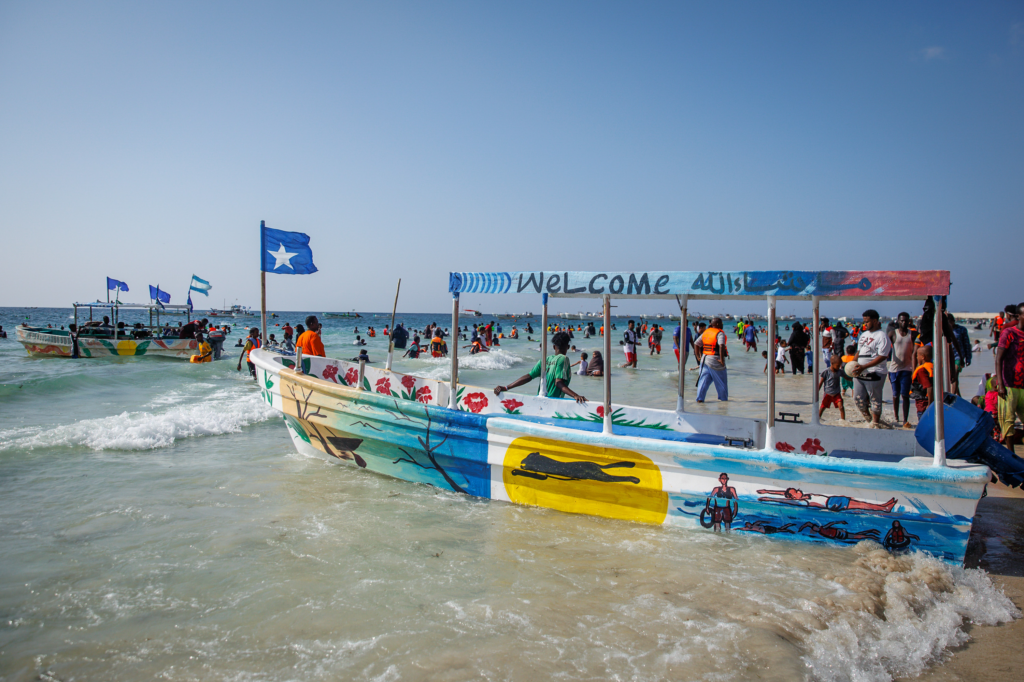
Because of the Somali Sea Heritage, our coastal towns have a unique style of architecture with coral stones and white walls that look like they belong in a dream. We are seeing more festivals lately where the Somali Sea Heritage are celebrated with boat races and traditional seafood cooking that brings everyone together regardless of their clan or background.
This Somali Sea Heritage revival is not just about the past but it is about creating a future where every Somali feels a connection to the waves and the treasures that lie beneath them.
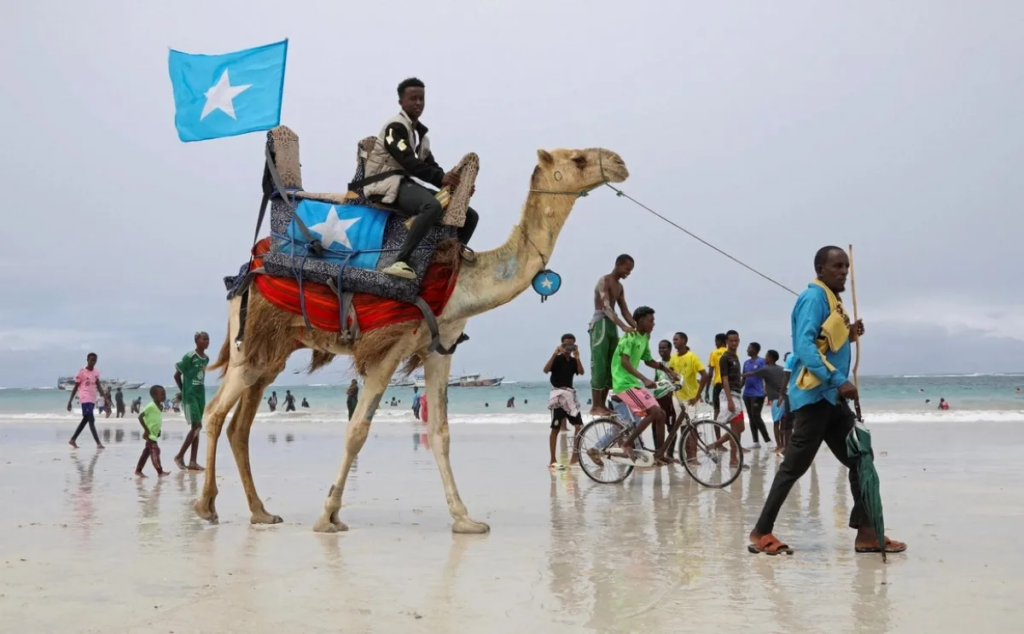
Pillars of the Somali Sea Traditions for Our Future
First, the Somali Sea Traditions are built on the knowledge of the “monsoon winds” which our sailors used to time their journeys to Asia and back without using any engines. Second, under the Somali Sea Heritage, the skill of “sewn boat” building is a rare art where planks are tied together with coconut fibers instead of using iron nails that would rust in the salt. Third, the Somali Sea Heritage include a rich diet of lobster, tuna, and shark that has kept our coastal people strong and healthy for centuries.
Fourth, through the Somali Sea Traditions, we have a long history of maritime law where the elders of the port would settle disputes between merchants and sailors fairly. Fifth, the Somali Sea Traditions are reflected in our poetry where the sea is often used as a symbol for both danger and great opportunity for the brave. Sixth and finally, the Somali Sea Traditions encourage us to respect the “marine life” because our ancestors knew that if you take too much from the sea today, there will be nothing left for your children tomorrow.
Saving Our Identity Through Somali Sea Traditions
As we look toward the rest of 2026, it is clear that the Somali Sea Traditions are the key to rebuilding our national pride and showing the world that we are a people of the water just as much as we are a people of the land. We don’t need to look to other countries for inspiration when we have the Somali Sea Traditions right here on our own shores waiting to be discovered again. The government is starting to talk about building a national maritime museum to house all the old tools and stories of the Somali Sea Traditions so they are never lost to time.
Read Also: Why Somali Cultural Unity Matters More Than Ever
The Somali Sea Traditions are a bridge that connects our past to our future and our land to the rest of the world. We should be very happy that we have such a rich and colorful heritage that survived so many challenges. Let us walk down to the shore, feel the salt on our skin, and remember that the Somali Sea Traditions are a gift that we must cherish every single day.