

Humanitarian Action for Somalia’s Children is the big plan UNICEF just rolled out to catch millions of kids before they slip through the cracks of drought, war, and hunger. With 4.8 million people – including 3 million children – facing real danger next year, UNICEF is asking for $171 million to hit 1.8 million of them with food, water, medicine, and school. Humanitarian Action for Somalia’s Children in 2026 isn’t some far-off dream; it’s trucks loading now, clinics opening, and moms learning how to keep their babies strong.
Humanitarian Action for Somalia’s Children in 2026 : The 6 Key Ways It Fights Back
- Nutrition packs that stop kids from wasting away Peanut paste, vitamin drops, and ready-to-use food for 430,000 severely malnourished kids under five. One packet costs pennies but can save a life in weeks. Last year similar packs helped 123,000 Somali children gain weight. Humanitarian Action for Somalia’s Children in 2026 starts with full bellies so little ones can grow.
- Clean water and toilets to kill cholera dead Boreholes, chlorine tablets, and soap for 1.2 million people in hot spots like Baidoa and Garowe. Dirty water spreads sickness fast in camps. One new water point can cut diarrhea 70 % in a month. Humanitarian Action for Somalia’s Children knows safe drinks mean healthy kids.
- Vaccines and clinics that chase diseases away Shots for measles, polio, and COVID for 792,000 children, plus mobile teams treating fevers on the spot. Conflict zones get extra help with tents and bikes. In 2024 over 230,000 kids got immunized through these runs. Humanitarian action for children 2026 in Somalia beats bugs before they bite.
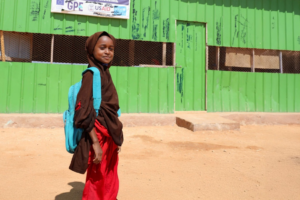
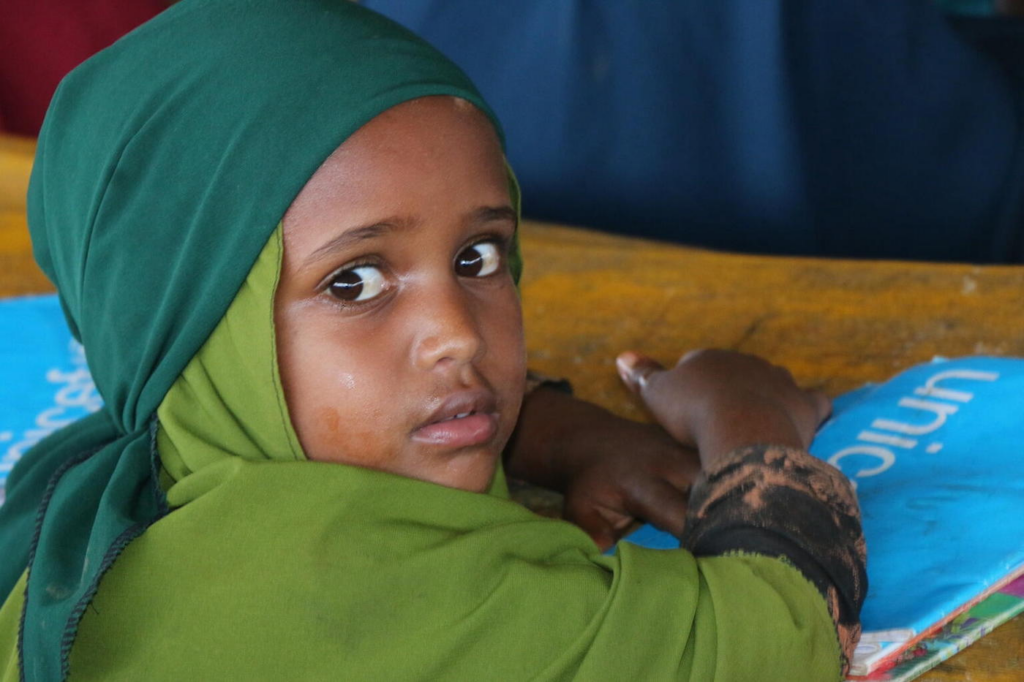
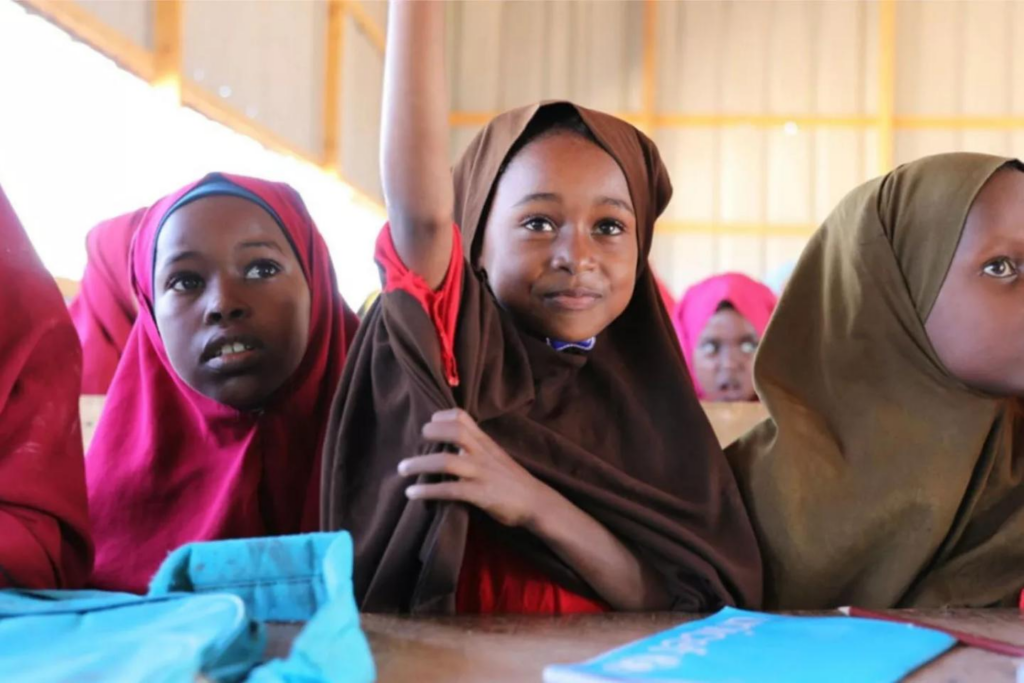
- School tents and books for kids in hiding Classes under trees, free notebooks, and teacher training for 300,000 out-of-school boys and girls by 2026. War and floods close doors, but tents open them. One program in Galmudug got 5,000 kids reading after years away. Humanitarian action for children 2026 in Somalia builds brains that war can’t break.
- Safe play spots to protect little hearts Child-friendly spaces with games, counselors, and safe corners for kids seeing too much fighting. Over 9 million children with disabilities get special help too. In camps like those in Hirshabelle, these spots cut trauma cases 50 %. Humanitarian action for children 2026 in Somalia heals minds as much as bodies.
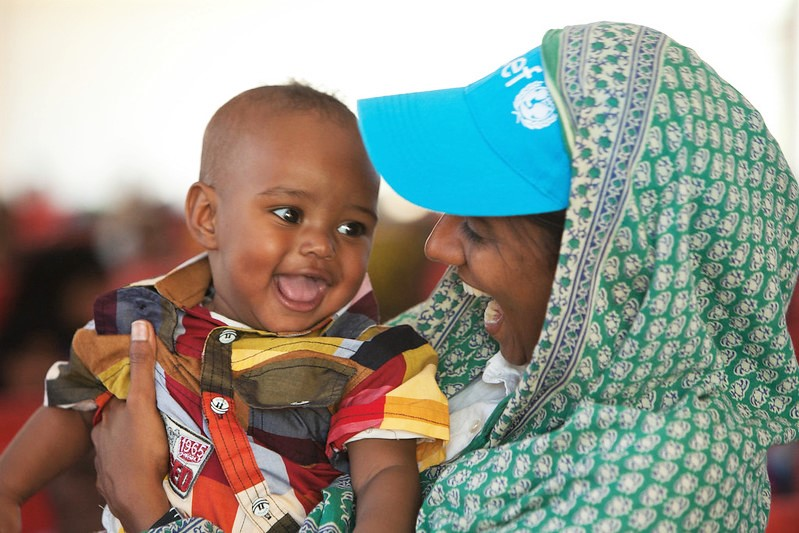
- Mom training to break the hunger cycle Classes on breastfeeding, iron-rich foods, and garden seeds for 1.1 million women. Strong moms mean strong babies. The UK’s Better Lives program already reached 4 million by 2026 with health tips. Humanitarian Action for Somalia’s Children in 2026 starts with moms who know how to fight.
The Mess UNICEF Is Stepping Into
Somalia’s kids are in deep trouble. La Niña rains failed again, leaving 4.4 million facing hunger by December 2025. Conflict keeps 1.85 million toddlers at risk of wasting away, bellies swollen from no food. Floods in the south mixed sewage with puddles, sparking cholera that killed hundreds. War scatters families into camps where one sick kid spreads fever to a hundred. Humanitarian Action for Somalia’s Children sees 6.9 million needing help, up from last year because the bad luck keeps coming.
One mom in Baidoa told a worker, “My boy is three but weighs like a baby. The sun took our goats, the rain never came.” That’s the face of the crisis – skinny arms, tired eyes, dreams on hold.
Why This Plan Could Change Everything
UNICEF leads clusters for nutrition, water, health, and protection, teaming with WFP, Save the Children, and local groups. The $171 million isn’t pocket change; it’s for 1.2 million people, half kids. Flexible cash means quick buys when floods hit or fighting blocks roads. Multi-year funding from UK and others like the $38 million Better Lives program keeps things steady till 2026.
In 2024 UNICEF immunized 230,000 kids and treated 123,000 for malnutrition. Now they’re aiming bigger, reaching 744,000 children with everything from vaccines to safe play. Humanitarian Action for Somalia’s Children adapts to the mess – drones for remote drops, apps for tracking needs, local women as frontline workers.
The Hard Road Ahead
Funding’s the killer. The UN asked for $1.4 billion last year and got 12 %. Clinics close, trucks park, kids wait. Al-Shabaab blocks some areas, floods wash out others. But UNICEF pushes on, partnering with Somali government at federal and district levels. One success story: in Puntland a nutrition drive cut wasting 40 % in six months.
A nurse in Garowe said, “We see the fear in moms’ eyes. But when a baby smiles after a full meal, that’s why we keep going.” Humanitarian Action for Somalia’s Children is that smile, one packet, one shot, one safe tent at a time.
Read Also: Can Improving Maternal Nutrition in Somalia Save Thousands of Mothers and Babies Every Year?
Six key ways, one big hope: Humanitarian Action for Somalia’s Children can turn the tide if the world steps up with cash and courage.
Because Somalia’s kids aren’t numbers; they’re the future waiting to run.
Send the trucks. Open the clinics. Feed the little ones.