


Learning practical skills is becoming a massive topic for young people who are trying to decide what to do with their future. Many students wonder if spending four years at a college is really worth the huge cost and time. In the past almost everyone believed that getting a degree was the only real path to a good career. Times have changed very fast over the last decade because companies now look for people who can actually do the job right away. Learning practical skills gives you a big advantage because you can start working on real projects without waiting years to finish school.

Read Also: 7 Factors Behind Low Somalia School Enrollment
Why learning practical skills is taking over traditional education
The job market is moving much faster than university programs can keep up with. Technology changes every single year and many degree courses teach old theories that do not help in the real world. When you focus on learning practical skills you can pick up fresh tools like coding graphic design or digital marketing in just a few months. Employers care most about your portfolio and what you can build today. If you can show a company that you already know how to solve their problems they will often hire you even if you do not have a piece of paper from a famous school.
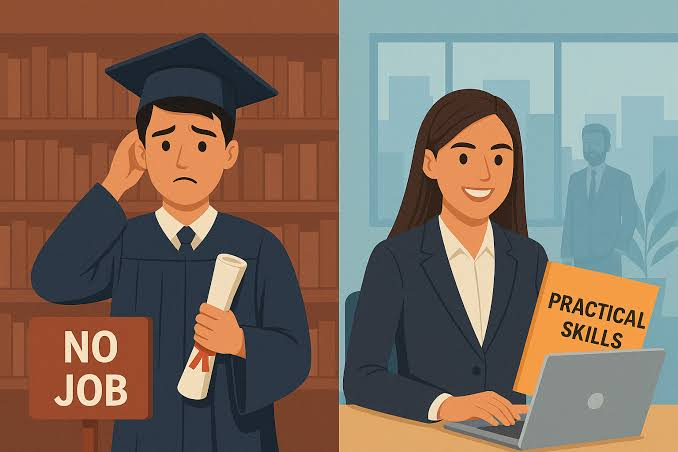
Another big reason is the money aspect of higher education. College degrees are getting extremely expensive and many graduates end up with huge debt that takes decades to pay back. On the other side learning practical skills can be done online for free or for very low costs. You can take short courses watch video tutorials and practice on your own schedule. This means you can start earning money much faster without the heavy financial stress that comes with traditional degrees.
Read Also: Special education growth in Somalia: What can help?
However degrees still have some value in specific fields. If you want to be a doctor lawyer or civil engineer you definitely need a formal degree because of laws and safety rules. But for most business technology and creative jobs the shift toward practical abilities is very clear. Companies are dropping their degree requirements to find talent from different backgrounds.
Read Also: Tech in education changes how students learn?
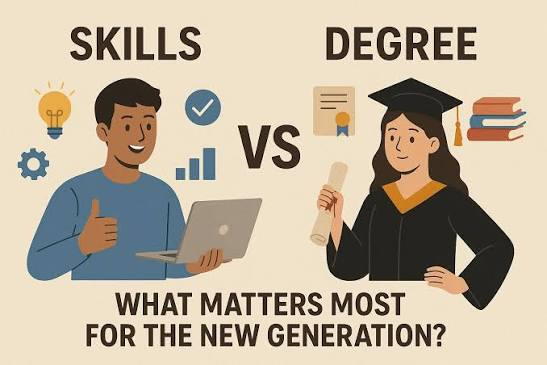
In the end the choice depends on your personal goals and the field you want to join. Combining both is often the best strategy if you have the chance. But if you have to pick one for modern tech and creative fields focusing on learning practical skills will likely open doors much faster and save you a lot of money along the way.