


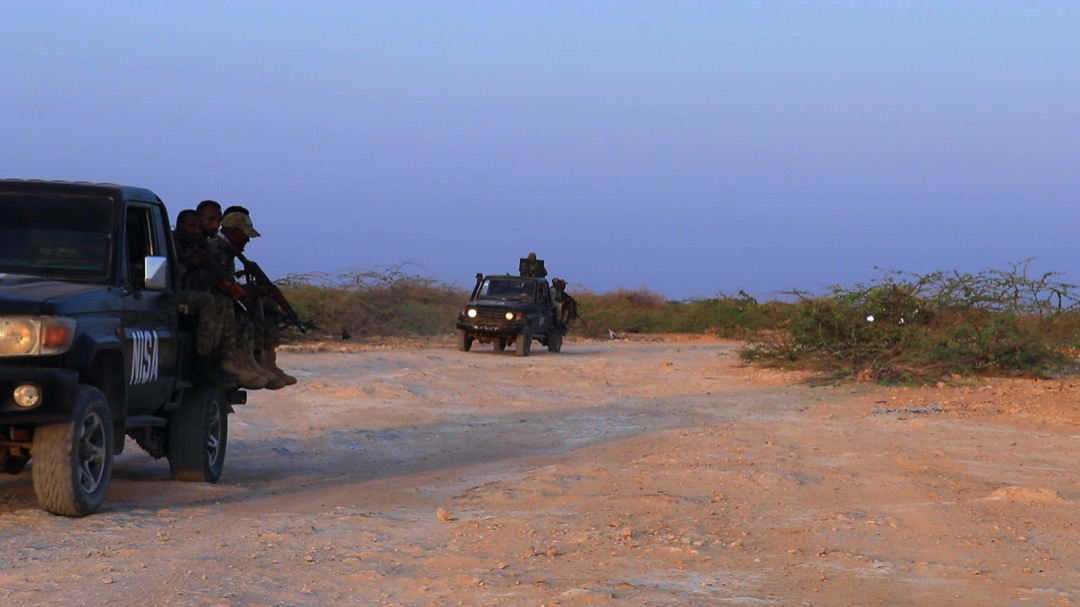
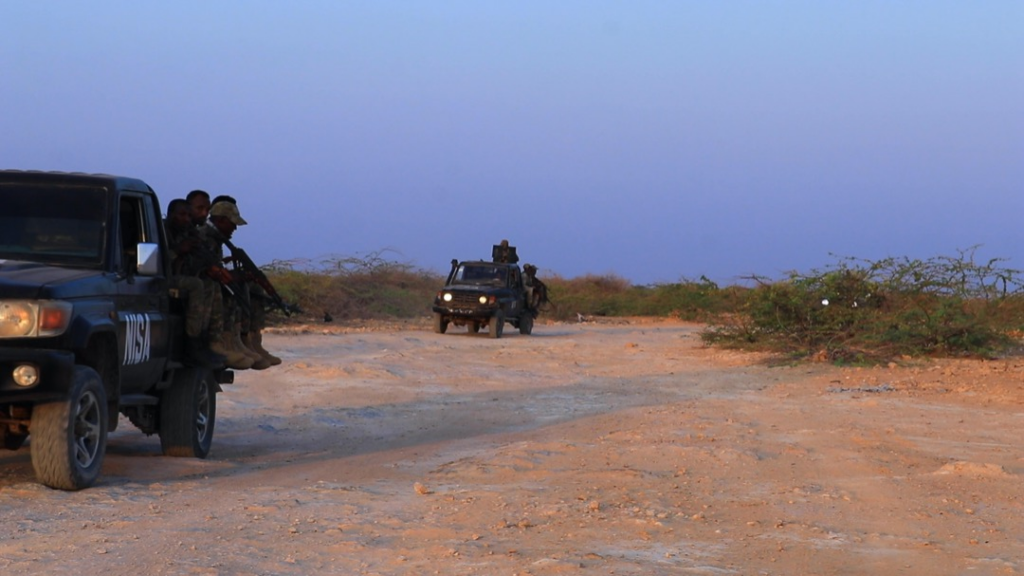
NISA strike success is the headline currently dominating the news in Mogadishu after a major security announcement. Somalia’s National Intelligence and Security Agency (NISA) confirmed that they successfully eliminated a high-ranking Al-Shabaab commander during a precision operation in the Lower Shabelle region. This specific mission took place in the Hantiwadaag neighborhood of the Awdheegle District, a place that has seen a lot of fighting over the years. According to official reports, this NISA strike success was the result of a massive 150-day intelligence manhunt where undercover agents tracked the leader’s every move. The government says this operation was a way to get justice for the many innocent civilians and soldiers who have been hurt by the bombings planned by this specific terrorist mastermind.
Read Also: Somali Economy Outlook: Can Challenges Fuel Growth?
Precision Targeting in the Awdheegle District
The details of the mission show that it was not a random attack but a very carefully planned strike. Security officials explained that the NISA strike success happened overnight to make sure there was no danger to the people living nearby. By using advanced technology and international partner support, the intelligence team was able to hit the exact house where the leader was hiding. This NISA strike success in Lower Shabelle is part of a larger push by the Somali government to take back control of the main roads and farming zones that the group has used for years to extort money from the local population. It sends a strong message that there is nowhere left to hide for the top leaders of the insurgency.
The Impact of Operation Rolling Thunder
This recent hit is actually part of a much bigger military campaign called “Operation Rolling Thunder” which was launched just a few days ago in March 2026. The NISA strike success provides a huge boost to the morale of the Somali National Army and the African Union forces who are working together in the south. By taking out a key coordinator, the government hopes to disrupt the group’s ability to plan new attacks on the capital city. Many experts believe that this NISA strike success will make it harder for the group to collect “taxes” from the farmers in the Shabelle region, which is their main source of income. Without their leaders and their money, the fighters on the ground will find it much more difficult to stay organized during the coming months.
A Long Manhunt Ends in Lower Shabelle
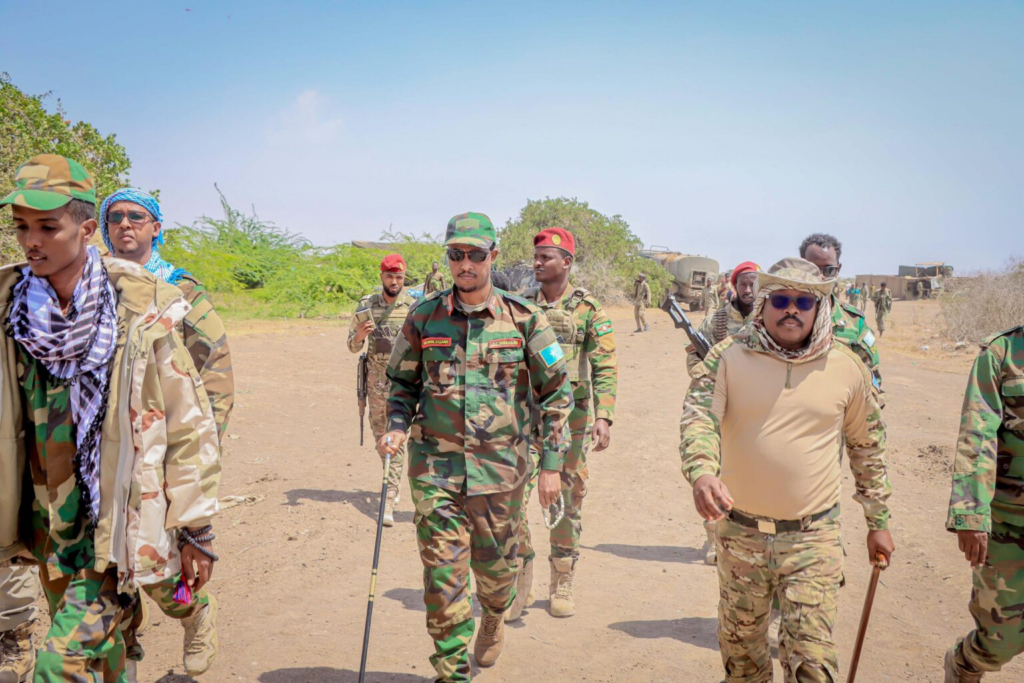
Tracking a high-value target for over five months is a very difficult task that requires a lot of patience and bravery from the intelligence officers. The NISA strike success shows that the agency has improved its ability to gather secret information and act on it quickly. In the past, many leaders were able to escape because the operations were too slow or the information was leaked, but this time the trap was perfectly set. This NISA strike success is being celebrated as a major win for the “total war” strategy that the President has been talking about since last year. It proves that the government is getting better at using “intelligence-led” warfare to win the battle without causing a lot of destruction to the towns.
Read Also: Ethiopia Troops Accused: Somalia Questions Their Role
What This Means for Future Security
As the news of the NISA strike success spreads, many people are wondering if this will finally lead to a period of calm in the region. Lower Shabelle has always been a “hot zone” because it is so close to Mogadishu, making it a strategic area for anyone who wants to control the country. If the government can follow up on this NISA strike success by building more police stations and fixing the local schools, they might be able to keep the group from coming back. The Ministry of Defense has promised that these targeted strikes will continue until every major ringleader is removed. For the families living in Awdheegle, the NISA strike success is a sign that the government is finally starting to provide the protection they have been asking for for a long time.
International Cooperation and Technical Support
We should also mention that this NISA strike success was not done alone; it involved close coordination with international security partners who provided the “air assets” and technical surveillance. This partnership is vital because it allows the Somali forces to see the battlefield from above and hit targets with extreme accuracy.
Read Also: Somalia Saudi agreement reshapes Red Sea security
The NISA strike success is a good example of how the new AUSSOM mission is helping the local army take the lead in these dangerous missions. As long as this cooperation stays strong, we can expect to see more news like this in the future. The era of the “unreachable” commander seems to be coming to an end as the digital eyes of the intelligence agency grow more powerful every day.