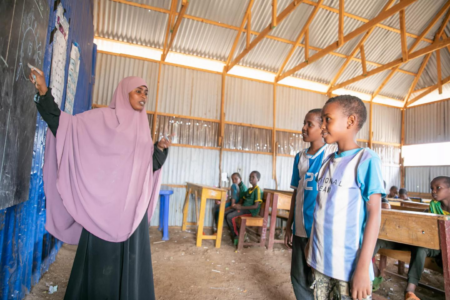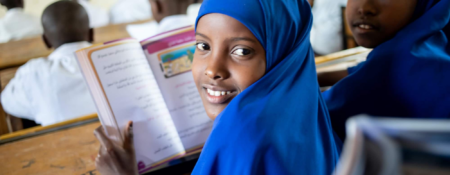
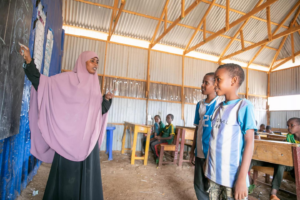

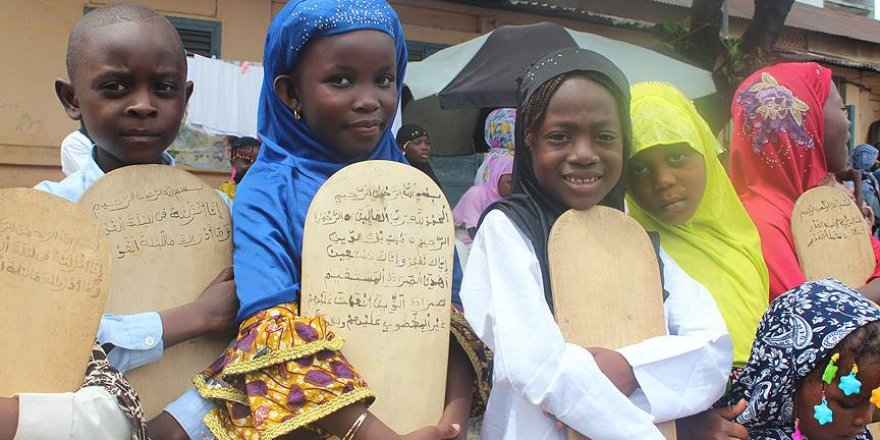
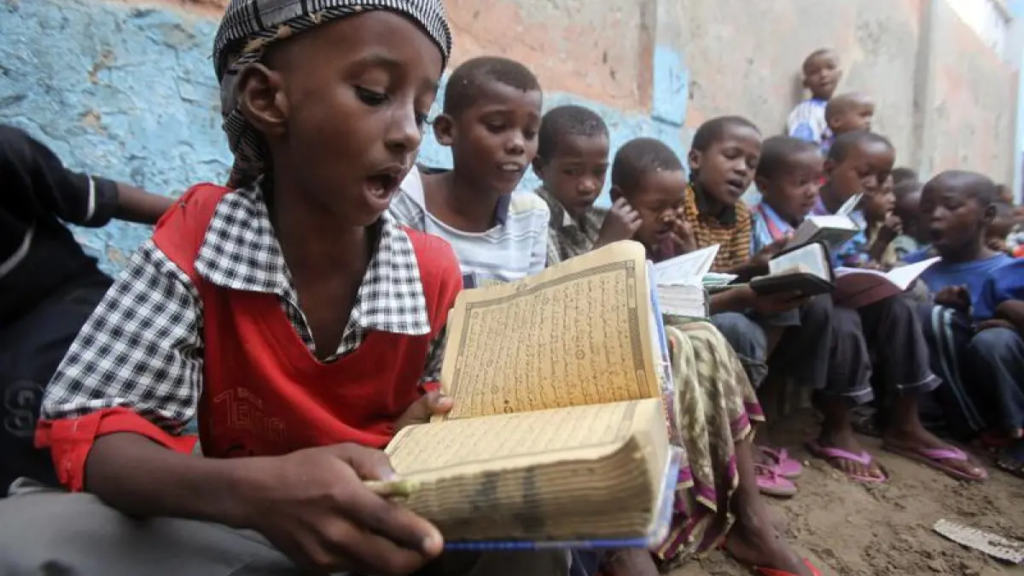
Quranic schools role in the local society is something you cannot ignore if you want to understand how kids in Somalia get their start in life and learning. These places which are locally known as Dugsi are found in every single village and every street corner in the big cities like Mogadishu or Hargeisa. The Quranic schools Impact starts very early for most children because they often begin their studies as young as four or five years old sitting on the floor with their wooden tablets. It is here that they learn the basics of reading and writing the Arabic script while they memorize the holy book which gives them a solid foundation before they even think about going to a regular primary school.
Read Also: Somali Girls Education Builds Stronger Families & Futures
For many families living in rural areas where the government might not have built any modern buildings yet the Quranic schools Impact becomes even more critical because it is the only form of education available to them. The teachers who are called Macallins are highly respected members of the community because they dedicate their whole lives to teaching the next generation. People trust them with their children because the Quranic schools Impact is seen as a way to keep the culture and the faith alive even when times are tough or when there is no money for expensive private tutors.
The social impact of the Quranic schools role
Beyond just teaching religious texts the Quranic schools Impact involves teaching children about discipline and how to behave well with their elders and their peers. You will see kids from all different backgrounds sitting together in the same circle which shows that the Quranic schools Impact is a great equalizer in a society that has seen a lot of division in the past. It does not matter if your family is rich or poor once you enter the Dugsi everyone is treated the same and everyone has to work hard to finish their lessons for the day. This sense of community and shared purpose is a huge part of why these schools have survived for hundreds of years despite all the wars and changes in the country.
Read Also: The Somali School Struggle and the Future of a Generation
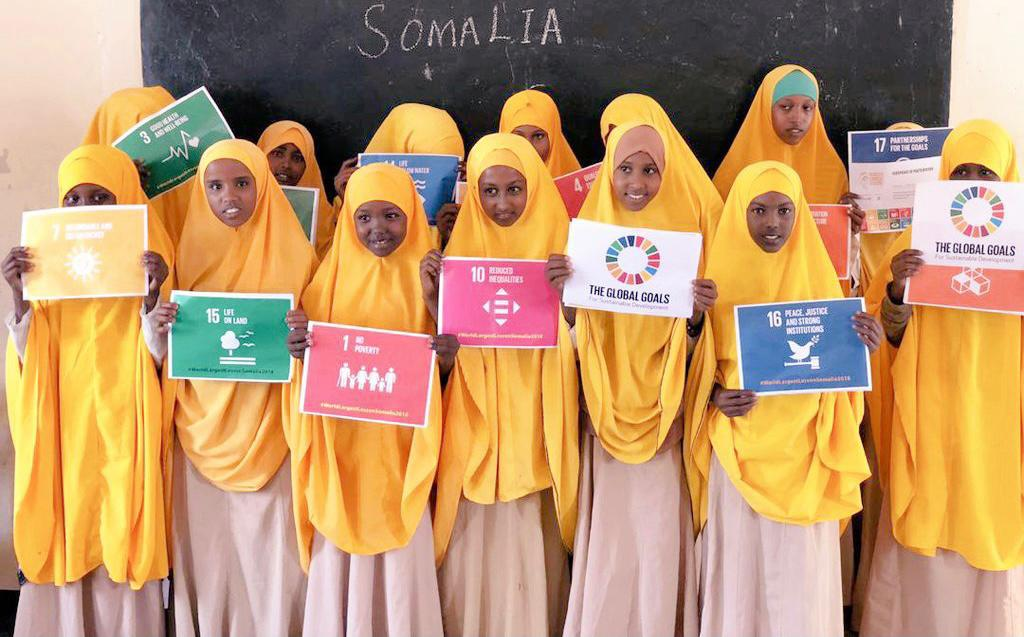
In the modern world some people wonder if the Quranic schools role needs to change to include things like math or science so that kids are better prepared for the job market. There are now many programs trying to integrate these traditional settings with a more modern curriculum because they realize that the Quranic schools role is the best way to reach the most children in the shortest amount of time. If you can use the existing network of these schools to teach basic literacy and health facts you can solve a lot of problems very quickly. This hybrid model respects the history of the Quranic schools role while also looking toward a future where every child can compete in a global economy.
Challenges facing the Quranic schools role today
One of the biggest issues is that many of these schools do not have proper toilets or clean water and the buildings are often just simple shacks made of wood or iron sheets. To strengthen the Quranic schools role the government and international groups need to provide better support to the teachers who often work for very little pay or just small gifts from the parents. Improving the physical environment of these places would make the Quranic schools role even more effective and keep the children healthy while they spend long hours studying in the heat. It is a challenge that requires a lot of coordination between the religious leaders and the ministry of education.
Another thing to consider is that the Quranic schools role is a major part of the oral tradition in Somalia where people have always valued the power of memory and speech. By memorizing long chapters of the Quran the students develop incredible mental skills that help them in other areas of life like storytelling or law. The Quranic schools role keeps this unique part of the Somali identity alive in a world that is becoming more and more digital every day. It is a link to the ancestors and a way to make sure the values of the past are not forgotten by the youth of today.
It is clear that the Quranic schools role will remain the backbone of the educational system in Somalia for a very long time to come. Even as more universities and high schools open up the journey always starts at the Dugsi with a wooden board and a piece of charcoal for ink. The Quranic schools role is about more than just books it is about building the character of a nation and giving every child a sense of belonging. As long as there are people in Somalia there will be these schools playing their part in shaping the future of the country.