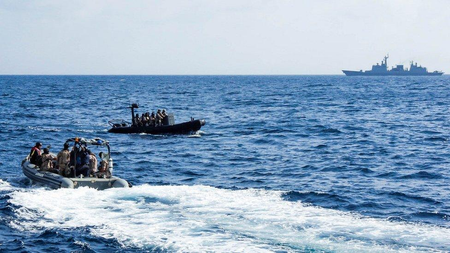



ship hijacking incident took place in the eastern part of the gulf of aden during the early hours of Friday morning, which caused a huge security alarm for trading companies operating across the region. The United Kingdom Maritime Trade Operations received an urgent report that an unknown group of armed men suddenly boarded a large vessel while it was sailing peacefully near the coastline of Yemen. According to the official maritime statements, the ship was located about one hundred and twenty kilometers south of the city of mukalla when the attackers took complete control of the steering wheel and forced the crew to change their direction completely.
Read Also: Baidoa Heavy Clashes: Why Did Violence Break Out?
The authorities immediately launched an investigation to track the vessel, and they confirmed that the boat was driven straight into the deep territorial waters of Somalia, which made the international agencies classify the crisis as a serious ship hijacking incident that threatens global supply chains.
Rising Tensions and Regional Accusations
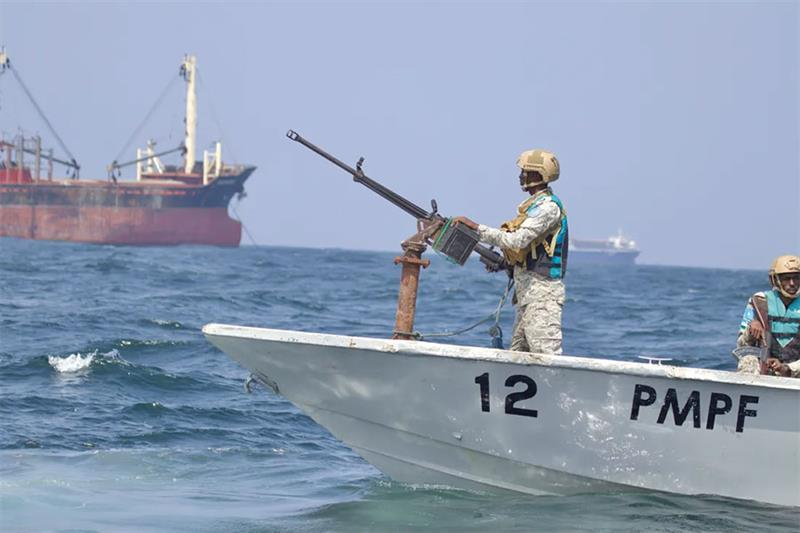
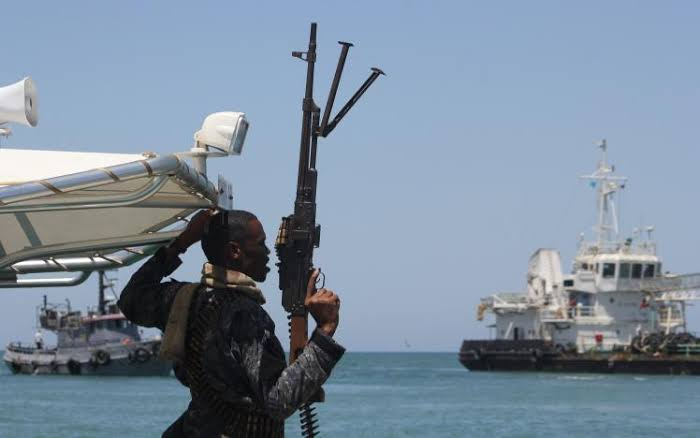
The coast guard forces of Yemen announced that they are monitoring the captured oil tanker named asana very closely to see where the kidnappers will drop their anchor along the beach. The local officials blamed somali pirates for this aggressive move, but they did not share the names of the true owners of the vessel or give details about the nationalities of the workers trapped inside. No group has come forward to claim responsibility for the attack yet, which makes the whole situation very mysterious and dangerous for the rescue teams. This new ship hijacking incident shows that the waters between Yemen and Somalia are becoming very unsafe again for commercial boats that carry oil and goods between different continents of the world.
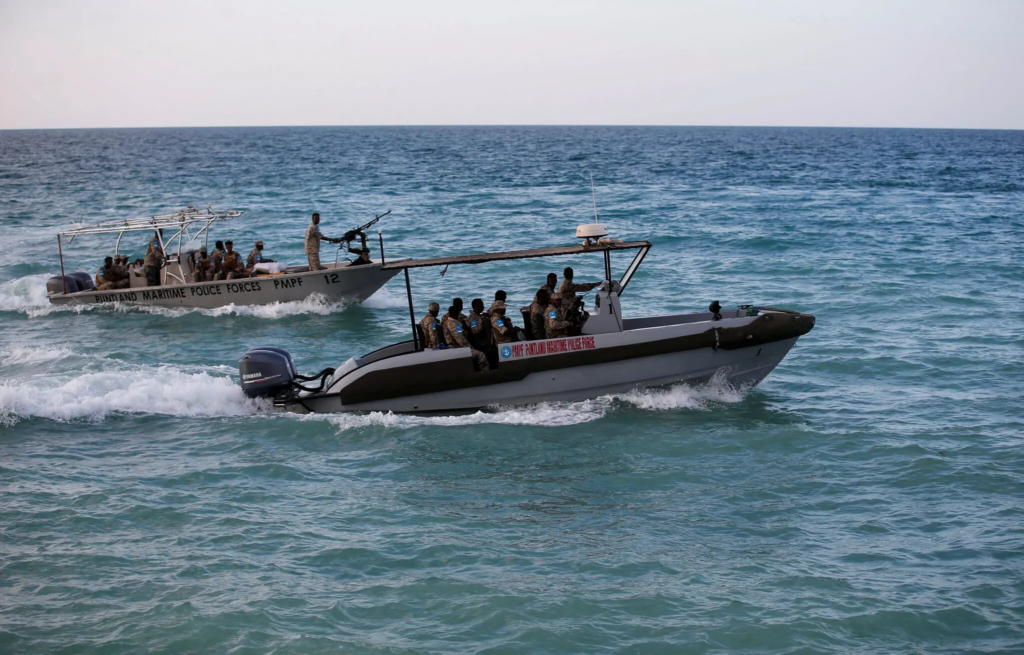
How the ship hijacking incident affects international maritime trade
The problem of sea robbery is not a completely new thing for this part of the world, because these waters experienced massive security issues between the years two thousand and eight and two thousand and eighteen. During that dark decade, hundreds of massive cargo ships were captured by armed groups who demanded millions of dollars in cash before letting the crews go home to their families. The heavy presence of international warships managed to stop the attacks for a long time, but the recent ship hijacking incident proves that the danger is returning fast. The current political trouble and conflicts around the red sea area have allowed the criminal networks to start their dangerous business out on the ocean once again.
Previous Captures and Crew Safety Concerns
Earlier this year in the month of May, the government of Egypt confirmed that another oil tanker carrying eight Egyptian sailors was taken by force near the exact same coastline. Just a few days before that event, another big ship with twelve workers from India and Egypt disappeared from the radar screens in the same dangerous zone. Every single ship hijacking incident places the lives of innocent sailors in extreme danger, because they are kept as prisoners on their own boats for many months while the company owners argue about the money. The shipping firms are now forced to pay huge amounts of cash for private security guards to ride on their vessels to avoid another ship hijacking incident during the journey.
The defensive options for commercial vessels on the sea
Many shipping companies are choosing to hire retired military personnel to stay on the decks of the cargo boats while passing through the dangerous gulf. These guards use loud alarms and water hoses to keep the small pirate boats away before they can attach their long metal ladders to the sides of the ship. Preventing a ship hijacking incident is much cheaper than paying a giant ransom later, so the business owners are spending a lot of money on these safety measures today. However, some smaller trading companies cannot afford these expensive guards, which leaves their vessels totally open to sudden attacks when they sail past the somali coast.
Read Also: Why did local leaders stop aid groups in Puntland?
International Naval Cooperation and Future Security
The navies of several powerful nations like the United States and European countries are trying to work together to create safe pathways for the commercial fleets. They use regular helicopter flights and radar systems to spot suspicious fishing boats that might be carrying weapons or hidden ladders for criminal operations. When the navy receives an early warning about a ship hijacking incident happening nearby, they can send fast warships to intercept the attackers before they reach the shallow waters where military intervention becomes impossible. The global trade market depends entirely on the success of these naval patrols to keep the prices of goods stable in the supermarkets worldwide.
Long Term Impacts on Global Consumer Prices
If the security situation continues to get worse, the big shipping firms will stop using the short routes completely and drive their boats around the entire continent of Africa instead. This alternative path adds two weeks of travel time and burns thousands of gallons of extra fuel, which increases the transportation costs massively. In the end, the normal consumers will feel the pain because the price of food and fuel will rise in every country due to the effects of the recent ship hijacking incident on the transportation system. The leaders of the world need to find a permanent solution to the instability on the land if they truly want to secure the international trading routes for the future.
Final Thoughts on Maritime Stability
In conclusion, the latest crisis in the gulf of aden is a clear warning that the old dangers of the ocean are not gone completely. The successful execution of this ship hijacking incident will likely encourage other criminal groups to try their luck against vulnerable cargo vessels in the coming weeks. The navies must increase their presence immediately and coordinate their movements better to protect the shipping lanes from these modern pirates.
Read Also:Is Somalia current leadership Pushing the Nation Toward Collapse?
We can only hope that the current negotiations for the oil tanker asana will end peacefully without any loss of life for the innocent crew members who are caught in the middle of this regional conflict.