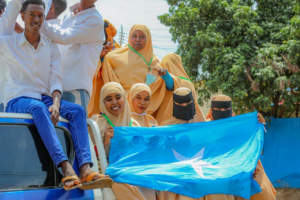

Somali higher education is going through a massive transformation right now as the country works hard to rebuild its schools after years of internal conflict. For a long time young people had very few choices if they wanted to get a college degree inside their homeland. However local communities and private businesses have built many new universities over the last decade to fill this huge gap. This rapid growth is a great sign for the future generation but it also brings major challenges regarding the quality of learning and the lack of resources for professors.
Read Also: Somali University Learning Rebuilds Nation and Empowers Youth
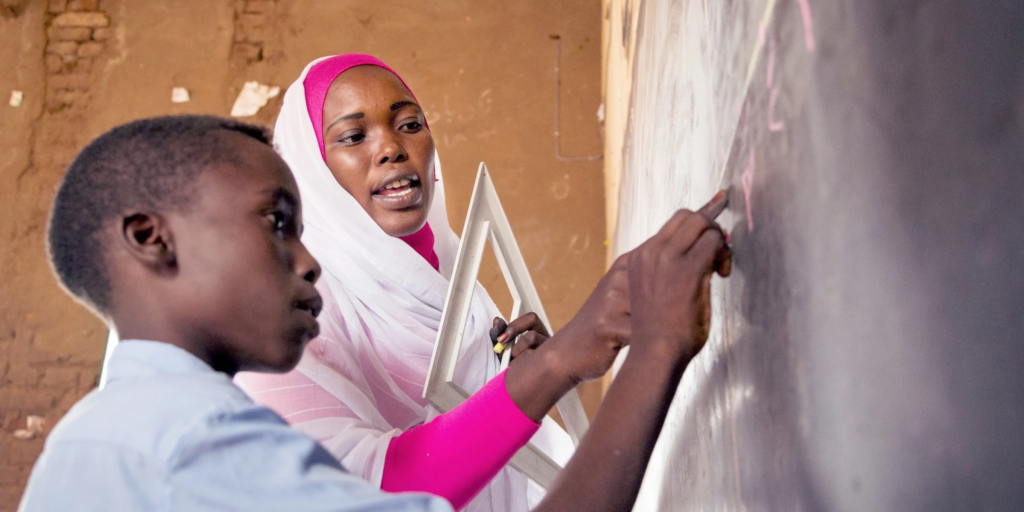
The rise of private universities and academic institutions
When you look at the current setup of colleges in the country you will notice that almost all of them are run by private organizations. These universities are located in major cities like Mogadishu Hargeisa and Garowe where they give thousands of young high school graduates a chance to learn.
The problem is that because these schools depend completely on student fees they can be very expensive for poor families to afford. At the same time the government is trying to strengthen public institutions so that everyone can have equal access to a good college degree regardless of their financial background.
Read Also: How Somali Girls Education Transforms Families and Communities
Somali higher education must focus on practical technical skills
The local job market has changed a lot recently and students need to choose their degrees carefully if they want to find work quickly after graduation. In the past almost every student wanted to study business administration or public relations because those were seen as easy paths to office jobs.
- Information technology: Companies need computer specialists to build websites manage local networks and secure data
- Agriculture and veterinary medicine: The economy relies heavily on farming and livestock so experts are needed to improve food production
- Healthcare and nursing: Local hospitals suffer from a severe shortage of qualified doctors and medical technicians
Somali higher education is slowly moving away from traditional theoretical lessons and trying to add more hands on training programs. This shift is highly important because local employers often complain that graduates have a lot of book knowledge but zero practical skills when they start working.
The critical shortage of scientific research opportunities
Somali higher education faces its biggest hurdle when it comes to funding academic research and building modern science laboratories. Most local universities operate purely as teaching institutions which means professors spend all their time in classrooms instead of discovering new things.
Without research funding it is very difficult for the country to solve its own unique problems like water shortages livestock diseases and climate change. Local academics are forced to look for partnerships with foreign universities in Africa or Europe to get their scientific papers published globally.
Why investing in academic quality matters for the future
Somali higher education requires a strong national regulatory system to monitor the quality of lessons and stop fake colleges from opening. The ministry of education has started checking university curriculums to make sure they meet international standards before granting official licenses.
Many local business leaders agree that Somali higher education is the only real tool available to reduce youth unemployment and build a stable economy. These same leaders note that Somali higher education can prevent young people from migrating illegally or joining dangerous local gangs if they see a real path to success at home.
When you look at the whole picture you realize that Somali higher education is doing an amazing job considering the difficult history of the region. The determination of young students to sit in crowded classrooms and study under tough conditions shows how much they value their futures.
Read Also: How Global School Aid Supports Education in Somalia
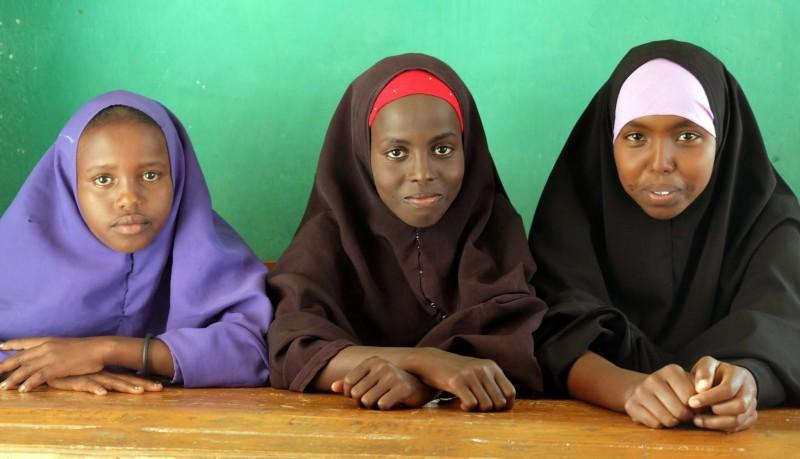
Everyone hopes that international donors will start putting more money into local university libraries and internet infrastructure so students can access global knowledge easily. Ultimately Somali higher education remains the absolute foundation for rebuilding the nation and it deserves full support from both local and international communities.