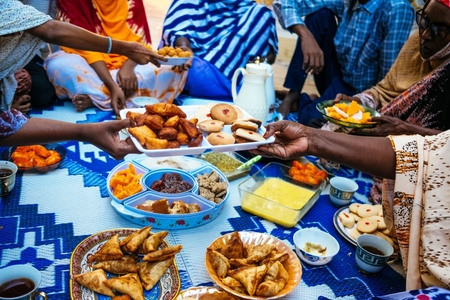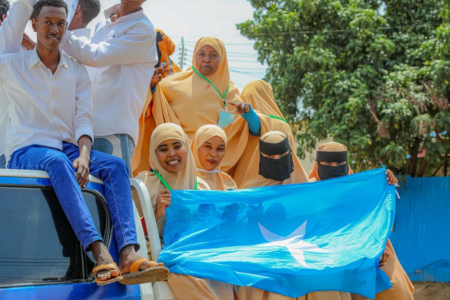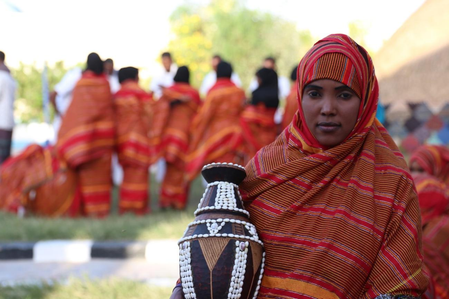
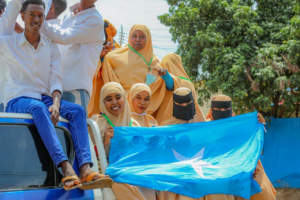


Somali holiday food is the most important part of any big gathering or festival in East Africa because cooking is how people show love and hospitality. Whenever there is a wedding a religious holiday like Eid or a big family reunion the kitchen becomes the busiest place in the neighborhood. For generations families have used special recipes filled with rich spices and fresh meats to honor their guests and celebrate their heritage. When you sit down to eat these traditional dishes you are not just tasting good ingredients but you are sharing a deep cultural history that connects people together.
Read Also: How Somali Hot Drinks Strengthen Traditional Gatherings
The massive preparation behind special community feasts
Preparing for these large events takes a lot of time and usually involves many women from the family working together the night before. They spend hours chopping fresh vegetables cleaning large cuts of meat and mixing secret spice blends that make the whole house smell amazing.
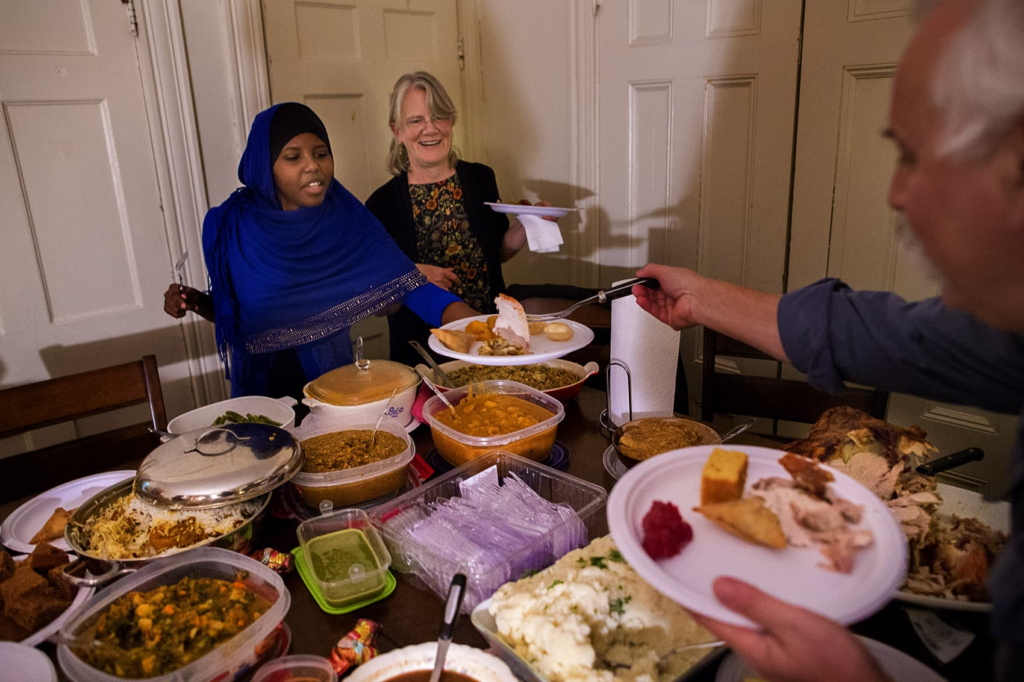
The main dishes are always cooked in giant pots over open fires or large stoves because they have to feed dozens of relatives and neighbors who walk through the door. Rice is a major base for almost every celebration meal and it is never plain because it is always cooked with cardamom cloves cinnamon and saffron to give it a beautiful color and aroma.
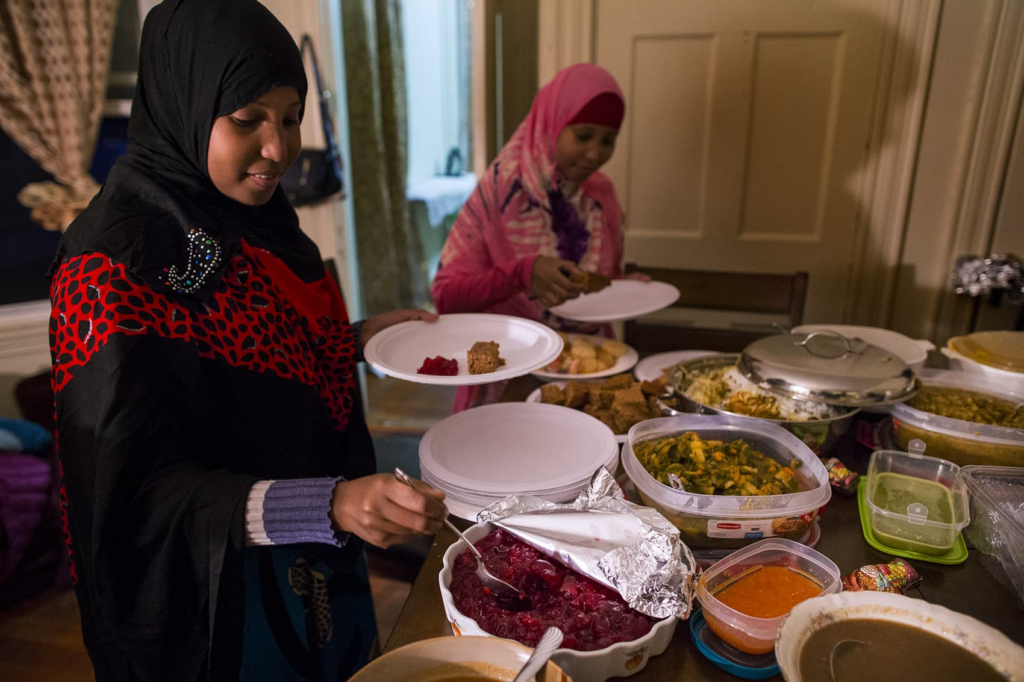
Somali holiday food always features rich rice and seasoned meats
The variety of food served during these celebrations shows the unique trade history of the region which mixes African Arab and Indian flavors. Guests always look forward to seeing specific traditional items on the platters when they arrive.
- Bariis Iskukaris: A delicious spiced rice dish cooked with meat or chicken and topped with raisins and fried onions
- Muqmad: Deep fried beef jerky pieces preserved in clarified butter that can last for a very long time
- Xalwo: A sweet sticky dessert made from sugar cornstarch and spices that is served at every single wedding
Somali holiday food relies heavily on tender goat meat or camel meat which is slowly roasted until it falls off the bone. Serving a large platter of rice with a banana on the side is a unique tradition that surprises outsiders but is absolutely essential for locals.
The sweet side of celebrations and hospitality
Somali holiday food is never complete without a large selection of sweets and traditional drinks to finish the long evening. After finishing the heavy meat dishes guests are always served small pieces of sweet halwa alongside hot cups of spiced tea or coffee mixed with ginger and cardamom.
This tea time allows relatives to sit down for hours to talk about family history share jokes and sing traditional songs together. Young kids run around the room looking for sweet biscuits and fried breads like kackac which are made specially for these festive days.
Read Also: Six incredible Somali tourism spots that you need to visit
How modern families keep these cooking traditions alive
Somali holiday food is facing some changes today because many young families live in big global cities far away from East Africa. However mothers and grandmothers make a huge effort to teach these classic recipes to the younger generation so the culture does not disappear.
Even if they live in cold countries they will hunt for the exact spices in local immigrant markets to recreate the taste of home. This effort is highly valuable because cooking Somali holiday food helps young people stay proud of their roots no matter where they live in the world.
When you look at the whole picture you realize that Somali holiday food is much more than just nutrition for the body. It is a powerful symbol of generosity community support and joy that keeps the society
strong and united during difficult times.
Read Also: Somali Visual Arts Reflect Cultural Heritage and Modern Life
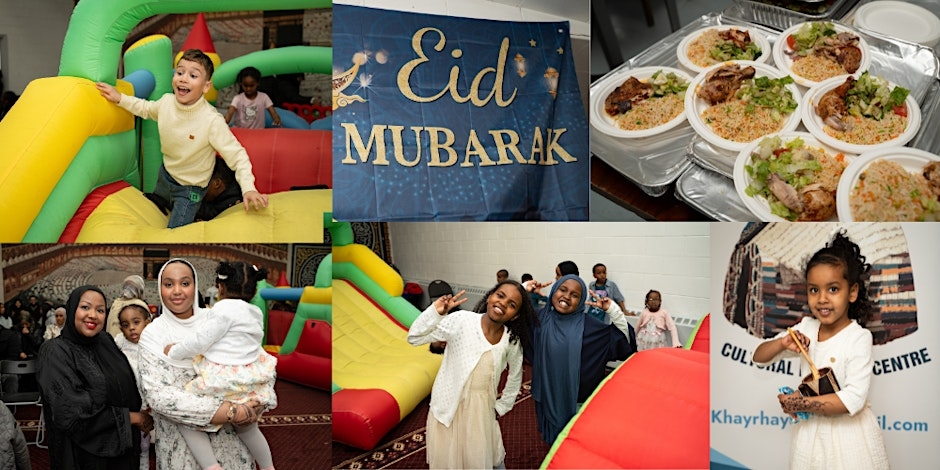
Many people say that tasting Somali holiday food during a wedding makes them feel like they are back in their homeland surrounding by loved ones. Ultimately Somali holiday food will always remain the true heartbeat of every family gathering because nothing connects people better than sharing a beautifully spiced homemade meal.