
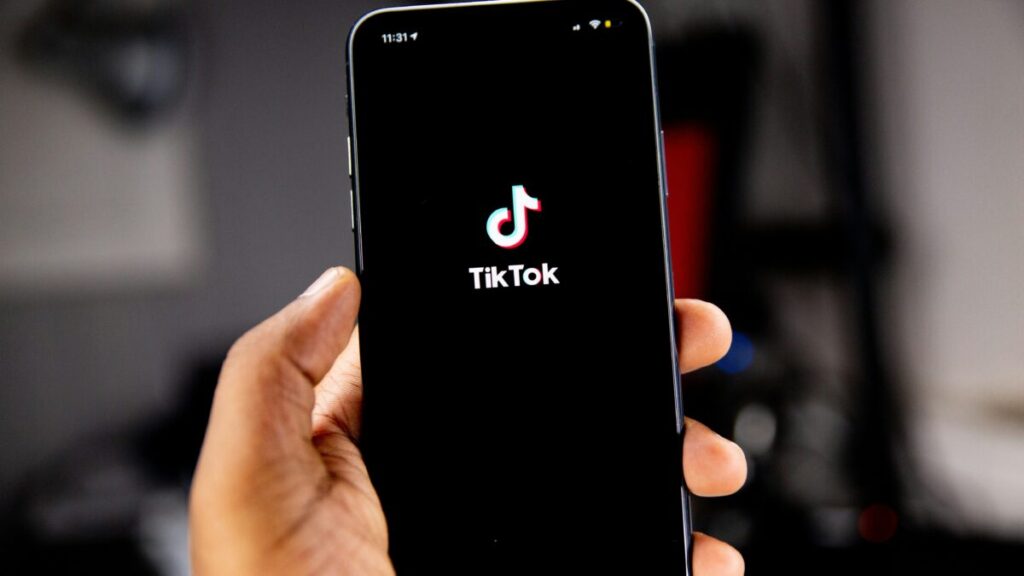
TikTok is doing far more than entertaining Somali audience—it is amplifying clannism and reshaping Somali identity politics.
What once existed in private clan assemblies has now gone viral, turning identity into a public performance and, at times, a political weapon.
Somali Identity Past vs. Present
Clan identity has always been central to Somali society, shaping politics, conflict resolution, and belonging. In pre-colonial and early post-independence Somalia, governance took place through “Shir”—traditional clan assemblies where elders debated and resolved disputes.
These spaces acted as filters of information and emotion, ensuring stability through moderation.
But with the collapse of the Somali state and the rise of the diaspora, social media—especially TikTok—has transformed these interactions.
Digital platforms have given rise to transnational clan identities, allowing young Somalis to express, defend, and even monetize their clan affiliations.
When Clannism Goes Digital
TikTok has rewritten the rules of Somali social order.
Once excluded from political spaces, young people and women now assert clan pride online by using flags, coded language, and poetry in livestreams.
One of the most visible phenomena is the rise of TikTok clan battles, where influencers from rival clans face off in livestream duels.
These digital battles attract thousands of viewers, and followers donate virtual coins to support their clan representatives.
What began as playful competition has evolved into monetized clan rivalry, with real-world implications. Some credible reports even suggest that TikTok donations were used to fund sides in local Somali conflicts, including the 2023 fighting in Laasanood.
3.9 Million Somali Users on TikTok
TikTok’s rapid spread across the Horn of Africa has been unprecedented.
Since 2020, it has become one of the most influential platforms among Somalis in Somalia, Kenya, Ethiopia, Djibouti, and the diaspora.
With an estimated 3.9 million users in Somalia alone, it now shapes how youth communicate and perceive Somali identity.
TikTok’s success lies in its accessibility and design.
Its “For You Page” allows even new users to go viral, while features like duets and stitches make interaction easy and playful.
At first, TikTok was seen as a cultural bridge—spreading Somali music, comedy, and traditions worldwide. But as the community grew, the app’s algorithmic power began feeding on the emotional charge of clan rivalry, rewarding divisive and polarizing content.
From Online Tension to Offline Consequences
TikTok thrives on engagement driven by emotion—anger, pride, and humor.
In Somalia, this dynamic means that clan-related videos are often pushed to the top because they spark strong reactions.
Influencers know that conflict gets clicks, and many deliberately exploit clan rivalry to boost their reach.
The impact goes beyond screens.
Some diaspora influencers have been accused of encouraging donations to fuel real-world conflicts. Offline, stereotypes and insults born on TikTok are now repeated by children in schools.
Somali Identity Torn Apart Due to TikTok
What was once taboo has become normalized.
As one participant in my study explained:
“TikTok has torn families apart. In the past, clannish behavior was despised—now everyone shows it proudly online.”
In a fragile state like Somalia, where governance is weak and trust is scarce, this digital polarization can easily spill into real-world violence.
Can TikTok Become a Force for Unity?
Despite these challenges, TikTok is not inherently destructive.
Many Somali creators use it to promote peace, culture, and shared Somali identity.
They post about Somali landscapes, music, and food, reminding audiences that belonging can transcend clan lines.
However, peace-oriented content rarely goes viral because it lacks the emotional intensity that the algorithm favors.
To make TikTok a healthier digital space that promote a better Somali identity, several steps are needed:
- Culturally informed moderation: TikTok must expand Somali-language moderation teams capable of detecting harmful slang, coded hate speech, and divisive hashtags.
- Digital literacy: Somali youth and communities need to be educated about emotional manipulation, online polarization, and misinformation.
- Collaborative leadership: Elders, civil society, and influencers should promote unity-focused narratives and reject hate-mongering figures.
A Mirror that Reshapes Somali Identity
TikTok has become a mirror of Somali society, reflecting both its deep divisions and its shared hopes.
The platform amplifies clannism by rewarding emotional engagement, yet it also offers a stage for cultural pride and peacebuilding.
The challenge for Somalis is not whether to abandon TikTok, but whether they can reclaim it—transforming it from a tool of division into a space for connection.
Ultimately, the question remains:
Will TikTok continue to deepen the fractures of Somali identity, or will it become a bridge toward a more united digital future?